
The Story
Why it exists.
The beginning
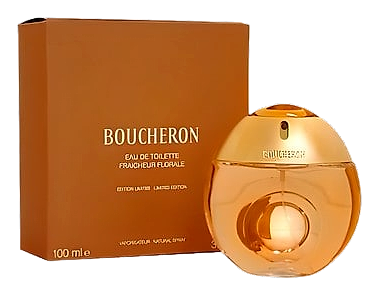
Jean-Pierre Béthouart crafted Fraîcheur Florale in 2004. The brief was clear: apply the house's approach to something with immediate brightness, but don't let that brightness be the whole story. Fraîcheur suggests coolness, airiness, departure. Florale promises bloom, fullness, arrival. Béthouart's challenge was making both true in a single composition. The perfumer built from a foundation that included civet and oakmoss in tandem with warm benzoin and tonka bean. These aren't decorative base notes, they're structural. They keep the fresh opening honest, prevent it from evaporating into atmospheric pleasantness. The fragrance needed weight beneath the brightness to justify the florale in its name.
What makes this fragrance composition interesting isn't any single ingredient, though tuberose and sandalwood certainly play their roles, but the honesty of the progression. The citrus-aromatic opening doesn't perform the usual trick of clearing the runway for florals to arrive gracefully. It arrives with some assertiveness. The orange blossom carries green, almost stem-like qualities alongside its sweetness. The basil is savory, not decorative. The civet in the base offers a quiet revelation. At low concentration, it doesn't read as animal, it reads as depth.
The evolution
The bergamot arrives first, with considerable presence. Pure citrus that could read as sharp if the other notes weren't waiting. Then the Amalfi lemon softens it, adds warmth that bergamot alone lacks. African orange blossom shifts the brightness toward something greener, less sweet. The basil makes its entrance as a savory herb that keeps the citrus honest. For the first hour, you're in aromatic-fresh territory. Clean, slightly unexpected. The hand-off to the heart is gradual. Tuberose asserts itself with presence. The geranium provides the counterbalance, a cool-green floral that prevents the tuberose from reading as purely tropical. Sandalwood and orris root add creaminess beneath. The middle phase develops with confidence. The drydown belongs to the benzoin and tonka bean, with civet lending skin-warmth that stays intimate rather than projecting.
Cultural impact
A fragrance that found its audience through genuine character. Those who discovered it appreciated the honesty: a floral that didn't apologize for being floral, a tuberose that arrived with structure beneath it. The fragrance offered presence without oriental heaviness, appealing to those drawn to white florals but wanting something with more substance than the typical interpretation.