The Story
Why it exists.
The beginning
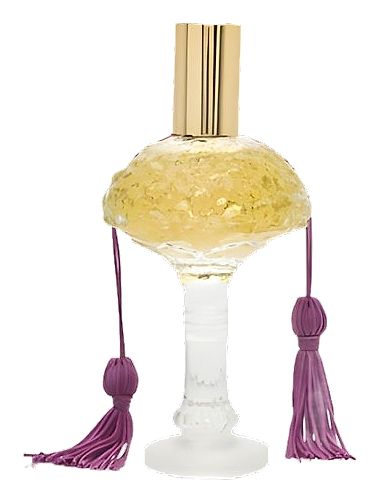
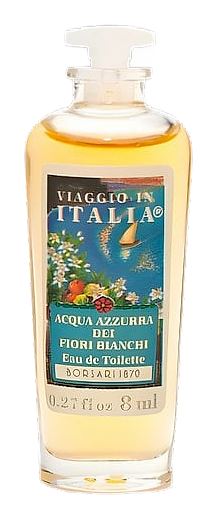
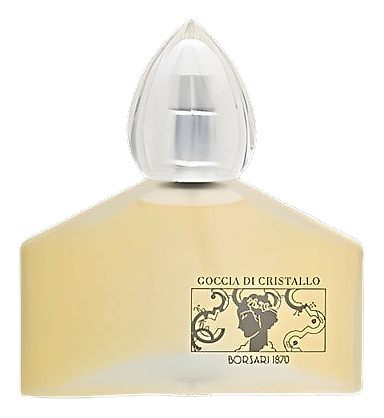
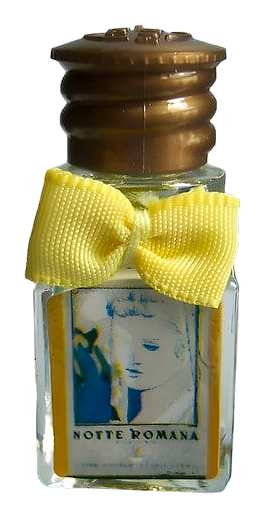
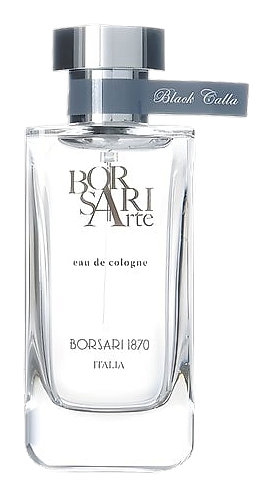
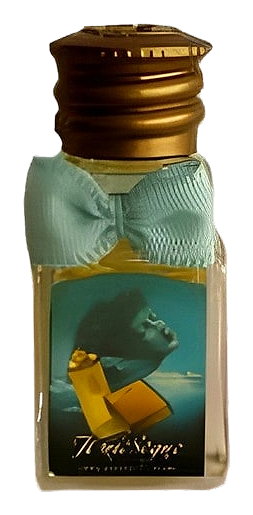
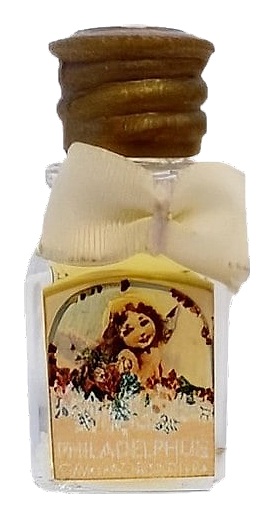
Philadelphus landed in 1970 from Borsari 1870, a Parma-based fragrance house whose catalog carries an unmistakable Italian character. The name borrows from the philadelphus shrub, a flowering plant whose white blossoms carry a particular kind of soft, honeyed sweetness. Borsari translated that bloom into a composition built on the white-flower theme, a category they handle with confidence and clarity. The fragrance leads with its namesake flower, letting that botanical identity carry the structure of the scent from the first spritz onward. It's a direct, uncomplicated white floral composition, straightforward in its intentions and specific in its references. It was never meant to be loud. It was meant to be correct.
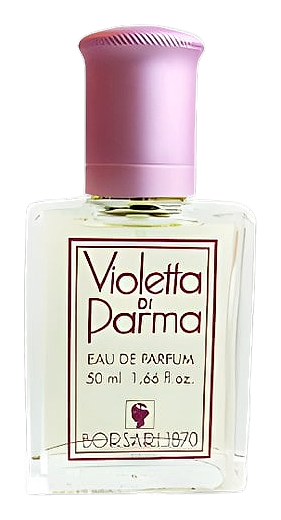
What makes Philadelphus worth a second look is its specific botanical focus inside a broader catalog of Italian floral compositions. Borsari's catalog leans heavily into regional Italian florals, from Violetta di Parma to Acqua di Tuberosa, and Philadelphus fits that lineage with its own particular white-flower point of view. The philadelphus reference grounds the composition in a specific named botanical, giving it a clear identity rather than a vague floral impression.
The evolution
Philadelphus opens with the brightness of a garden in late morning, a white-floral lift that carries something greener threading beneath the petals. That green note does the heavy lifting early. It keeps the florals from tipping into sweetness and gives the opening a clean, almost crisp edge that prevents the white blossom character from becoming cloying or overly powdery. The top notes present a fresh, bright face, taking the white blossom character and giving it a crisp, almost dewy quality in the first fifteen minutes. The heart softens after the first hour. The white florals round and warm, the composition settling into something more buttery and intimate, the petals softening into something closer to skin than to stem.
Cultural impact
Philadelphus sits inside Borsari's tradition of regional Italian florals, a family that includes Violetta di Parma and Acqua di Tuberosa. It's a composition that wears its Italian character openly and unapologetically, building on white-flower materials with a confidence that doesn't need modern tricks to land. The white-flower theme is treated with directness and clarity, a straightforward expression of the botanical at the heart of the name. The production status, apparently discontinued, means it doesn't show up in every shop window anymore, giving the composition a certain scarcity for those who come across it.