
The Story
Why it exists.
The beginning
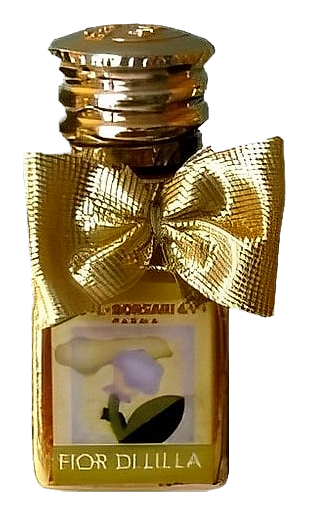
Fior di Lilla arrived in 1920, when Parma was already deep into its perfume-making century. The Borsari house had by then established itself as a proper perfumery with a working knowledge of how to build a focused composition. Fior di Lilla means "flower of the lily" in Italian, and the name says exactly what it does. There is no coded inspiration here, no hidden narrative. Just two lily forms, treated with the kind of restraint that comes from a house comfortable working in a narrow register. The two notes sit side by side, one bringing the green clarity of muguet, the other the warmer, fuller body of white lily, and neither tries to overtake the other. The resulting accord reads as a study in floral simplicity.
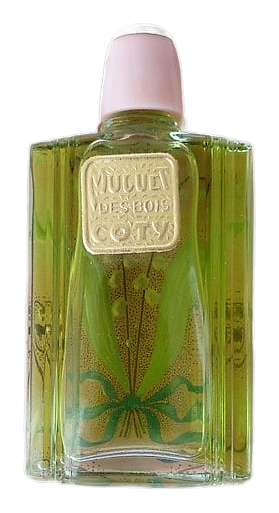
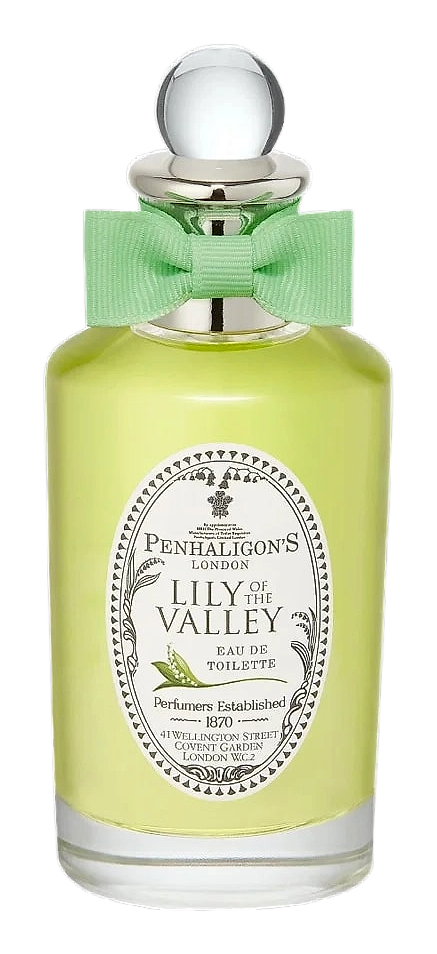
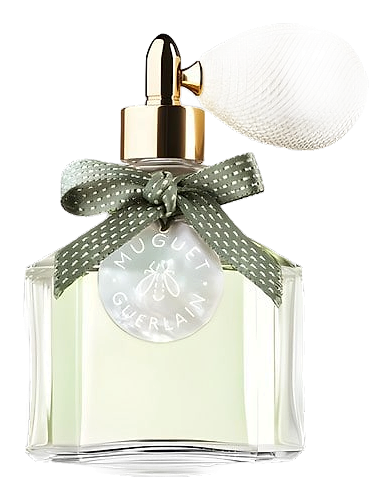
Lily of the valley brings the green, almost metallic crispness that defines the muguet tradition in Italian floral work. Lily itself contributes weight and warmth, a fuller-bodied floral that keeps the composition from reading as thin or cologne-like. Together they form a duet where neither note dominates. The green snap of the muguet keeps the white lily from turning too creamy, while the lily softens the bell-like sharpness of the lily of the valley into something rounder and more cushioned against the skin.
The evolution
The first minutes belong almost entirely to lily of the valley, green and bright, with a faint peppery edge that keeps the florals from going saccharine. The opening has a lift to it, an almost effervescent quality from the green notes that registers as cool, a little bright, almost like crushed stems just broken open. As the initial green settles, the fuller-bodied white lily begins to emerge from underneath, taking on more of the weight and rounding the green into something softer and more cushiony. The accord shifts into a classic soapy white floral that sits close to the skin rather than projecting outward. The two blooms trade places across the first half hour, with the muguet gradually handing off to the lily's warmer, more decadent facets.
Cultural impact
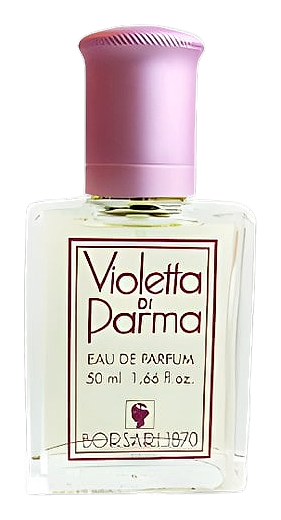
Fior di Lilla occupies a particular place within Borsari 1870's catalog, working from a restrained two-note logic that defines the house's approach to single-flower compositions. Its closest named peers within the house are Violetta di Parma and Bouquet di Violette, both building from the same kind of narrow focus, just two or three notes arranged with care rather than complexity. The simplicity of Fior di Lilla makes it feel almost like a sketch elevated to a finished piece, a study in what one flower can do when it's given the room to speak.