The Story
Why it exists.
The beginning
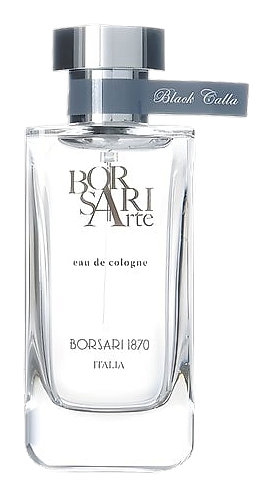
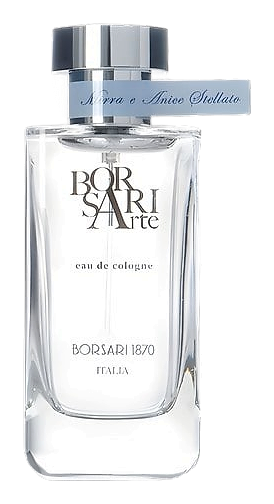
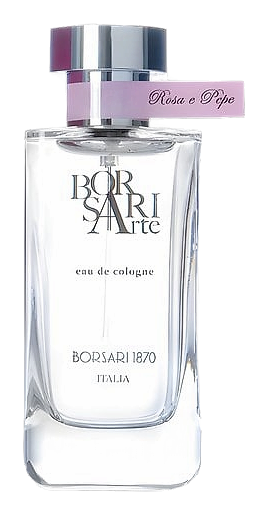
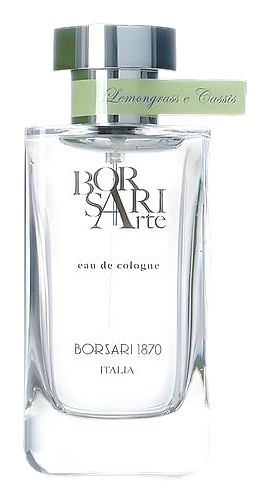
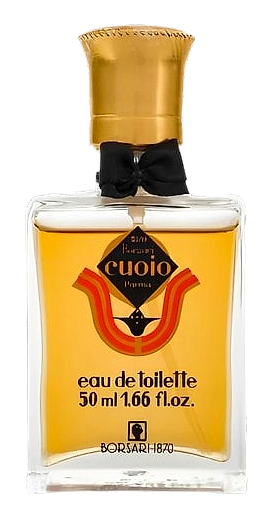
Borsari 1870 carries the weight of a name that suggests deep roots in Italian fragrance craft, with the numeric figure embedded in the brand itself hinting at a heritage stretching well beyond the modern era. The house built its identity around the supple richness of leather, treating it less as a literal material and more as an aromatic idea, something you can wear rather than touch. That conceptual leap from worked hide to bottled warmth is where the brand's personality lives, and it sets the tone for everything that followed. Cuoio, in particular, takes this philosophy to its most distilled point: the suggestion of saddle, glove, and library chair, captured entirely through scent.
Cuoio was first composed in 1933, a deliberately compact five-note structure: tobacco at the opening, sandalwood and patchouli at the heart, vetiver and musk in the drydown. The brief was simple, recreate the warmth of cured hide without using animal leather as a raw material, and let the tobacco leaf carry the illusion. On skin, the opening announces itself with a dry, slightly sweet tobacco that leans toward the cured side of the spectrum, less smoky cigar lounge and more pressed leaf aged in a wooden humidor.
The evolution
On skin, Cuoio opens with a quiet sweetness that doesn't quite announce itself as tobacco for the first few minutes. The leaf sits warm and slightly sugary, more reminiscent of a pouch of pipe tobacco than a cigarette, and there's a faint powdery edge that reads as the softness of cured leaf rather than its smoke. As the first half hour passes, the sandalwood arrives underneath, and the whole composition shifts from sweet-leaf to something richer and more grounded. The patchouli comes next, not the sharp green version but the damp, earthy kind that smells like the floor of an old workshop, and it pulls the tobacco down with it. By the two-hour mark, Cuoio has settled into its leather impression: warm, dry, faintly sweet, with that distinctive dusty warmth that old Italian leather goods carry. The vetiver and musk in the base do quiet work over the next six hours, keeping the composition close to the skin without losing definition.
Cultural impact
Cuoio wears like a piece of Italian leather that's been broken in for decades. The kind of person who reaches for it isn't shopping for compliments; they're shopping for themselves. It's a scent that holds its warmth close to the body rather than projecting across a dinner table, and that restraint is part of its appeal. On the opening, the tobacco does most of the talking, dry and curled-leaf rather than sweet or syrupy, setting a tone that's more old workshop than new boutique.