
The Story
Why it exists.
The beginning
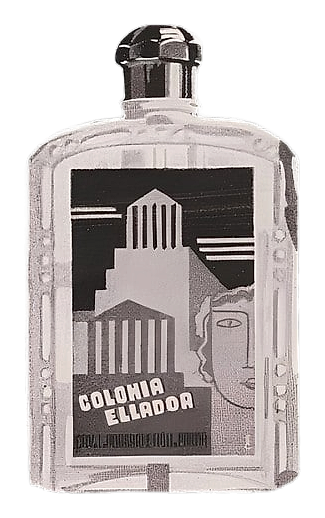
Colonia Ellador arrived in 1933, a Parma composition that set out to build a chypre for women. The structure follows the classic chypre brief, opening with a bright, citrus-led lift before pulling inward toward something floral and finally resting on a mossy, resinous base. It's the kind of formula that rewards patience, where each tier hands off cleanly to the next without any single note grabbing the room by force. Ellador reads as a deliberate exercise in women's footwear, sculpted rather than soft, composed rather than coy.
What makes Ellador worth knowing is how it works on the skin. This is a chypre made in the old register, mossy, earthy, quietly resinous, the kind of composition that rewards closer attention. The accord does not apologize for itself. There is no softening, no sugary cushion placed over the architecture to make it more palatable. The signature is the structure itself, the moss grounding the florals and a base that settles in without fuss. It wears close, which means it becomes a private thing, something the wearer catches in passing rather than something that announces from across a room.
The evolution
The first ten minutes are a clean, almost bracing citrus, the kind of opening that wakes the room before the rest of the composition has decided what it wants to be. Something herbal moves underneath, not yet identified, just a sense that more structure is on the way. Then the chypre architecture begins to show. A floral pass enters, restrained rather than opulent, more about what it adds to the skeleton than any solo performance, more support act than headline. By the second hour the moss has settled. The earthy, slightly bitter pull that defines the chypre accord takes the floor, and underneath it the base does its work without announcing itself, the way a foundation stays hidden in a well-built house. The drydown is where the fragrance earns its patience, a mossy close that keeps its composure and stays present without forcing attention.
Cultural impact
Colonia Ellador sits in a narrow category as a 1930s Italian chypre for women, a composition that earns a place in any conversation about early-20th-century chypres. For collectors interested in how the chypre accord translated outside its most familiar French context, it's worth knowing. The fragrance holds its own against era peers, distinguished by its Parma origin and the house's refusal to soften the structure for broader appeal. For anyone curious about how Italian perfumers interpreted a classically French accord, Ellador is a useful reference point, and it wears with the kind of composure that makes it a discovery worth pursuing.