
The Story
Why it exists.
The beginning
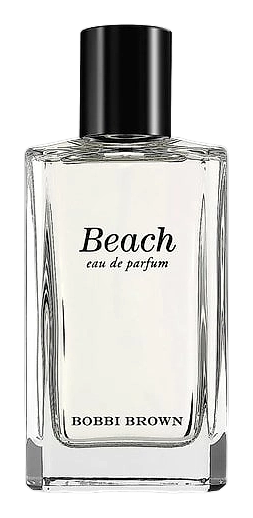
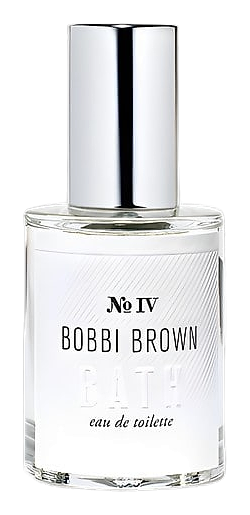
Bath by Bobbi Brown was conceived as a personal extension of the brand's clean aesthetic, less about glamour and more about the feeling of being freshly washed, soft, and unguarded. The fragrance carries a stripped-back, real-skin sensibility, offering something simple and uncomplicated in a category that often trends toward the elaborate. At its core, Bath is a straightforward floral built around a handful of well-chosen notes, designed to feel like a beauty product in the most literal sense. It rewards close attention and rewards being worn rather than simply displayed. The juice is light, almost translucent, and reads as watery and clean from the very first spray.
The name itself was doing a lot of the storytelling, and the juice was built to match that feeling of warm water, clean skin, and a quiet morning routine. Water hyacinth, a watery green note, anchors the top while neroli and orange blossom lend a soft, slightly bitter white floral character that reads as soap rather than as a bouquet. The interplay between these three notes is what gives Bath its quiet signature, a green-floral-soap accord that unfolds evenly rather than dramatically.
The evolution
Over the years, Bath has become a quiet staple rather than a blockbuster launch, and that low-key status has actually worked in its favor. The core idea, a soft neroli and orange blossom wash with a watery green edge from the water hyacinth, has stayed consistent, which gives the fragrance a kind of dependable charm. People who discovered it early often return to it, while those encountering it for the first time tend to find something that does not smell dated or locked to any particular moment. Its longevity is a known weak spot, but its polish and approachability have kept it on bathroom counters and in travel bags for years. The composition is built on a transparent green-floral accord that never overwhelms, and that quality makes it especially appealing in warmer weather when heavier fragrances can feel suffocating.
Cultural impact
Bath by Bobbi Brown quietly pushed in a direction that many fragrances of its kind had been moving away from, offering a stripped-back alternative to denser, heavier compositions. It treated the smell of clean skin as a legitimate scent category rather than a default, and that simple premise gave it a particular kind of staying power. The soapy neroli and white-floral template it leans on has become a recognizable thread in modern perfumery, appearing in body mists, shower gels, and a wide range of light florals designed to evoke freshness.