

Heritage
A house, in its own words
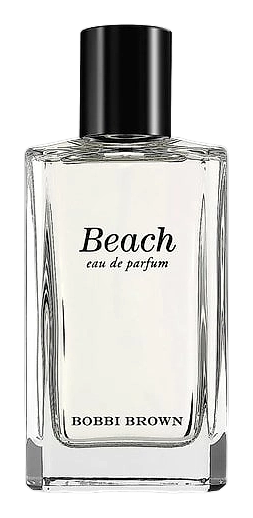
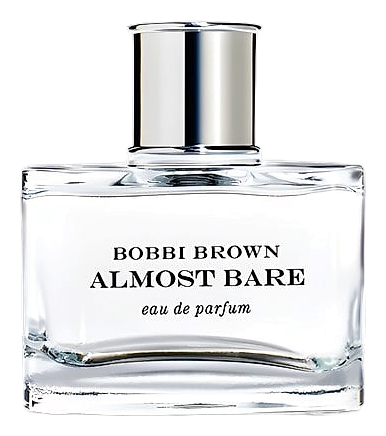
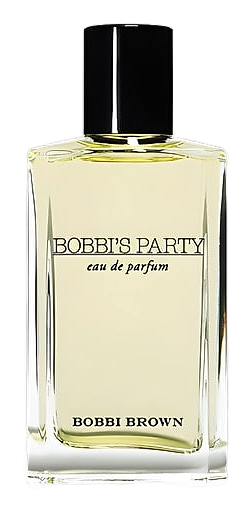
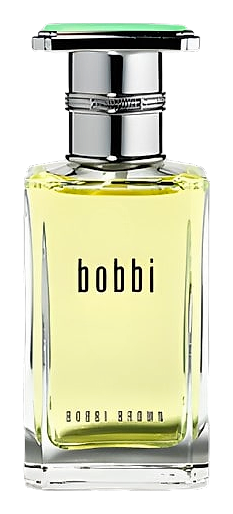
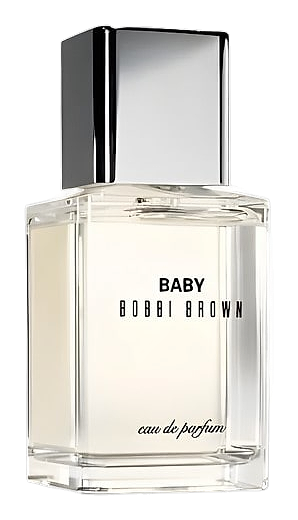
Bobbi Brown began her career as a professional makeup artist, working with clients including film director Oliver Stone before establishing her cosmetics company. She studied at the Gilbert School of Modeling and later earned her cosmetology license, building expertise that would inform her product development approach. Her first lipstick was reportedly created in a hotel room, where she melted and reformulated existing products to achieve a shade she envisioned. This hands-on, problem-solving approach characterized her entry into the beauty industry, which she reportedly built without outside venture funding. Brown expanded into fragrance with her debut scent Bobbi in 1998, followed by Baby in 2004, which WWD reported as her third fragrance, debuting in August. Subsequent releases included Bath in 2006, Almost Bare in 2008, Beach in 2009, Bobbi's Party in 2011, and Bed Perfume Oil in 2012. Beyond product development, Brown established herself as a published author, writing multiple books on beauty and makeup artistry, including at least one New York Times bestseller. Her company was eventually acquired by Estee Lauder in 2016, after which she departed and subsequently launched Jones Road Beauty in 2020. Brown viewed fragrance as a personal enhancement rather than a statement piece. Her approach favored subtlety and intimacy over projection and presence. Rather than chasing blockbuster trends, she created scents designed to feel like a natural extension of the wearer. This philosophy aligned with her broader beauty philosophy, which emphasized authenticity and understated confidence. She believed products should make people feel comfortable and genuine, never artificial or self-conscious. Her fragrance development process reportedly involved extensive testing with real women across different ages and skin types, ensuring each scent performed well in real-world conditions. Brown deliberately avoided creating overwhelming sillage, preferring scents that left a gentle, personal impression. Her work as a makeup artist informed her understanding of how fragrance interacts with individual body chemistry, a consideration that shaped her formulations. This client-focused sensibility distinguished her approach in an industry often driven by concept and marketing rather than practical wearability.