The Story
Why it exists.
The beginning
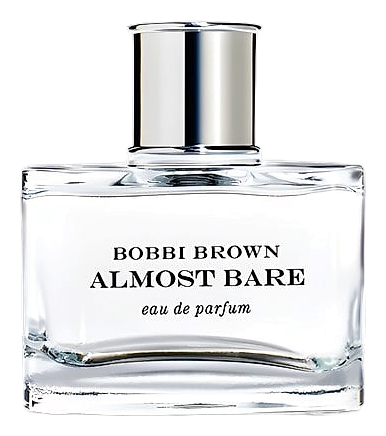
Bobbi Brown built her brand on a simple conviction: beauty should enhance, not transform. Her fragrance collection, launched beginning in 1998, applied that same philosophy, each scent designed to feel like a natural extension of the wearer, never artificial or self-conscious. Almost Bare, released in 2008, arrived at the height of a cultural moment when women were redefining what strength looked like. Not louder. Not more. Just exactly enough. The name says it all: confidence expressed through restraint. It's the fragrance for the woman who knows her own face, and trusts it.
The structure is deceptively simple, bergamot and violet leaf, jasmine and lily of the valley, musk and cedarwood. But the interplay is what makes it work. The green notes open bright and clean, giving the white florals something to rest against. Without that crispness underneath, the jasmine and lily of the valley would float into something too soft, too sweet. Instead, Almost Bare keeps its balance. The musk in the base doesn't dominate, it warms. The cedarwood doesn't shout, it grounds. What you get is a fragrance that smells like the concept behind it: present but not demanding.
The evolution
The opening hits bright and green. Bergamot and violet leaf arrive together, the citrus cutting through the green like morning sun through leaves. It's clean without being sterile. About an hour in, the florals take over, jasmine and lily of the valley soften the whole composition into something intimate. This is where the fragrance becomes personal, where it starts to smell like skin rather than perfume. By the third hour, the drydown arrives. Musk brings warmth, cedarwood adds quiet woody depth. The sillage stays close, you won't fill a room with Almost Bare, but the people standing next to you will notice. Most wearers report six to eight hours of longevity. It fades gently rather than disappearing abruptly, leaving just a whisper by evening.
Cultural impact
Almost Bare landed in 2008, a moment when fragrance culture was shifting. The blockbusters of the era leaned heavy, gourmands, ambers, projections that announced themselves across rooms. Almost Bare went the other direction. Its fresh-floral-green character fit a growing appetite for something refined and professional, appealing to women who wanted to smell put-together without broadcasting it.