The Story
Why it exists.
The beginning
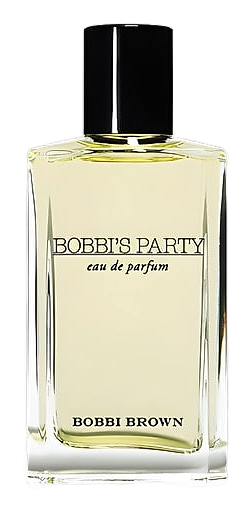
The name says party, but Bobbi Brown's interpretation runs cooler than expected. Launched in 2011, Bobbi's Party was designed for the holiday season, that specific window when everything feels slightly more deliberate. More presents to wrap. More dinners to host. More reasons to dress up, even if it's just for yourself. The fragrance reflects this: structured enough for a formal occasion, intimate enough for a quiet evening at home.
What makes this composition work is the tension between its florals and its base. Violet leaf is sharp, almost green, with a quality that reads as ozonic on first spray. Rose softens it but doesn't fully tame it. The sandalwood underneath does the real work: it pulls everything inward, away from projection, toward the wearer's own warmth. This is a fragrance that rewards proximity over presence.
The evolution
The opening hits bright and immediate, violet leaf cutting through like cold air on a December morning. Within minutes, rose arrives, lush but restrained, and the sandalwood begins its slow rise from below. By the second hour, the composition has settled into something powdery and close, the kind of scent you catch when someone leans in to speak. It doesn't project so much as exhale. Four to six hours later, you're left with a faint sandalwood warmth, clean, like fabric dried in winter air.
Cultural impact
Bobbi's Party occupies a specific corner of the market, the holiday fragrance that doesn't scream holiday. Unlike blockbuster seasonal releases with their gourmand excess, this one leans into classic femininity and quiet sophistication. It's been in continuous production since 2011, which says something about its staying power: it found its audience and kept them.