The Story
Why it exists.
The beginning
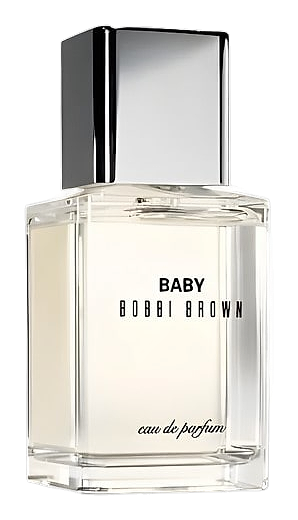
In 2004, Bobbi Brown introduced Baby as her third fragrance, inspired by the intimate sensation of a fresh start. The name says it plainly, not a fantasy, not a persona. Something new. Something clean. Something that feels like the first hour of a morning that belongs only to you. Brown built her entire brand around the idea that beauty products should enhance rather than transform, and Baby embodies that philosophy without apology. It's a fragrance about presence, not projection.
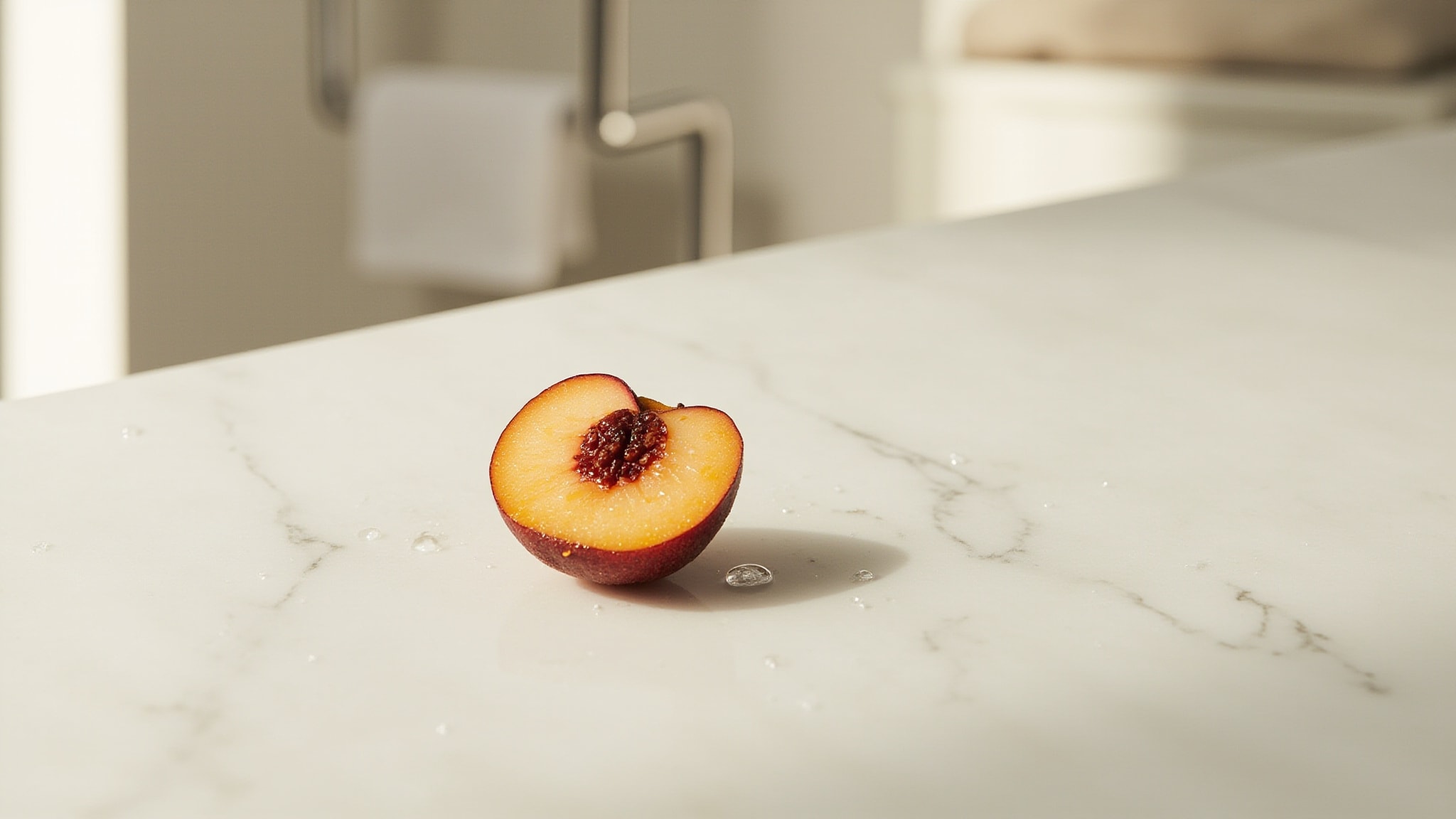
The note structure keeps things grounded in softness. Melon and peach open with a watery brightness that recalls dew on skin rather than fruit salad. The heart, jasmine and orange blossom, is where most fragrances announce themselves. Here, it does the opposite. It breathes. It stays close. The base introduces a quiet warmth through vanilla and spice, but even that refuses to project. It's the olfactory equivalent of someone who whispers and somehow still holds your attention.
The evolution
The opening arrives quickly, melon and peach hit together, creating something between a farmers market and morning skin. Within minutes, the fruitiness recedes as jasmine takes over, and the orange blossom adds a bitter-green edge that keeps it from going saccharine. The drydown is where Baby earns its reputation. Vanilla arrives slowly, almost reluctantly, blending with spice into something that smells like warmth rather than sweetness. On fabric, it lingers for hours. On skin, expect 6-8 hours of quiet presence, never loud, never gone, just there.
Cultural impact
Baby arrived in 2004 as part of a fragrance landscape dominated by loud, projecting scents. It offered something quieter, a floral that preferred closeness to presence, designed for the wearer rather than the room. Those who found it tend to keep finding it, returning to its soft, intimate character.