The Story
Why it exists.
The beginning
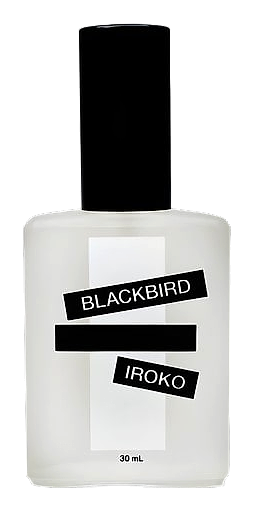
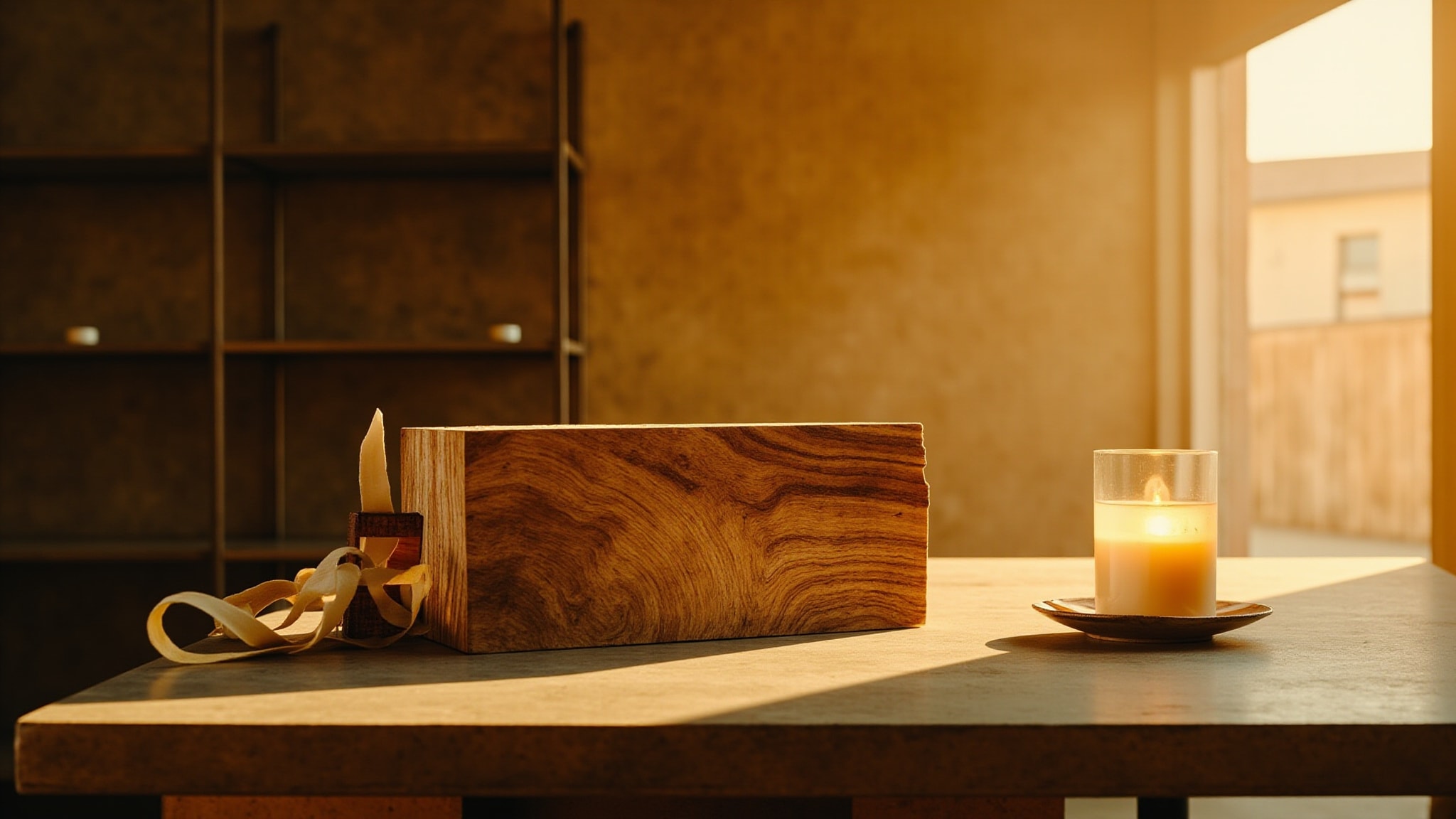
Iroko launched in 2013 under Blackbird, with the composition attributed to perfumer Aaron Way. The fragrance takes its name from the African Iroko tree, a hardwood sometimes traded as African Teak, though it shares no botanical relation to true teak. Iroko or African Teak is the trade name for two species of hardwood from the genus Milicia, and the wood has a long history in furniture making, flooring, and construction across West Africa, prized for its density and resistance to decay. The name carries weight in Yoruba and other West African traditions, where the tree is often associated with spiritual presence, and fallen trunks are sometimes left undisturbed by those who work the forest.
What makes Iroko structurally unusual is how little it does beyond wood. There is no citrus lift, no resinous pull, no smoky edge. The accord structure reads woody, powdery, warm spicy, aromatic, and balsamic, which suggests there's more nuance in the woods than a simple linear drydown would imply. Teak brings a dry, almost architectural grain. Cedar sharpens and adds resin without going frankincense. Sandalwood does the soft, creamy work that makes the composition wearable rather than austere. On skin, the three woods don't compete.
The evolution
Iroko opens on skin the way a well-built room smells: cedar and teak, dry, slightly resinous, with a faint green edge from the cedar that reads almost like pencil shavings. The sandalwood shows within the first ten minutes, and the composition softens without losing its grain. By the thirty-minute mark the woods have settled into a close, creamy warmth. The teak recedes first, leaving cedar and sandalwood to carry the rest of the wear. The balsamic warmth becomes more apparent in the second hour, pulling the drydown toward something that smells faintly like warm wood furniture in a closed room. There is no sharp top note to lose, no base note to chase, just a steady, honest woody arc. The composition holds its shape rather than evolving dramatically, and that consistency is part of what makes it so easy to wear through a full day.
Cultural impact
Iroko sits in an unusual position in the modern woody category. It's a composition built entirely from wood, with no smoke, no oud, no iris, no shortcuts into territory other houses have already mapped. Three woods, arranged with a restraint that leaves the blend feeling honest rather than sparse. It tends to attract the kind of wearer who treats fragrance as private vocabulary rather than social statement, someone more interested in what a scent does on their own skin than in how it reads across a room. The fragrance has been noted as discontinued by fragrance databases, a status that has changed how it circulates in the community.