The Heritage
The Story of Blackbird
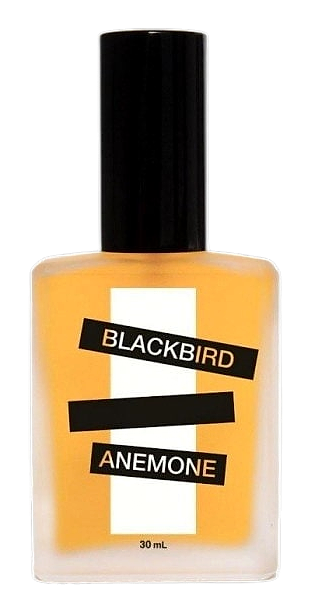
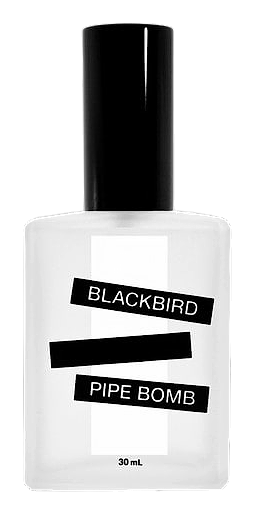
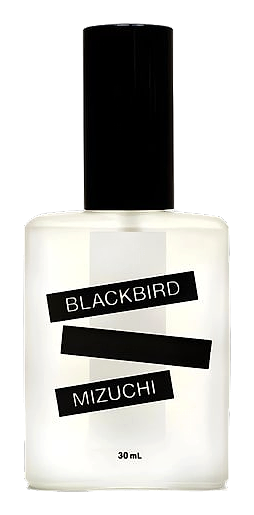
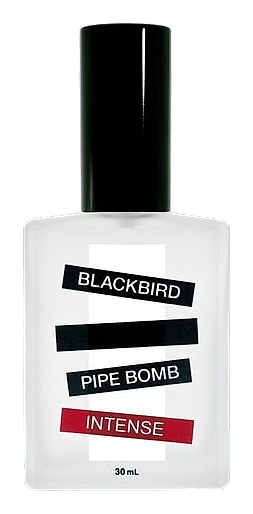
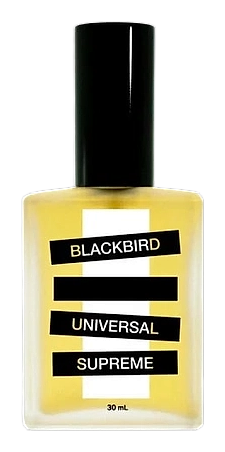
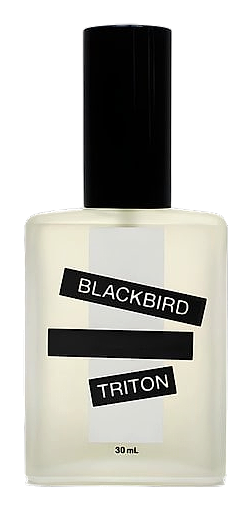
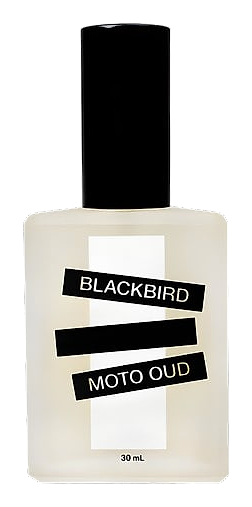
Blackbird is a fragrance design house that emerged in 2004 and has since built a niche around both perfume and incense. The label offers a catalogue that ranges from the smoky intensity of Pipe Bomb (2012) to the floral nuance of Anemone (2016) and the woody depth of Moto Oud (2012). Its creations are distributed in specialty boutiques and online platforms, reaching collectors who value experimental scent structures. Blackbird’s identity rests on a blend of artistic curiosity and a commitment to small‑batch production, which keeps each launch distinct and conversation‑worthy.
Heritage
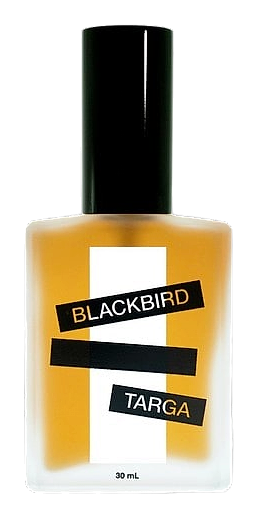
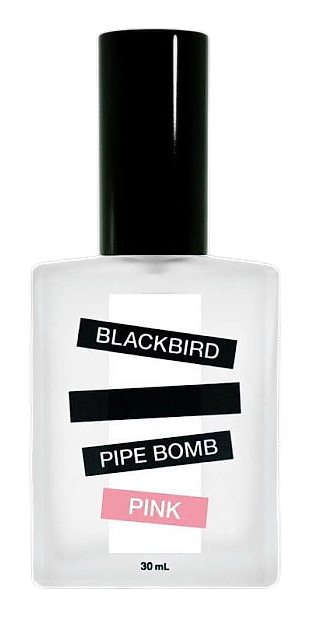
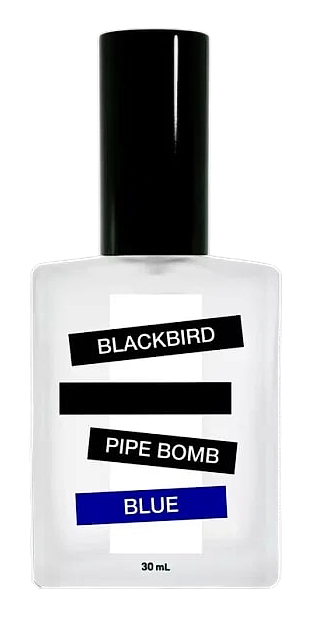
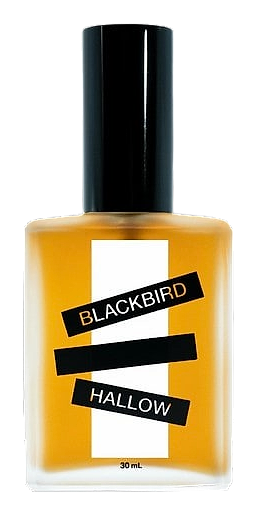
The story of Blackbird begins with Nicole, a designer who opened a high‑end men’s fashion boutique in 2004. According to the brand’s press release, the shop quickly attracted a clientele interested in scent as an extension of personal style. By 2009 the boutique began stocking a limited selection of incense, a move that signaled a broader ambition. In 2012 Blackbird released its first perfume, Pipe Bomb, a composition that combined smoky accords with a bright citrus top. The same year Moto Oud arrived, marking the house’s early foray into oud‑centric territory. Over the next few years the label expanded its portfolio with Targa (2015) and Anemone (2016), each noted for a distinct narrative approach. 2020 saw the launch of Hallow V.2, a reinterpretation of an earlier incense line, and Pipe Bomb Blue, a fresher variant of the original. Throughout its evolution Blackbird has maintained a dual focus on perfume and incense, a strategy highlighted in a ZGO Perfumery profile that describes the house as “specializing in perfumes and incense.” The brand’s distribution has grown from a single storefront to a network of boutique partners across Europe and North America, a trajectory confirmed by multiple independent listings. While the company’s headquarters are not publicly disclosed, several social‑media posts associate the brand with Ghanaian creators, suggesting a collaborative link to the West African fragrance community. Today Blackbird continues to release limited editions, often accompanied by hand‑crafted packaging, reinforcing its reputation as a niche house that values both scent and presentation.
Craftsmanship
Production at Blackbird follows a small‑batch model that allows for close monitoring of each stage. According to the brand’s press page, raw materials are sourced from a mix of established suppliers in France, Italy, and the Middle East, as well as from niche farms in Southeast Asia. The house reportedly verifies each ingredient’s provenance, seeking out growers who practice sustainable harvesting. Formulations are developed in a private studio where Nicole works alongside freelance perfumers; the process involves iterative testing on blotters and skin to fine‑tune balance. Once a formula is approved, the mixture is transferred to stainless‑steel vats for maceration, a period that can range from a few weeks to several months depending on the composition. Quality checks include gas‑chromatography analysis to confirm concentration levels and sensory panels that evaluate longevity, projection, and harmony. Bottling is performed by hand, with each bottle inspected for seal integrity and visual consistency. For incense, the brand blends natural resins, woods, and aromatic herbs, then presses the mixture into sticks or cones that dry under controlled humidity. Packaging materials are chosen for durability and aesthetic coherence, often featuring recyclable glass and metal caps. The overall approach reflects a commitment to craftsmanship that values precision as much as creative expression.
Design Language
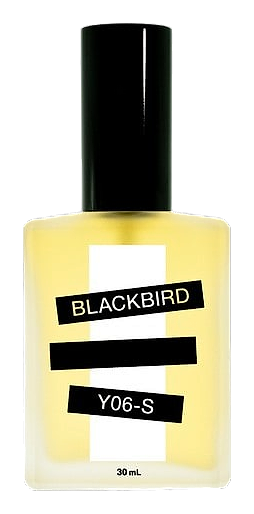
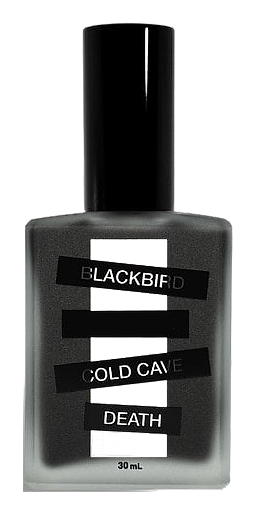
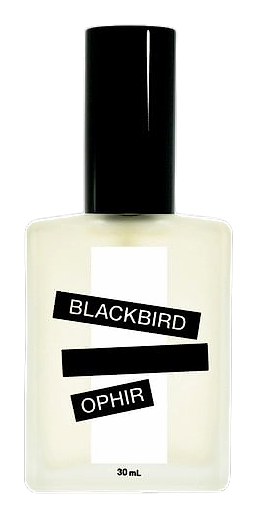
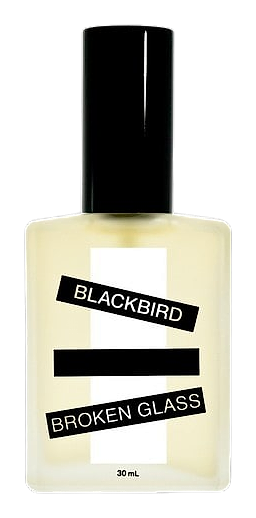
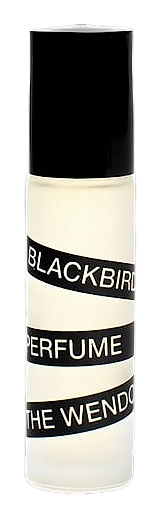
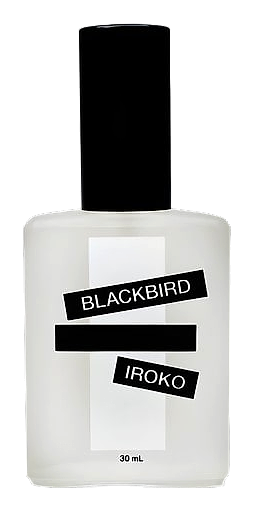
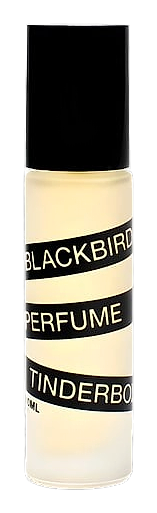
Visually, Blackbird adopts a minimalist palette that leans heavily on black, charcoal, and muted metallic accents. Bottle designs typically feature sleek, cylindrical or square silhouettes with clean lines, allowing the scent to speak without visual distraction. Labels are understated, using a simple sans‑serif typeface and a small embossed logo that hints at the brand’s name without overt branding. The incense line follows a similar aesthetic, with wooden sticks bound in dark‑toned paper and sealed in matte black boxes. Marketing imagery often portrays the products in stark, high‑contrast settings, emphasizing texture and form. This visual restraint aligns with the house’s philosophy of letting scent lead the experience. In retail environments, Blackbird’s displays are arranged to highlight the tactile qualities of the bottles and the subtle glow of the incense when lit, creating an immersive atmosphere that invites contemplation. The overall brand image projects confidence and quiet sophistication, appealing to collectors who appreciate both olfactory depth and design elegance.
Philosophy
Blackbird’s creative vision emphasizes narrative scent‑craft rather than trend following. In interviews the founder describes each fragrance as a story fragment, intended to evoke a specific memory or atmosphere. The house prioritizes authenticity, opting for ingredient pairings that challenge conventional classifications. Sustainability appears in the brand’s statements, with a preference for responsibly sourced raw materials and a willingness to work with small‑scale growers. Blackbird also treats incense as an extension of its perfume work, believing that the ritual of burning can deepen a wearer’s connection to scent. The label’s values include artistic independence, meticulous quality control, and a collaborative spirit that invites input from perfumers, designers, and even customers who test early samples. This philosophy translates into a product line that balances bold experimentation with a respect for classic olfactory structures, offering both avant‑garde and approachable options.
Key Milestones
2004
Nicole opens a high‑end men’s fashion boutique, laying the groundwork for future fragrance work.
2012
Launch of Pipe Bomb, Blackbird’s first perfume, followed by Moto Oud later the same year.
2015
Release of Targa, expanding the house’s portfolio into aromatic‑floral territory.
2016
Anemone debuts, showcasing a softer, garden‑inspired composition.
2020
Hallow V.2 and Pipe Bomb Blue are introduced, marking a renewed focus on incense and variant scents.
2023
Blackbird reports distribution through boutique partners across Europe and North America, confirming its international reach.
At a Glance
Brand profile snapshot
Origin
Ghana
Founded
2004
Heritage
22
Years active
Collection
1
Fragrances released
Avg Rating
3.7
Community sentiment
Release Rhythm


