    Brand Profile

    Scent of Africa is a Ghana‑based fine‑fragrance house that translates the continent’s botanical wealth into contemporary perfume. Since its…More

    Ghana·Est. 2022·Site

    3.3

    Rating

    8
    Bellua by Scent Of Africa
    3.3

    Bellua

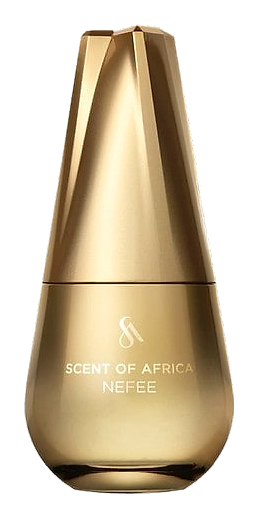
    Nefee by Scent Of Africa
    Best Seller
    4.0

    Nefee

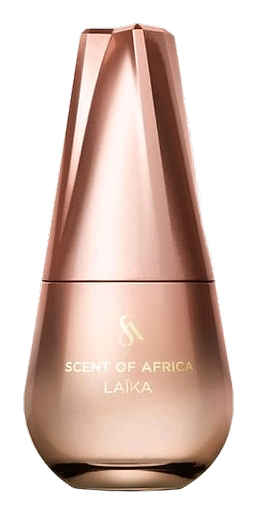
    Laïka by Scent Of Africa
    Best Seller
    4.0

    Laïka

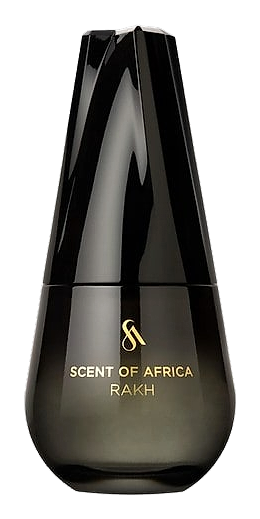
    Rakh by Scent Of Africa
    Best Seller
    3.7

    Rakh

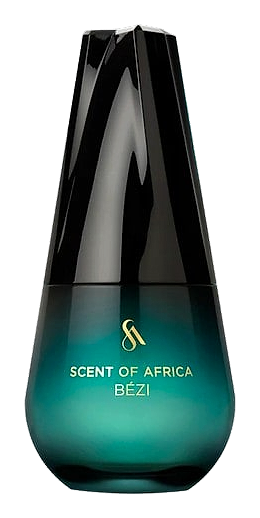
    Bézi by Scent Of Africa
    3.4

    Bézi

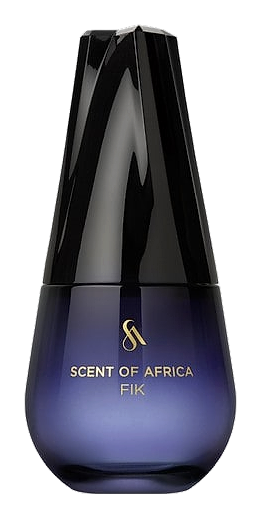
    FIK by Scent Of Africa
    3.2

    FIK

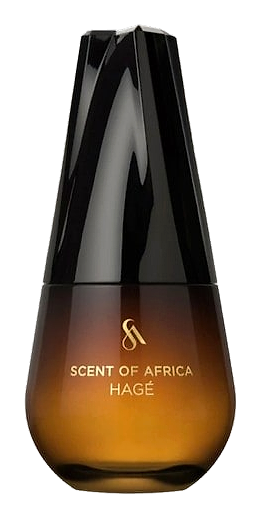
    Hagé by Scent Of Africa
    3.0

    Hagé

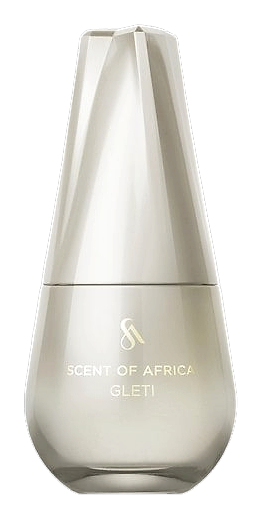
    Gleti by Scent Of Africa

    Gleti

    The Heritage

    The Story of Scent Of Africa

    Scent of Africa is a Ghana‑based fine‑fragrance house that translates the continent’s botanical wealth into contemporary perfume. Since its public relaunch the brand has introduced a line of scents such as Laïka (2022), Nefee (2022), Bellua (2023), Rakh (2022), Bézi (2023), FIK (2024) and Gleti (2024). Each composition blends locally sourced resins, woods and spices with a modern olfactory structure, offering collectors a clear sense of place without relying on generic luxury language.

    Heritage

    The house was founded by Tanal Ghandour, a Ghanaian entrepreneur who grew up surrounded by the aromas of West African markets and rural farms. In interviews Ghandour explains that the brand emerged from a desire to give African raw materials a dedicated platform after years of seeing them used only as accent notes in overseas houses. The first public launch occurred in 2022 with the release of Laïka, a fragrance that highlighted Ghanaian palm wine resin and coastal ambergris alternatives. Within the same year the line expanded to include Nefee and Rakh, each drawing on distinct regional botanicals such as shea butter husk and kola nut. By 2023 the portfolio grew with Bellua and Bézi, marking the brand’s commitment to a seasonal cadence that mirrors the agricultural calendar of Ghana. In 2024 Scent of Africa introduced FIK and Gleti, two scents that were presented at the Accra International Fashion Week and received coverage in IRK Magazine, where Ghandour reiterated the mission to “celebrate African soul through scent.” The brand’s evolution has been documented in several independent outlets, including a feature on the NY Product Design Awards website that notes the house’s local production model. While the company remains privately held, its trajectory reflects a broader movement of African artisans establishing niche perfume houses that operate from source to bottle within their home countries.

    Craftsmanship

    Production takes place in a modest laboratory in Accra, where a team of trained chemists works alongside local artisans. Ingredients are harvested during peak seasons and delivered to the facility within 48 hours to preserve freshness. For example, the resin used in Bellua is collected from wild mahogany trees in the Ashanti region, then cold‑pressed to retain its volatile compounds. Extraction methods combine traditional steam distillation for essential oils with modern solvent‑free CO₂ extraction for delicate absolutes, reducing environmental impact. Each batch is hand‑filled in glass bottles that have been pre‑tested for inertness, ensuring no unwanted interaction with the perfume oil. Quality control includes a three‑stage sensory evaluation: a senior perfumer checks the olfactory balance, a chemist verifies the concentration of key aroma molecules, and a cultural advisor confirms that the scent’s narrative aligns with the intended African reference. The brand’s commitment to small‑batch production means that each launch typically runs a limited edition of 500 to 1,000 units, allowing for meticulous oversight from raw material to final packaging.

    Design Language

    Visually, Scent of Africa draws on the bold geometry of West African textiles and the muted tones of the savanna landscape. Bottles are crafted from clear, thick glass that showcases the amber hue of the perfume, while the caps are finished in brushed brass, echoing the metalwork of Ghanaian jewelry. Labels feature hand‑drawn patterns inspired by kente cloth, rendered in deep indigo and ochre. The brand’s packaging uses recycled cardboard printed with soy‑based inks, reinforcing its sustainability ethos. Marketing imagery often places the bottles against natural backdrops—golden dunes, rain‑soaked forests, or bustling market stalls—allowing the scent to be visualized as an extension of its source environment. This cohesive visual language has been highlighted in the NY Product Design Awards entry, where judges praised the harmony between the product’s tactile feel and its cultural references.

    Philosophy

    Scent of Africa approaches perfumery as a dialogue between terroir and narrative. The brand’s creative brief asks each perfumer to start with a single indigenous ingredient—whether it is the smoky bark of the African mahogany, the bright citrus of the Ghanaian orange, or the earthy musk of the West African baobab—and build a structure that respects the material’s natural character. Sustainability is woven into this process; sourcing contracts prioritize smallholder farms that practice intercropping and avoid synthetic pesticides. The house also invests in community workshops that teach traditional extraction techniques, ensuring that knowledge passes to the next generation. Transparency guides the brand’s communication: ingredient lists are published on the website, and each launch is accompanied by a short essay that situates the scent within a specific cultural or ecological context. This emphasis on story‑driven composition aims to give wearers a sense of belonging rather than simply a fleeting fragrance trend.

    Key Milestones

    2017

    Maison Yusif, Ghana's first certified niche fragrance house, is founded by Yusif Meizongo Jnr, establishing a precedent for locally made African perfume.

    2022

    Scent of Africa launches its debut fragrance Laïka, marking the brand’s entry into the niche market with a focus on indigenous ingredients.

    2022

    Nefee and Rakh are released, expanding the portfolio and demonstrating the brand’s seasonal development strategy.

    2023

    Bellua and Bézi debut, receiving coverage in regional fashion events and solidifying the house’s reputation for consistent innovation.

    2024

    FIK and Gleti launch, featured in IRK Magazine and presented at Accra International Fashion Week, highlighting the brand’s growing cultural influence.

    2024

    Scent of Africa is recognized by the NY Product Design Awards for its locally produced, sustainably packaged fragrance line.

    At a Glance

    Brand profile snapshot

    Origin

    Ghana

    Founded

    2022

    Heritage

    4

    Years active

    Collection

    1

    Fragrances released

    Avg Rating

    3.3

    Community sentiment

    Release Rhythm

    2024
    2
    2023
    2
    2022
    4
    scentofafrica.com

    Did You Know?

    Interesting Facts

    Distinctive details and defining moments that shape the house personality.

    01

    The brand sources mahogany resin directly from smallholder farms in the Ashanti region, a practice rarely documented in mainstream perfume supply chains.

    02

    Scent of Africa’s bottle caps are made from reclaimed brass sourced from Ghanaian artisanal metal workshops.

    03

    Each fragrance launch is accompanied by a short essay that links the scent to a specific Ghanaian cultural practice or ecological zone.

    04

    The house operates a community training program that teaches traditional extraction methods to young farmers, preserving intangible heritage while ensuring supply continuity.