The Story
Why it exists.
The beginning
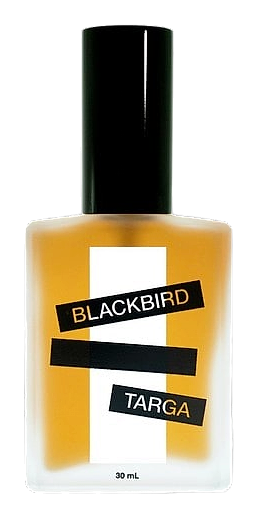
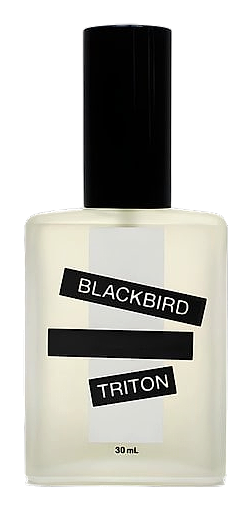
Triton. Named for the frozen moon of Neptune, which takes its name from the half-fish messenger of the sea. The irony is deliberate. This isn't ocean. This is what lies beyond it. Neptune's moon Triton is one of the coldest objects in the solar system. Its surface a crust of frozen nitrogen, its geysers erupting into space. Beautiful. Unsurvivable. The kind of cold you can only appreciate from a distance. Blackbird tasked perfumer Aaron Way with that translation. Not to recreate the moon. To recreate the experience of observing it. The beauty of a landscape too hostile to inhabit, witnessed from somewhere warm. The result is a fragrance that opens cold and never fully relents. But cold isn't the whole story. Underneath, amber and cedar and resin hold something almost gentle. That's the warmth. That's the enclosure you're standing in while the geysers freeze six inches from your face.
What makes Triton unusual is the tension between its opening and its base. The aldehydes give it a metallic, almost champagne-like coldness on first spray. Bright and sharp enough to feel like the moment you step outside into freezing air. Violet leaf and iris keep the florals cool and watery, not sweet. Carrot seed adds an unexpected mineral-earthiness that most wearers either love or can't quite place. Then the incense, vetiver, and styrax arrive and pull everything down into something dry, smoky, and grounded. The real skill is in what Aaron Way chose not to do. No vanilla. No ambergris. No warmth in the top. The powder comes from the iris, not from sweet florals. The warmth at the end is dry, not gourmand.
The evolution
The aldehydes arrive first. Fast, bright, cold. A mineral fizz that hits the nostrils like the smell of snow before you've adjusted to it. Fifteen minutes, maybe less, then something softer moves in underneath. Violet leaf and iris take over the first hour. The coldness doesn't disappear. It softens. Becomes a background hum. The powdery florals push forward, quiet and clean, almost waxy. Carrot seed stays low throughout this phase, adding an earthy mineral note that most people can't identify but most people remember. By hour two, the incense emerges. Brisk and dry. Vetiver cuts through with something grassy and sharp. Black pepper adds a quick, clean spice that doesn't linger. The aldehydic sparkle is gone now. What replaces it feels like a different fragrance. The drydown settles into powdery amber, vetiver, and cedar. Warm spices fade. The styrax adds a faint smoke. Mimosa keeps everything slightly sweet in a way that feels like distance, not comfort. On fabric, this phase can outlast the skin by several hours. The cedar and amber hold.
Cultural impact
Triton occupies a quieter corner of niche perfumery. It's not a crowd-pleaser and doesn't try to be. The aldehydic-iris combination puts it in conversation with a specific tradition of cold, mineral, powder-forward compositions, though its Ghana-originated perspective gives it a different cultural register than its European counterparts. Collectors who track Blackbird's work tend to know this one. It's not the house's most discussed release, but among those who connect with it, the response is consistent: it smells like nothing else they're wearing.