The Story
Why it exists.
The beginning
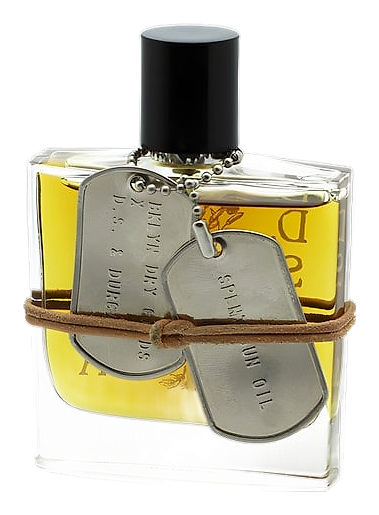
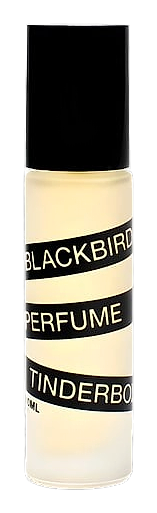
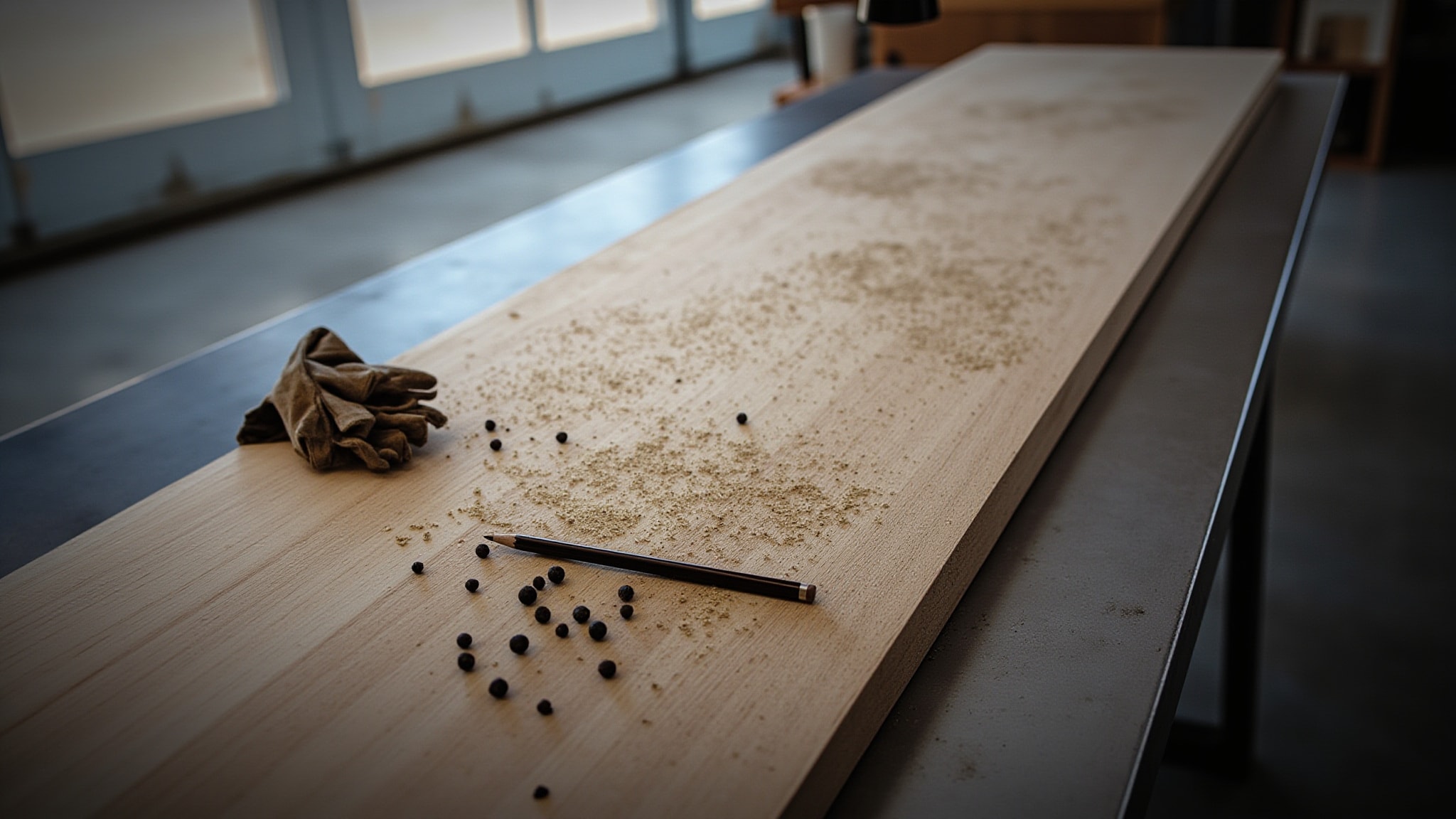
Tinderbox was released in 2012. The name says what it means. Where Pipe Bomb went smoky and Moto Oud went resinous, Tinderbox went to the workshop. The brand framed it in terms of the Pacific Northwest and 'manual labor laden with hammers, saws, screwdrivers and nails.' Not a perfume about nostalgia. A perfume about fresh-cut cedar and the smell of friction against metal. The composition leans into a textural question, how wood, steel, and heat read on skin when you skip the usual softening notes. There is no amber cushion here, no vanilla rounding, no gourmand undertow to make the cedar approachable. Instead the formula lets the raw materials carry the whole weight of the scent, trusting that the snap of pepper and the cold click of metal will do the talking.
The pepper at the top does the work of citrus in a brighter composition, snapping attention. Then pepper and metallic notes take over the heart, creating this cool, almost industrial effect that smells less like a forest and more like a lumber yard in the cold. The cedar in the base is clean, dry, and structural. No sweetness to round the edges. The pepper reads sharp and almost volatile at first, a cracked-corn texture that stings the nostrils before settling into something warmer and rounder.
The evolution
The opening belongs to the pepper, sharp and immediate, almost like pepper oil smeared on a warm wrist. It does not soften. It just hands off. The metallic accord surfaces and becomes the most surprising phase of the whole wear, a cold iron tang that feels borrowed from a completely different bottle, something more mineral, more austere. The cedar arrives to meet it and the two settle into a dry, sawdust-like accord that clings close to skin. This is not a fragrance that throws a cloud. It stays intimate, reading as a skin scent through much of the wear, present but never loud. The transition from pepper to metal to wood happens gradually, each phase handing off cleanly to the next rather than crashing into it. On clothing the next morning, the cedar is still there, faded but unmistakable, like a workshop that got aired out.
Cultural impact
Tinderbox occupies an odd corner of the niche world. It is a cedar composition that refuses to be cozy, a release that skips the usual amber and musk scaffolding. It sits closer to the material-experimental end of niche, alongside compositions that treat skin as a surface rather than a mood. The fragrance reads as cold utility rather than warmth, and that alone sets it apart from most woody releases in the niche catalog. Most cedar scents soften their wood with vanilla, tonka, or a sandalwood cream. Tinderbox refuses all of that, keeping the wood dry and the whole composition austere.