The Story
Why it exists.
The beginning
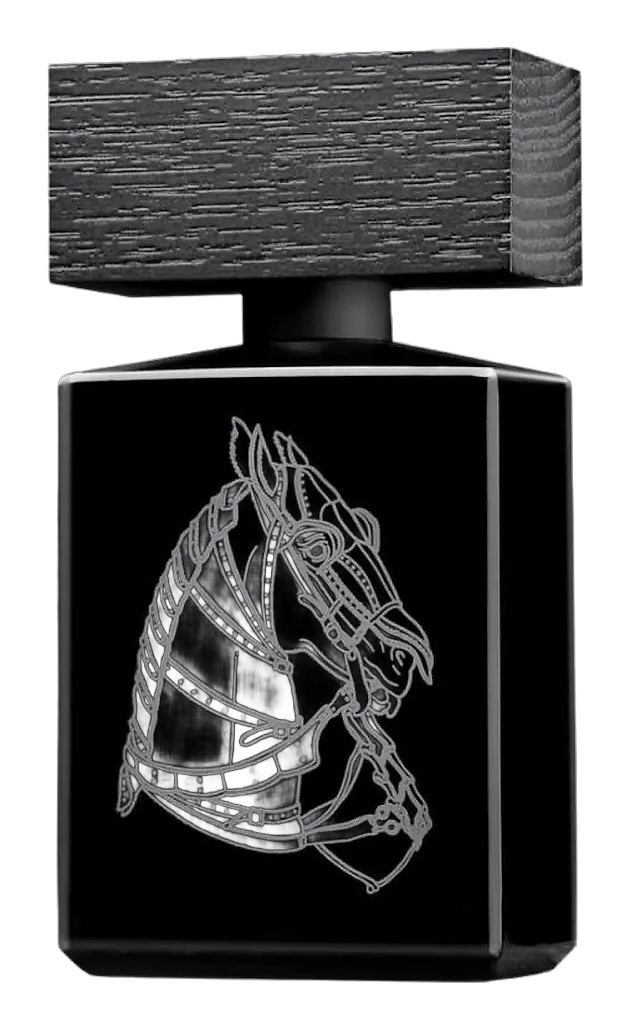
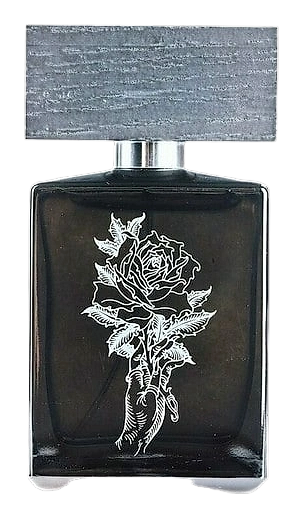
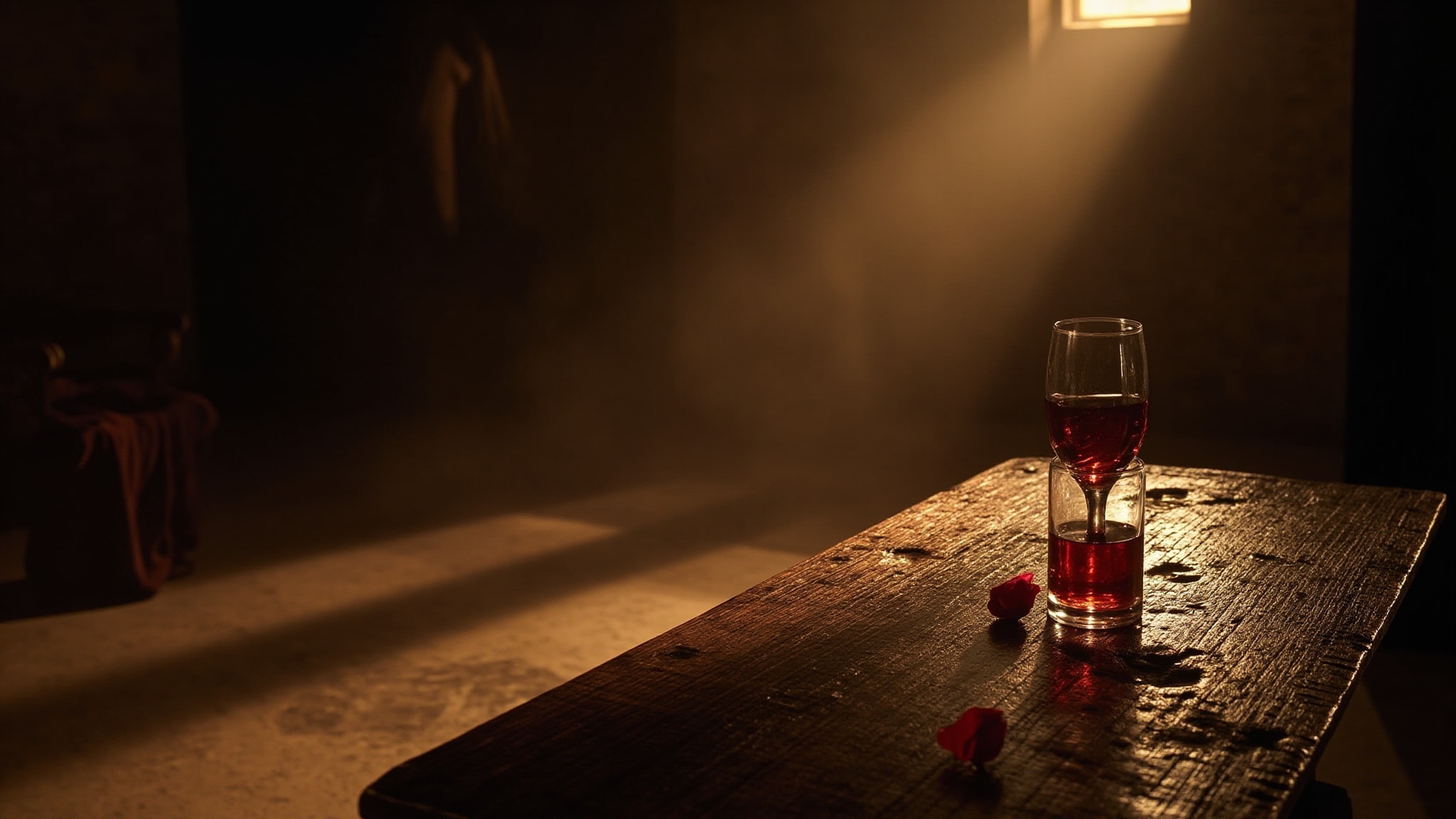
Acrasia takes her name from Spenser's The Faerie Queen, the enchantress who seduces knights and keeps them spellbound in her bower. The poem tells of a figure who represents something more complex than simple temptation, and BeauFort London found in that image something worth exploring in fragrance form. The composition begins with wine. It arrives on the skin with a quality that is immediately disorienting, the fermentation caught in that moment between fruit and something transformed. This is not a sweet opening. It is acidic, almost sharp, and it carries its own logic. Then the rose appears, but it arrives differently here than in most perfumes.
The wine note in Acrasia operates as more than a character element. On first contact, it presents as fermented, acidic, almost sharp. It creates an opening like a threshold rather than an invitation. The wearer steps across it, and the quality of the air shifts. From there, the rose executes something unexpected for a floral heart. Against what most would anticipate, it does not soften or round the edges of the composition. Instead, it sharpens them. Geranium and jasmine arrive in the heart, but they do not function as calming agents.
The evolution
The opening arrives hard and immediately. Red wine and Sicilian lemon combine in the first minutes to create a quality that borders on acidic. Bergamot cuts through just enough to prevent the sharpness from becoming unpleasant, but make no mistake, the first act belongs entirely to the wine note. This is not fruit. The character reads as fermented, transformed. As time passes, the heart begins its work. The rose steps forward, but it is not the powdery romantic rose of traditional florals. It reads darker, with a green edge supplied by the geranium. Jasmine adds a thick white-flower richness that on some noses can approach indolic without veering into anything animalic. The frankincense is present throughout, a smoky thread if incense counts as a smoky thread that connects opening to drydown without ever announcing itself.
Cultural impact
Part of BeauFort's Revenants collection, a series of fragrances built around figures who return from myth, from history, from the margins of stories. Acrasia fits that framework precisely: the enchantress, the one who makes you forget what you came for. The wine-led opening creates a particular effect in the first minutes, one that either hooks or repels the wearer almost immediately. That quality is part of what defines the fragrance for those who respond to it.
The House
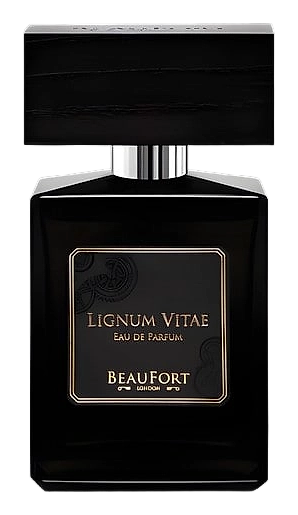
BeauFort LondonBeauFort London is a fiercely independent British perfume house that builds narrative‑driven, deep‑niche fragrances. Each scent leans on unusual or even bizarre ingredients, turning the bottle into a story rather than a simple aroma. The brand’s catalogue reads like a chronicle of British history, from the maritime grit of Iron Duke (2017) to the haunting grandeur of Terror & Magnificence (2019). Founded by musician‑writer Leo Crabtree, BeauFort operates out of a modest studio on Valencia Street, where the scent‑lab feels more like an artist’s workshop than a commercial factory. The house has earned a reputation among collectors for daring compositions that challenge conventional perfume structures while remaining unmistakably British in spirit.
The Creator
Julie DunkleyJouissance La Bague d'O, one of the handful of commercially confirmed creations tied to her name, offers a window into her range. The fragrance pairs metallic notes with orange and pink pepper in the opening, anchored by a floral heart of rose, geranium, and jasmine.