
The Story
Why it exists.
The beginning
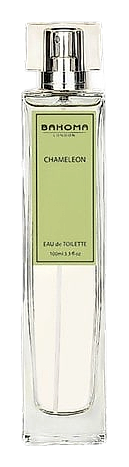
Chameleon sits inside Kolmaz's MEN collection, a line built for the Gulf customer who reads both directions, between Arabian perfumery traditions and the Western floral-green tradition that shaped a century of European boutiques. The official notes tell one story, cardmom, grapefruit, rosemary opening into tuberose and ylang-ylang, drying down to cedarwood, leather, and vetiver. The community-tracked pyramid tells another, pink pepper up top, cardamom and lilac at the heart, amber and patchouli underneath. Both readings belong to the same fragrance. That's the point. Chameleon was composed to live in that overlap, a scent that doesn't pick a side so much as keep turning so you only ever catch one angle at a time. Kolmaz, founded in 2015 and rooted in Oman while curating a Paris-leaning portfolio, built this one to travel between contexts the way its wearers do.
What makes the structure worth noting is the tension between what the pyramid says and what the drydown actually does. Pink pepper and cardamom together create a sharp, almost arid top that snaps rather than blooms, more like the first cold air of a desert morning than a traditional spicy-floral opening. Then lilac enters, and for most men's fragrance lines lilac would signal softness, even sweetness. Here the patchouli underneath gives it weight and depth, pulling the lilac toward something resinous and grounded rather than clean and soapy. It's a floral with backbone, which is rare.
The evolution
The first ten minutes are all spark. Pink pepper and cardamom land sharp and quick, the kind of opening that fills a doorway before you've crossed it. Then the warmth starts to move in, not as sweetness but as texture, the air getting denser around your collar. By the thirty-minute mark the lilac has fully opened, and there's a green, almost wet quality to the heart that catches people off guard in a men's composition. It smells like bruised stems and warm pollen, not perfume. Past the two-hour mark the patchouli and amber start pulling everything down to earth. The spice softens, the lilac thins into something more mineral, and what's left is a close, warm, slightly sweet woody drydown that sits an inch off the skin and stays there. On most wearers this phase holds four to six hours before becoming truly intimate. The next morning, on fabric, you'll find amber and a ghost of pepper, nothing floral, nothing loud, just the quiet warm shadow of what you wore the day before.
Cultural impact
Chameleon sits in an unusual position within the Gulf fragrance market. The Arabi Cana and Sufiana side of Kolmaz's catalog leans into oud, rose, and traditional musk, while the Western-named pieces go lighter and more floral. Chameleon sits between those worlds, and that's exactly where some wearers land too, customers who want something that reads as personal rather than regional. The lilac at the heart is the distinguishing choice. Most men's fragrance lines built for the Gulf market either skip florals entirely or hide them under heavy amber and oud. Chameleon lets the floral lead, and the patchouli gives it enough structure to hold together without defaulting to sweetness.
The House
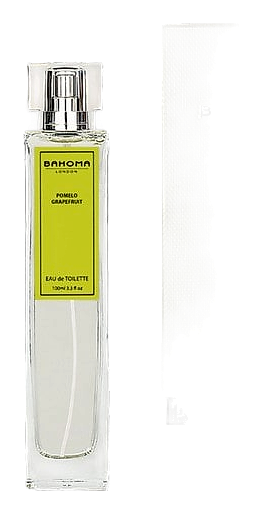
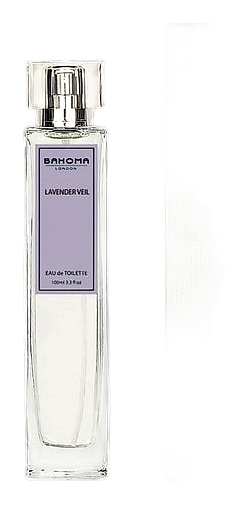
Bahoma LondonBahoma London is a British fragrance house known for scented candles, room sprays, diffusers, body products, and eau de toilette. Its catalogue spans names such as Chameleon, Lavender Veil, Eau de Cristal, Pomelo Grapefruit, Bois de Rose, and Indulgence. The brand operates through a family-run team and has developed a recognisable identity around fragrance-led interiors and accessible gifting. Some public sources give conflicting accounts of its founding and early creative leadership, but the strongest third-party account identifies Emad Bahoma as its founder in London in 2013.
The Creator
Margaret Strug-GuzowskaHer most recognizable vein joins vanilla with leather, suede and related tactile effects. Rather than treating leather as a rough masculine accent, she renders it sleek, close to the skin and softly lit.