







Heritage
A house, in its own words
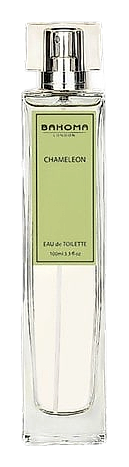
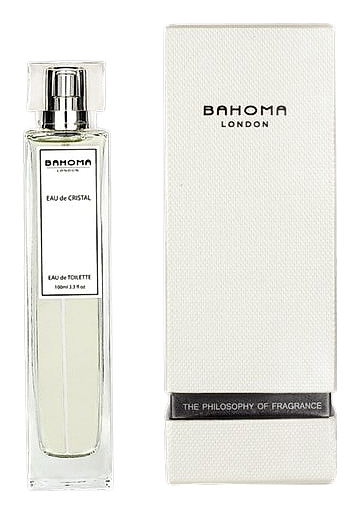
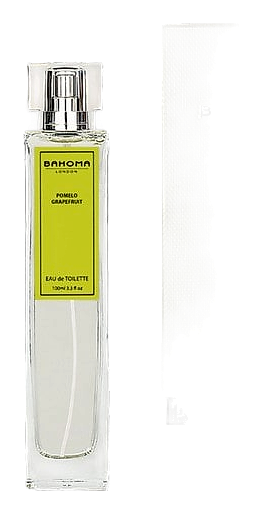
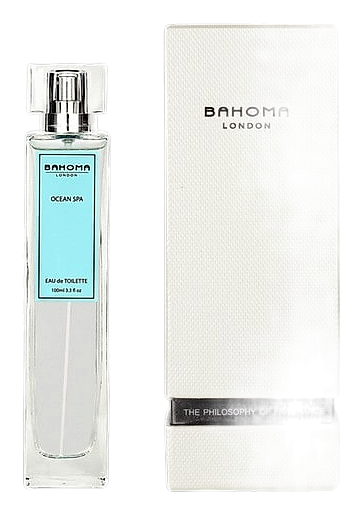
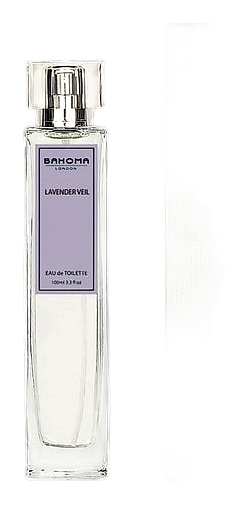
Bahoma London emerged in London during the early 2010s as an independent fragrance business built around scented products for the home and body. Fragrant Magazine reports that Emad Bahoma founded the brand in 2013, while one review profile describes it as a family-run British label. Those accounts establish the London connection and independent character, although other online sources circulate inconsistent dates, including 2007. A later home-fragrance review credits founder and fragrance expert Malgorzata Strug-Guzowska with lovingly creating the range, adding another layer to the brand’s documented history. Bahoma’s development has been shaped by the idea of carrying fragrance beyond perfume into domestic rituals and personal care. Candles, diffusers, and room sprays turn a scented composition into an atmosphere, while body products and eaux de toilette extend the same decorative sensibility to the wearer. The catalogue includes several titles introduced in 2016, from Passion and Desire to Lavender Veil, Eau de Cristal, and Pomelo Grapefruit. Bois de Rose followed in 2017. This sequence shows a broad early portfolio rather than a single fragrance focus. Bahoma London’s history remains comparatively young and partly documented through specialist retail listings, reviews, and editorial features rather than a long institutional archive. Bahoma London presents fragrance as part of everyday design, linking scented interiors with personal care and gifting. Its language repeatedly returns to atmosphere, style, and the idea that a room can be composed through scent. The brand’s product mix matters to this approach. Candles and diffusers establish a home fragrance, room sprays offer a lighter way to refresh a space, and body products or eaux de toilette bring scent into a personal setting. The result is a lifestyle framework rather than a narrowly defined perfume label. Across its catalogue, Bahoma uses recognisable fragrance references such as rose, grapefruit, lavender, and woods, alongside more imaginative names including Chameleon and Eau de Cristal. This balance helps explain the brand’s appeal to fragrance shoppers who want both familiar olfactory cues and accessible novelty. Public descriptions also position Bahoma as a family-run business with an emphasis on distinctive fragrance and attractive presentation. Those qualities are best understood as the brand’s working identity, not as independent proof of technical superiority. The sources do not identify a permanent perfumer, disclose a formal creative manifesto, or establish a detailed ingredient policy. Bahoma’s philosophy is therefore clearest through its formats, naming, and consistent focus on making fragrance visible within contemporary interiors.