
The Story
Why it exists.
The beginning
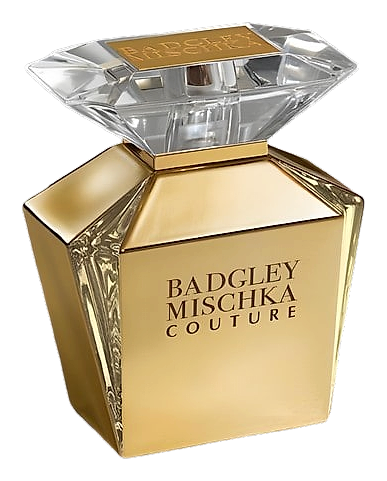
Badgley Mischka's second fragrance arrived in 2008, two years after the house's debut, and Caroline Sabas had something specific in mind. She wasn't building a sequel. She was building a mood. The brief apparently came with a list of names: Elizabeth Taylor, Sharon Stone, Teri Hatcher, Eva Longoria Parker, Sarah Jessica Parker. Each one a different kind of presence. Each one someone who walked into a room and made it hers. Sabas translated those women into notes, violet for Taylor's legendary eyes, gardenia for the cool heat of Stone. The rest fell into place: plum and blackberry for brightness, patchouli for the ground beneath the stilettos. Couture exists because the house wanted women to smell like the best version of an occasion, not dressed up, dressed.
The Fruity Chypre structure is what makes Couture interesting. Fruity openings are common in fashion fragrance, everyone does berries, everyone does pear. What sets this apart is the chypre backbone asserting itself early. Most fragrances in this category let the florals lead for twenty minutes before the base shows up. Couture doesn't wait. The patchouli and vetiver arrive alongside the gardenia, building a dark undercurrent that keeps the sweetness from becoming cotton candy. It's structured. Deliberate. The kind of composition that rewards attention rather than demanding it.
The evolution
The first twenty minutes are all fruit, plum and blackberry bright and slightly tart, the pear nectar softening everything into a blur of sweetness. Then the florals separate. Gardenia pushes forward, creamy and heady, jasmine underneath giving it weight. Violet threads through like a whisper. By the second hour, the chypre shows its hand. Patchouli dominates the drydown, dark and earthy, vetiver adding smoke, musk holding everything close to the skin. Eight hours in, on fabric, it's still there, a ghost of sweetness caught in the weave.
Cultural impact
Couture sits comfortably in fashion fragrance territory, the kind of scent the house makes to complement the gowns rather than compete with them. No revolutionary positioning or cultural moment attached, but it's had a quiet life in department stores and specialty retailers since 2008, finding its audience among women who want occasion dressing translated into something they can wear every day.