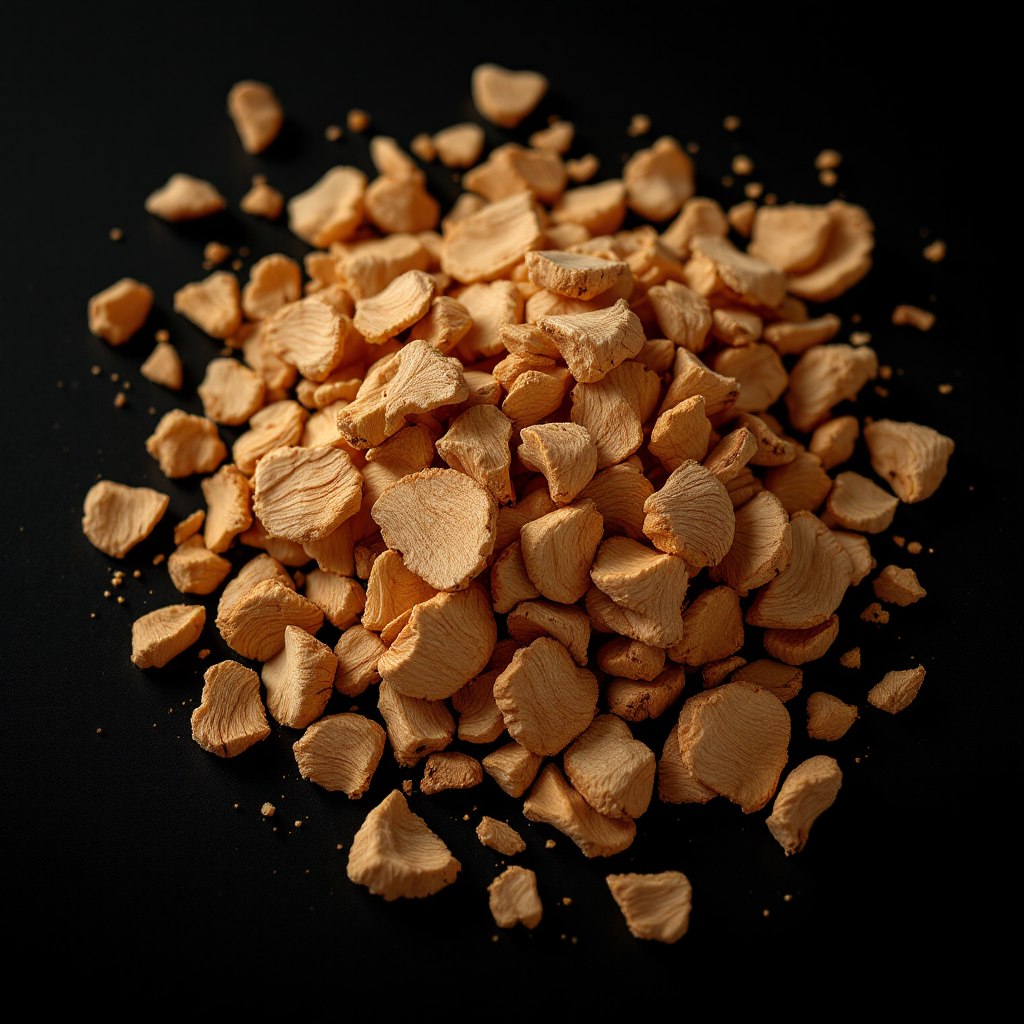
Black Vetiver
Beneath the soil, vetiver roots hold an aromatic depth that has anchored perfumery for millennia. Black Vetiver intensifies this earthiness into something darker, smokier, more primal.
Character
How it smells
Smoke and earth from ancient roots
Vetiver roots grow downward as deep as 2-4 meters, making this one of the few aromatic plants whose power lies entirely underground.



Origin
India
Vetiver traces its roots to the Indus Valley, where ancient Indian civilizations wove the grass into aromatic mats and perfumes over 3,000 years ago. References appear in Sanskrit texts describing its use in religious ceremonies and personal fragrance.
The Babylonian Empire adopted vetiver around 1792-1750 BCE, using the resinous roots in their sophisticated perfumery traditions. European perfumers encountered vetiver much later, with the fragrant root arriving in France and England during the 19th century.
Reunion Island became a cultivation center from 1900 onwards, its volcanic soil producing essential oil prized for quality. The term Black Vetiver emerged in modern perfumery to describe vetiver that's been roasted or toasted, creating a darker, more intense interpretation that captures something primordial in the ingredient's character.
Wears it best
Fragrances featuring Black Vetiver
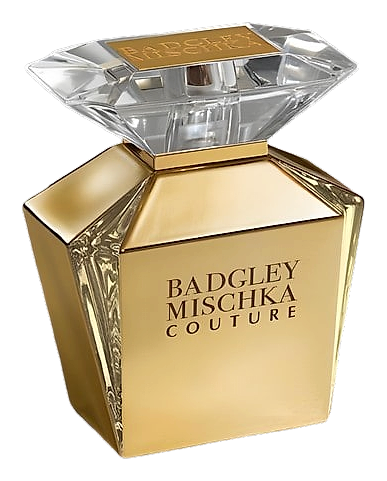
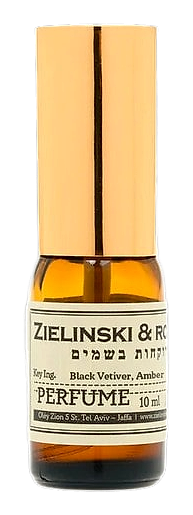
Brands
Brands known for Black Vetiver
Good to know
Questions, answered
The essentials on Black Vetiver in perfumery: how it smells, where it comes from, and how it behaves on skin.
What makes Black Vetiver different from regular vetiver?
Black Vetiver undergoes a roasting process that caramelizes the roots, creating deeper smoky and smoky-woody notes. Standard vetiver reads as fresh-earthy; Black Vetiver adds a darker, more intense dimension.
How long do vetiver roots need to grow before harvest?
Mature vetiver roots are typically harvested 18-24 months after planting. Some producers wait even longer to ensure the roots develop their full aromatic complexity.
Why is vetiver considered a fixative in perfumery?
Vetiver essential oil contains high concentrations of vetiveryl acetate and sesquiterpenes, which evaporate slowly and help other fragrance molecules remain detectable on the skin for hours longer.
Where does the highest quality Black Vetiver come from?
Madagascar and Reunion Island produce the most sought-after Black Vetiver. Reunion's volcanic soil, cultivated since 1900, yields an oil with particularly rich, resinous character.
Does Black Vetiver occur naturally or is it processed?
Black Vetiver results from deliberate processing. The roasting step is a technique developed by modern producers to enhance vetiver's smoky, dark qualities for contemporary perfumery preferences.
What fragrance families pair well with Black Vetiver?
Black Vetiver anchors woody, leather, tobacco, and oriental compositions. Its smoky depth also complements marine and green fragrances by adding a mysterious counterpoint.
Can you smell vetiver in its raw plant form?
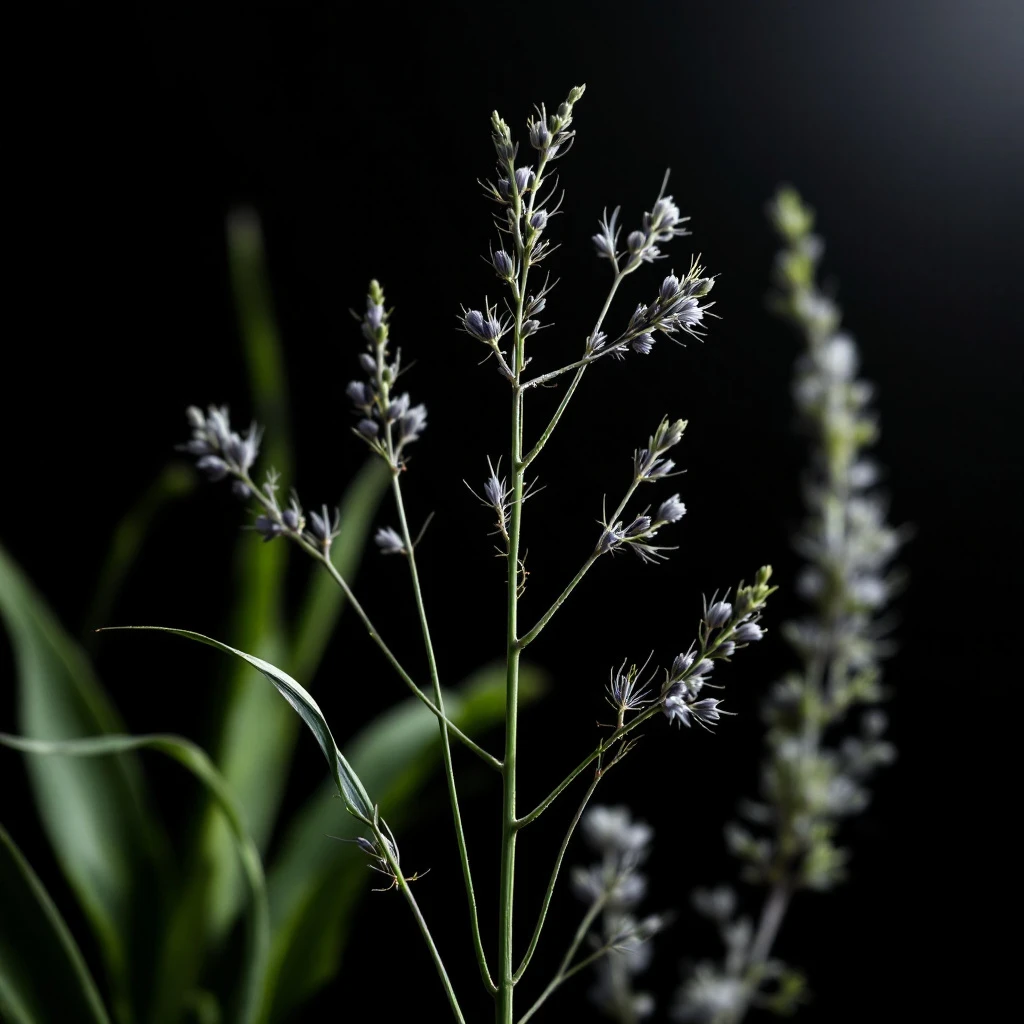
Vetiver grows as a tall grass with fragrant leaves, but the iconic earthy-woody aroma comes entirely from the roots. The leaves have a much lighter, grass-like scent.
How much vetiver oil does one harvest produce?
Approximately 50-100 kilograms of dried vetiver roots yield just 1 kilogram of essential oil through steam distillation, making pure vetiver a relatively scarce and concentrated ingredient.