
The Story
Why it exists.
The beginning
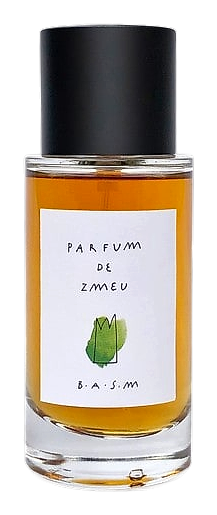
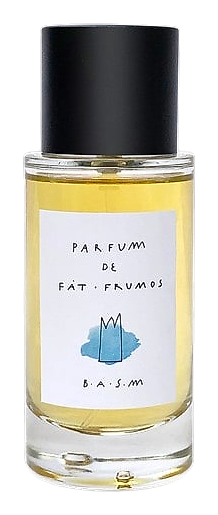
Arturetto Landi created Parfum de Făt Frumos in 2018 for a Bucharest house built on Romanian folklore. The name belongs to Făt Frumos, the heroic prince of Slavic and Dacian myth, the one who slays dragons and rescues maidens. Landi translated that archetype into scent: confident, direct, with an edge. The brief wasn't charm. It was conquest. The fragrance was made for the wearer who walks in already certain of the room.
The truffle opening is the statement. Earthy, unconventional, not the buttery truffle oil of restaurant fame, something darker, rawer. It announces that this Prince Charming doesn't arrive on a white horse. He arrives having already done the work. Warm spices build immediately after: cinnamon, cardamom, saffron pushing through in quick succession. The sweetness underneath, strawberry, rhubarb, keeps it from reading as aggressive. That tension between bold and approachable is the real composition trick.
The evolution
The opening hits hard and fast. Truffle, leather, warm spice, a sensory impression that doesn't wait for permission. Within thirty minutes, the sweetness arrives: strawberry jam over rhubarb, with bergamot cutting through just enough to prevent cloying. The heart takes its time. Jasmine, rose, and orange blossom unfold slowly, adding a powdery warmth that feels unexpected after the earthy start. Leather remains the backbone throughout, never disappearing, just evolving from assertively present to intimately close. By the final hours, the drydown settles into patchouli, vanilla, and white musk. Skin-warm. Lasting. The kind of smell that lingers on a collar hours after the wearer has left the room.
Cultural impact
Parfum de Făt Frumos arrived in 2018 as part of a deliberate movement to root niche perfumery in Eastern European folklore. Where French and Italian houses dominate the luxury fragrance landscape, B.A.S.M. by Createur 5 D'Emotions staked a claim for Bucharest as a source of bold, mythology-inspired compositions. The use of black truffle, an ingredient more common in haute cuisine than fine fragrance, signals an intentional break from convention. This kind of ingredient-forward boldness challenges what global audiences expect from designer and niche houses alike, opening space for other independent creators working outside traditional fragrance capitals.