The Story
Why it exists.
The beginning
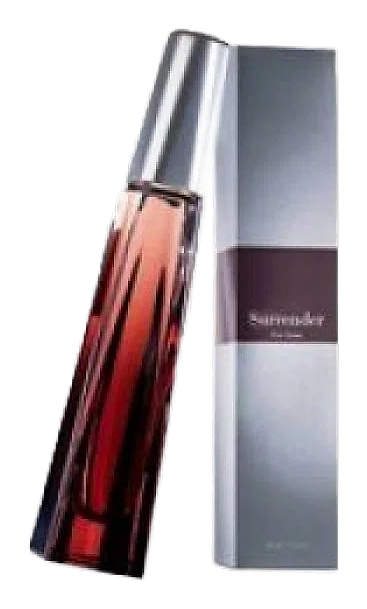
Released in 2004, Surrender came from perfumer Jean-Louis Grauby. The name carries weight: not defeat, but the kind of letting go that takes conviction. The composition pulls from that contradiction, structured around cashmere wood, Damask rose, and a base of amber, musk, and patchouli that gives the softness something to lean against. Grauby built it for warmth with backbone, the oriental-spicy architecture underneath keeping the tenderness from drifting. The cashmere wood lends a brushed, almost tactile softness, the kind of note you imagine as fabric rather than scent, while the Damask rose threads through with a peppery, slightly honeyed lift that keeps the sweetness in check.
The structural choice that sets Surrender apart is the placement of Chinese tea at the very top. Tea opens the composition with a cool, astringent clarity that cuts against the warmth of what follows, a quiet counterpoint that sets the tone before the florals arrive. The tea note feels almost like a held breath, present but restrained, giving the citrus a slightly bitter edge to play against. As the top settles, that astringency softens but never fully disappears, leaving a faint trace of dryness beneath the rose and cashmere.
The evolution
The first ten minutes belong to citrus, mandarin and bergamot cracking open bright and clean, with the tea threading underneath like steam. The cool lift of the top notes carries a faint bitterness, almost like the first sip of green tea on a cold morning, before the sweetness starts to surface. Around the 20-minute mark, the florals begin their slow takeover: Damask rose, deep and slightly spicy, cushioned by cashmere wood that softens everything without losing definition. The rose here reads more like crushed petals than fresh blooms, with a wine-dark warmth that shifts the mood from bright to contemplative. By hour two, the amber and musk have settled in, warm and skin-close, while the patchouli surfaces in low pulses, never loud, just present enough to remind you there's earth beneath all that silk.
Cultural impact
Surrender occupies a particular corner of fragrance memory: discontinued for years now, but still actively sought out by people who wore it in their twenties and never found anything quite like it. The community around it is small but devoted, the kind where every bottle traded carries a story. Vintage bottles surface on resale platforms with surprising regularity, and the asking prices reflect a demand that never quite faded when the original supply did.