
The Story
Why it exists.
The beginning
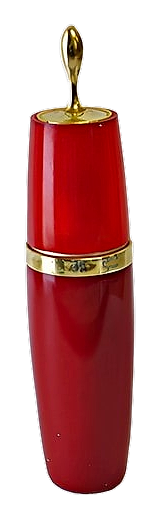
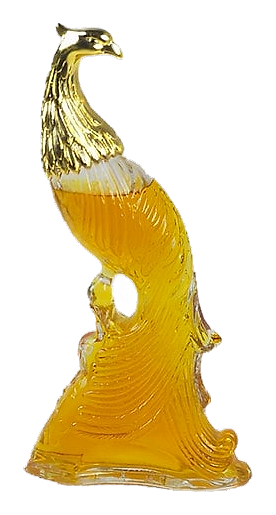
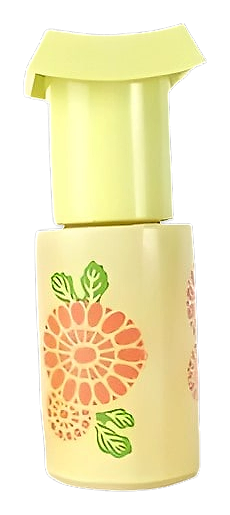
Hanagasa arrived in 1970 from Avon, a direct-selling company known for bringing fragrance right to the door. The launch came during a period when the house was actively shaping a wider, more diverse catalogue, building on its earlier floral compositions and reaching for something with a different kind of warmth. The name Hanagasa carries an Eastern reference, suggesting imagery of something ornamental and ceremonial, with one source noting that the bottle itself has an oriental look, complete with oriental letters printed on the glass. That visual language shaped the spirit of the composition: something floral but warm, accessible, and quietly celebratory.
What's interesting here is the sunflower. The note opens with a golden, almost honeyed quality, slightly vegetal, carrying the warmth of a flower face before the bees arrive. There's a sweetness underneath that suggests where things are headed, but it stays restrained, never tipping into syrup. The middle layer remains deliberately vague, a generic floral notes accord rather than a named bloom, which keeps the composition reading like a wash of petals rather than a single garden.
The evolution
The first few minutes belong almost entirely to the sunflower. Bright, slightly waxy, a little green at the edges, like running your thumb across the face of the bloom. It's not sharp. More like warm pollen in still air. There's a faint sweetness underneath that signals where things are headed, a quiet anticipation of the warmer notes waiting below. As the first quarter-hour passes, the sunflower recedes and the floral heart takes over. It's deliberately undefined, a soft blur of petals that reads more as impression than any single bloom. Powder creeps in around the thirty-minute mark, giving the whole thing a vintage softness, like the inside of a kept vanity drawer. The musk announces itself quietly in the background and never really leaves. It builds through the second hour until the perfume settles into a warm, sweet, slightly powdery skin scent that clings close.
Cultural impact
Hanagasa belongs to that mid-century category of Avons that women actually wore, not just bought from a representative. It sits as a piece of the brand's catalogue alongside names like Sweet Honesty and Occur, the kind of scent that turned up in bathroom cabinets and dresser drawers and stayed there through years of quiet, regular use. There's something refreshing about a perfume this soft in a field full of louder compositions, a gentleness that feels almost radical by current standards.