The Story
Why it exists.
The beginning
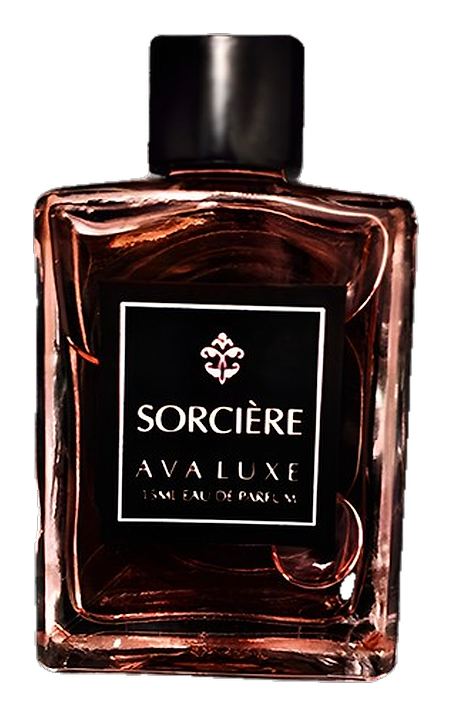
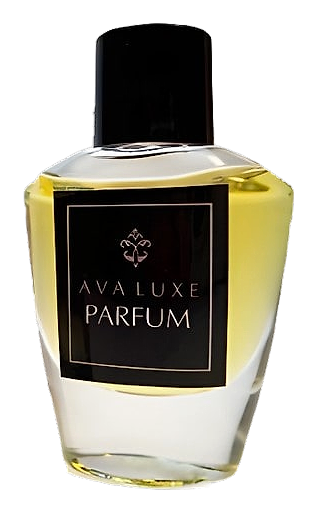
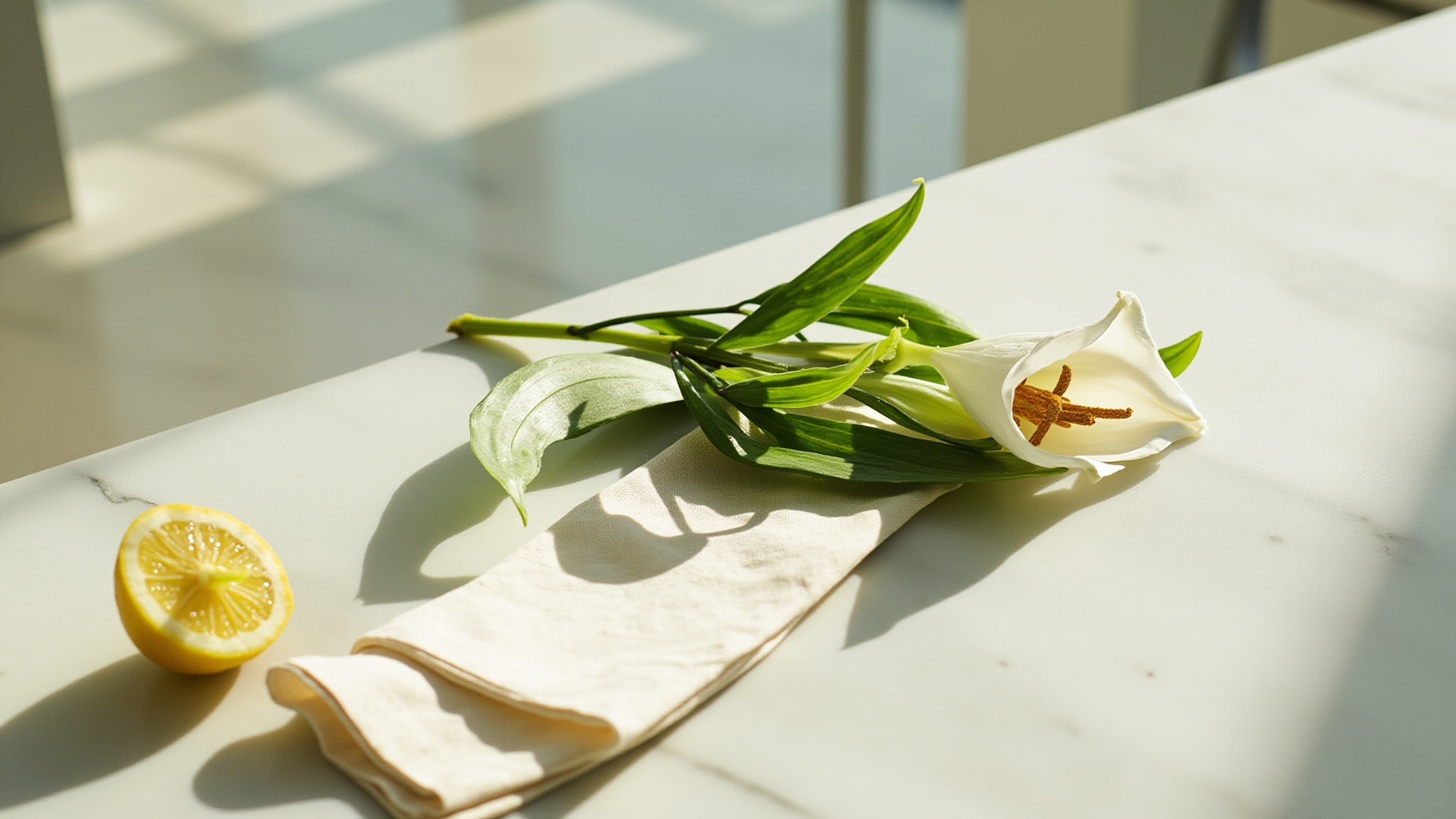
Madonna Lily is one of the smaller compositions in Serena Ava Franco's Ava Luxe catalogue, built from a deliberately short list: lily, green leaves, dew drop, musk. No supporting cast, no distractions. The philosophy behind the fragrance is straightforward and uncompromising. Franco treats each composition as something to be experienced on its own terms, and Madonna Lily fits that approach almost too neatly, a single floral note given room to speak in its own voice. The lily here isn't abstracted into a clean accord or smoothed over with sweetness. It's rooted in green stem and leaf, the living plant before it becomes a symbol.
White lilies are notoriously difficult to capture in fragrance. Their scent is heavy, almost indolic, closer to overripe fruit than to the delicate impression most perfumes suggest. The indolic character is what gives real lilies their depth and warmth, a slightly honeyed, almost animalic quality that reads as sensual rather than sweet. Franco took the road less smoothed here. She let the indolic warmth breathe, wrapped it in green leaf and musk, and trusted the wearer to handle the raw edge.
The evolution
The opening is green and sharp, crushed leaves and that cold wet sensation of dew before the sun reaches it. The lily arrives quickly, but not as a clean floral statement. It carries an animalic warmth, a slightly humid density that suggests pollen-heavy air more than cut stems. There's an almost tropical lushness to the way the flower reveals itself, as though you've stepped into a greenhouse at midday. The musk underneath shows up early and stays throughout, giving the composition a skin-like quality from the start. Over time, the green recedes gradually, giving way to a softer register. The lily becomes creamier and rounder, though it never fully loses its raw vegetal edge. Even at its softest, there's still a faintly humid thread running through it, the memory of that initial pollen-heavy impression.
Cultural impact
Madonna Lily occupies a distinctive place among fragrances that attempt to render a living flower rather than an abstract floral impression. Wearers drawn to realistic florals and garden-style scents tend to find it a reference point, a composition that respects the actual character of lilies instead of softening them into something safer. There's nothing delicate-for-delicacy's-sake about it. The fragrance stays true to the slightly raw, indolic warmth that real white lilies carry, and that commitment gives it a particular kind of presence.