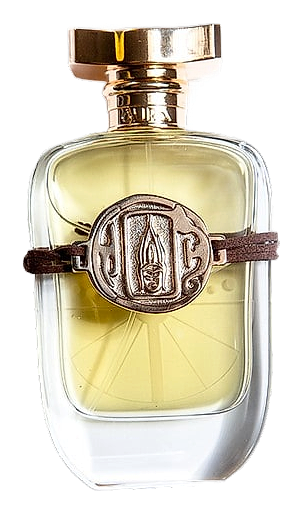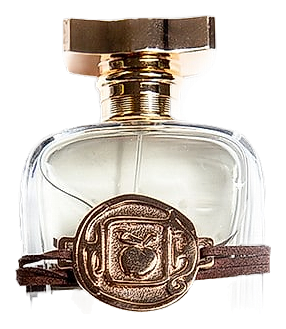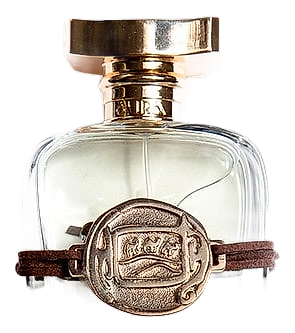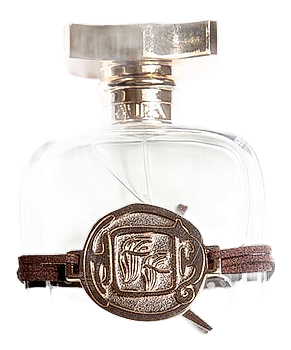

The Story
Why it exists.
The beginning
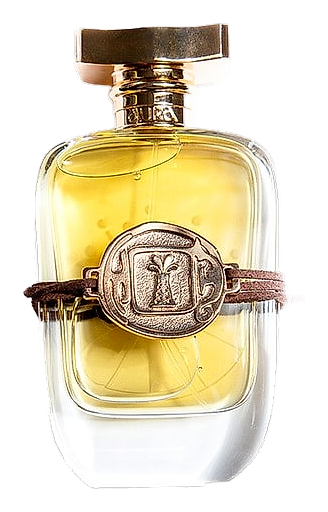
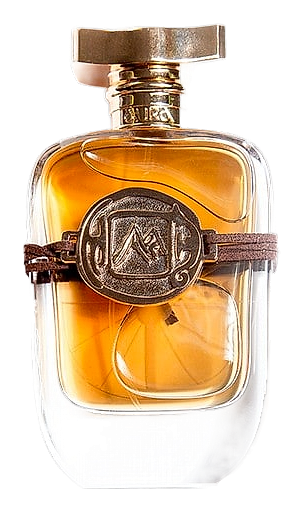
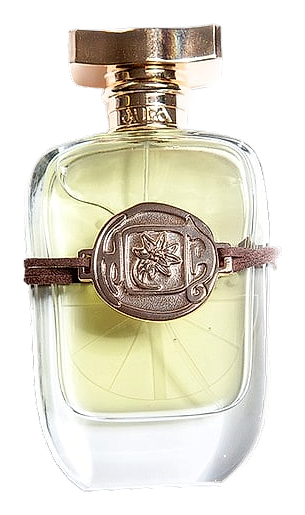
The Great Steppe is not a metaphor in Kazakhstan, it's a fact. Vast, wind-cut grassland stretching beyond the horizon, the smell of wormwood rising after rain, the warmth of a leather horse harness left in the sun. That's the source. Sarah McCartney worked from those reference points, a Kazakh olfactory memory translated through a British perfumer's hand. The brief was straightforward: freedom. The unbound, uncontaminated kind. What does that smell like? Herbs you can't name, growing past the fence of somewhere you haven't been yet. Wildflowers pressed flat by wind. The mineral dry-down of a landscape that doesn't apologize for being enormous. It launched in 2020, one of the first fragrances from a brand built to answer a simpler question: what does Kazakhstan smell like?
The wormwood makes it unusual. Artemisia is used in perfumery, in absinthe, in fougères, but rarely at this volume, this early. Most fragrances hide their bitter notes inside a structure that softens them by the time you reach the drydown. Here, the wormwood is the opening statement, unmediated. Then the florals arrive: violet and wildflowers offering something gentler, a pastoral counter to the herbal sharpness. It's an odd combination, medicinal top, delicate heart, grounded base, and the oddness is the point. The steppe doesn't care about your comfort. It just keeps going.
The evolution
The opening hits like stepping into wind. Sharp herbs, wormwood, caraway, mint, cut through with an almost medicinal brightness. It stings slightly, the way cold air does in winter. Give it ten minutes. The leather emerges, softened but present, the smell of tack left to dry in open air. Patchouli brings earth underneath, and cedar begins to assert itself. By the second hour, the composition settles. The wildflowers and violet have come forward, threading through the leather like something growing near a fence post. The drydown is where this fragrance earns its name. Vetiver, cedar, patchouli, dry, warm, close to the skin. Lasts 6-8 hours on most.
Cultural impact
Launched in 2020 as part of a brand built to answer a simple question: what does Kazakhstan smell like? Wind of the Great Steppe entered a niche market where Central Asian heritage was largely undocumented, a deliberate gap the brand aims to fill. The fragrance's strong herbal character and prominent wormwood note set it apart from mainstream aromatic fragrances, appealing to wearers drawn to unusual, landscape-driven compositions.
The House
Aura of KazakhstanAura of Kazakhstan stands as the first perfume house native to Kazakhstan, creating fragrances that channel the landscapes, history, and cultural identity of the Central Asian nation. The brand operates from Almaty and邀請了歐洲調香師團隊前往哈薩克斯坦,希望捕捉並分享草原、山脈和現代城市的氛圍。Each fragrance in the collection serves as an olfactory portrait of a specific place, region, or historical figure from Kazakh heritage, from the alpine lakes of the Tian Shan to the ancient Silk Road corridors.
The Creator
Sarah McCartneyPatchouli fascinates McCartney. Put it in a blend and it often smells like chocolate, a phenomenon she attributes to the nose communicating differently with the brain than other senses.