
The Story
Why it exists.
The beginning
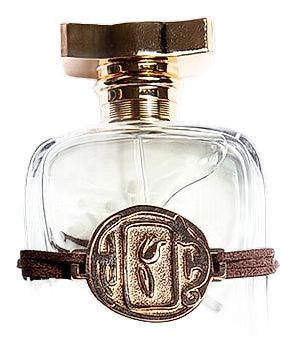
Kazakhstan is thought to be the motherland of tulips. Botanists trace the flower's origins to the foothills of the Tien Shan mountains, the same region that inspired this fragrance. When Sébastien Martin approached this heritage for a wearable composition, the brief wasn't just about a flower. It was about a landscape waking up. The first green shoots pushing through thawing soil after a long winter. The cool, damp mineral scent of earth softening. A faint greenness in the air, crisp and clean, carrying the promise of something about to bloom. The composition captures not a tulip in a vase, but the moment the earth remembers how to grow. There is something immediate and alive about it, something that speaks to renewal and the quiet patience of nature waiting for its season to return.
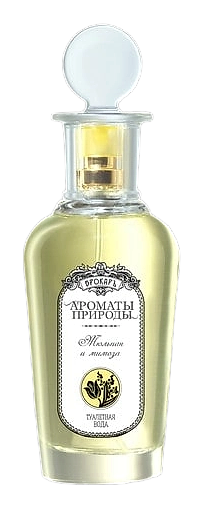
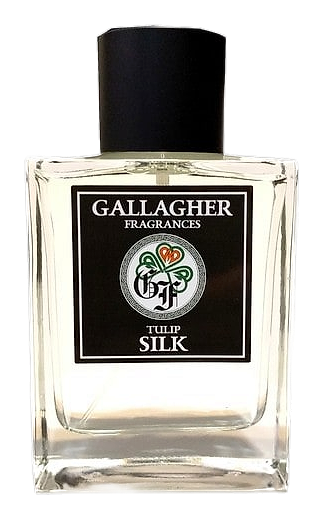
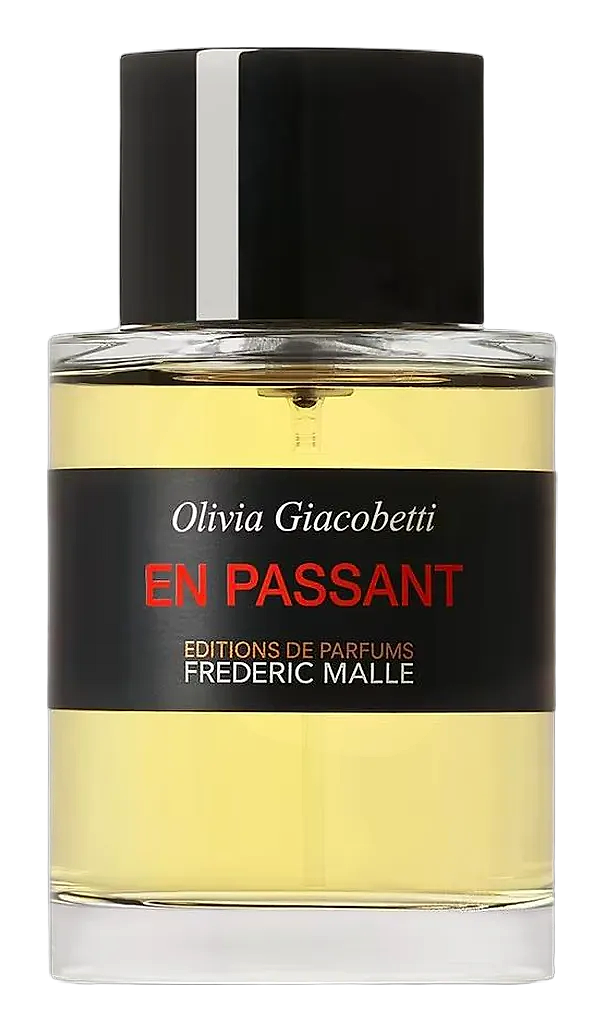
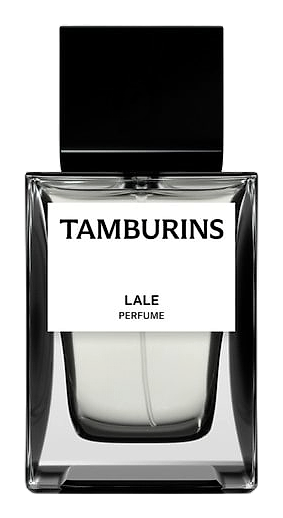
The note structure is deliberately lean. Freesia, cyclamen, bergamot up top. Green notes and tulip at the heart. White musk and woody notes anchoring the base. No oud, no amber, no heavy resins. The tulip reads as green and crisp, almost vegetable in its freshness, the scent of stems and leaves rather than petals alone. There is a watery, dewy quality to the cyclamen that amplifies this greenness, giving the florals an unexpected freshness that feels more like morning dew than garden blooms.
The evolution
Bergamot hits first, bright and citrusy, a cool splash that gives way as the heart develops. Then the hand-off: cyclamen and freesia arrive together, a soft floral pair where freesia's powdery sweetness meets cyclamen's fresh, dewy character. The transition is gentle, not dramatic. More like a door opening quietly. As the scent develops, the green notes emerge and the tulip announces itself, crisp, green, unmistakably the star. More the smell of stems cut fresh than petals in bloom. There is an almost vegetable quality to the greenness, a crispness that feels like biting into a just-picked vegetable. The white musk takes over as the hours pass, wrapping everything in a clean, skin-like warmth that settles close to the body. The woody base provides just enough structure to keep it from disappearing entirely.
Cultural impact
The composition itself is deliberately understated, the kind of scent that rewards attention rather than demanding it. For those who appreciate nuanced perfumery, Land of Tulips offers a fresh take on a familiar flower, approaching the tulip as a green, almost vegetable note rather than a sweet floral. The restraint is notable. There are no heavy florals, no tropical sweetness, just a clean, crisp interpretation that feels both modern and rooted. The white musk in the base provides warmth without weight, keeping the fragrance close and intimate throughout its wear.
The House
Aura of KazakhstanAura of Kazakhstan stands as the first perfume house native to Kazakhstan, creating fragrances that channel the landscapes, history, and cultural identity of the Central Asian nation. The brand operates from Almaty and邀請了歐洲調香師團隊前往哈薩克斯坦,希望捕捉並分享草原、山脈和現代城市的氛圍。Each fragrance in the collection serves as an olfactory portrait of a specific place, region, or historical figure from Kazakh heritage, from the alpine lakes of the Tian Shan to the ancient Silk Road corridors.
The Creator
Sébastien MartinSébastien's work reflects both classical discipline and worldly curiosity. His aesthetic leans toward the refined but never predictable.