
The Story
Why it exists.
The beginning
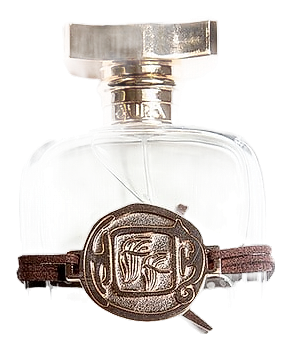
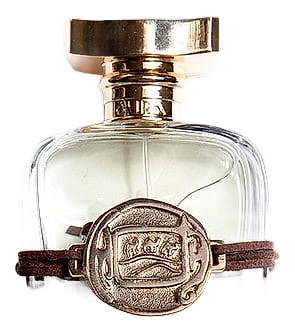
The fragrance honors the ancient corridor running through Kazakh territory. The Silk Road isn't metaphor here, it's geography, history, the actual route where merchants carried spices, silk, and resins westward from the East. The composition builds around wormwood, the bitter herb that anchors the scent with an earthy, slightly sharp edge, layered against black pepper's sharp clarity. Incense opens the procession. Red wine enters at the heart like a warm interruption. The result is a fragrance that smells like movement itself, a caravan always arriving, never quite home.
The choice of wormwood as a signature note is deliberate. Artemisia absinthium, the same plant that gave absinthe its reputation, carries a distinctive character here. It's not green or herbaceous but dry, almost dusty, like crushed leaves left in the sun. It anchors the fragrance against the sweeter, richer elements: tolu balsam's honeyed warmth, red wine's fermented depth, ambergris's animalic longevity. The combination of dry bitter against warm resinous sweet creates a tension that holds attention. This isn't a fragrance that asks to be liked. It asks to be experienced.
The evolution
The opening hits like cold air, wormwood's bitter clarity cutting through before black pepper arrives to add heat. Incense appears in the background, not smoky exactly, but present. Resinous. The wormwood eventually recedes, leaving black pepper and myrrh in conversation. At the heart, red wine emerges unexpectedly, not jammy, not sweet, but the dry tannic quality of something aged in wood. Tolu balsam softens the transition, its honeyed warmth bleeding into the spices. The base is where this fragrance earns its name. Sandalwood and palisander rosewood layer into something that stays close to the skin but refuses to disappear. Ambergris adds salt, depth, a faint animal warmth that survives washing. The next morning, faint traces of sandalwood and resin still cling to fabric and skin.
Cultural impact
Niche fragrance from a market not typically associated with perfumery. The combination of Kazakh identity with a Western perfumer creates something genuinely unusual in a crowded field. The approach mirrors the Silk Road's own history of exchange, translating cultural reference points through an international lens. The result offers wearers something beyond simple note combinations, grounding abstract spice concepts in specific geographic and historical resonance.