
The Story
Why it exists.
The beginning
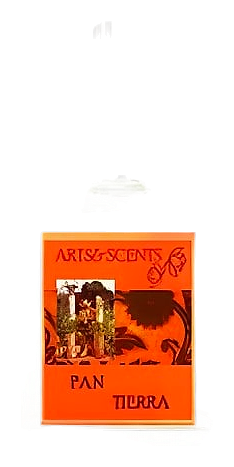
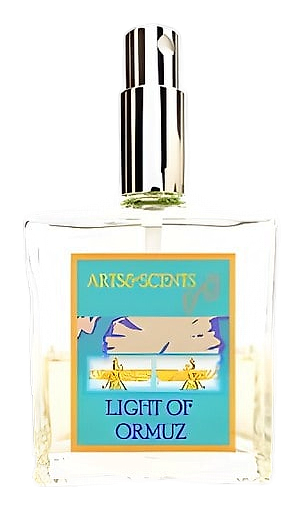
Light of Ormuz comes from Arts&Scents, with Manuela Pfannes-Völkel composing it. The name points toward Ormuz, a historic trading city, while the official description imagines glittering accents turned into a sensual experience. Its brief is atmospheric: green mint leaves, clear water droplets, and wind moving through them. The note pyramid carries that impression into a distinct structure, pairing peppermint and green notes with spicy notes before settling over tonka bean, cedarwood, and vetiver. The opening feels fresh and aquatic, with peppermint bringing a crisp lift and the green notes suggesting damp leaves stirred by moving air. As the composition develops, spice adds definition without overwhelming the freshness.
What makes Light of Ormuz interesting is the handoff from cool freshness to a warmer, grounded finish. Peppermint gives the opening a clear, minty snap, green notes extend it into something leafy rather than strictly citrus, and the heart introduces clean heat through spices. Tonka bean then adds sweetness and creaminess, while cedarwood and vetiver keep the base woody and composed. It reads aquatic in spirit, but never swims away from a more tactile, skin-bound character.
The evolution
The opening arrives with peppermint's immediate coolness, sharpened by green leaves that feel brushed and sunlit. As the mint softens, the spicy heart adds a clean pulse rather than obvious heat. What follows is the surprise: tonka bean introduces a creamy sweetness, giving the composition the atmosphere of a cool drink touched by something warmer. Cedarwood and vetiver gradually take over, replacing leafy brightness with a dry, woody finish. Over time, the fragrance draws closer to the skin and becomes quieter, leaving a restrained green, creamy, and woody trace rather than a loud aromatic cloud. The mint and leafy notes provide the first impression, but the warmer base gives the scent its staying character. As the opening fades, tonka bean makes the composition feel smoother and more tactile, while vetiver lends a subtle earthy edge to the dry finish.
Cultural impact
Light of Ormuz offers a distinctive expression of fresh green perfumery, built around peppermint, leafy notes, spice, tonka bean, cedarwood, and vetiver. Its appeal lies in the way the crisp opening gradually softens into a creamy, woody close. The mint gives the composition an immediately refreshing quality, while the warmer base gives it a quiet sense of depth. It rewards close attention: the green notes can feel bright and almost watery, spice adds a measured pulse, and tonka bean introduces a rounded sweetness that changes the mood without taking control.
The House
Arts&ScentsArts&Scents is a German‑based fragrance boutique that curates niche scents for collectors who value story and craft. The label presents its creations as small‑batch olfactory artworks, each poured by hand in a modest studio. Since its first releases in 2010, the house has built a catalogue that ranges from the leather‑rich Cuero de Mexico to the bright, green notes of Fantastic Green Bird. Its portfolio is anchored in a belief that scent can echo a moment, a place, or a feeling, and that a well‑designed bottle should feel as intentional as the perfume inside.
The Creator
Manuela Pfannes-VölkelManuela favors a restrained palette, often beginning with a single botanical anchor such as violet leaf or cedarwood. She layers this foundation with subtle accents of spice, amber, or marine accords, allowing the core to breathe.