
The Story
Why it exists.
The beginning
Dream of India comes from the studio Arts&Scents, and it wears its title without apology. This is a fragrance that leans all the way into its namesake, designed to evoke the sensory density of a specific place rather than chasing a familiar template. Where many compositions gesture at a region through broad strokes, this one goes granular and specific, pulling from materials that carry real cultural weight rather than abstract shorthand. Rose water, masala chai, curry tree, and green coriander anchor the composition, and together they sketch something dense, particular, and unsentimental. Manuela Pfannes-Völkel composed it. She built the scent from materials that read as both culinary and ritual, chosen for their immediacy and texture.
Dream of India skips the usual anchor points. Where many compositions in this territory build around oud, amber, or vanilla as the gravitational center, this one finds its center of gravity elsewhere entirely. The structural foundation is curry tree and masala chai, two materials that bring an immediate, almost edible sharpness to the composition. They push the fragrance into territory that most florals and ambers can't reach, giving it a savory warmth that feels alive on skin. Green coriander provides the cooling counterweight that keeps the spices from tipping into something purely culinary.
The evolution
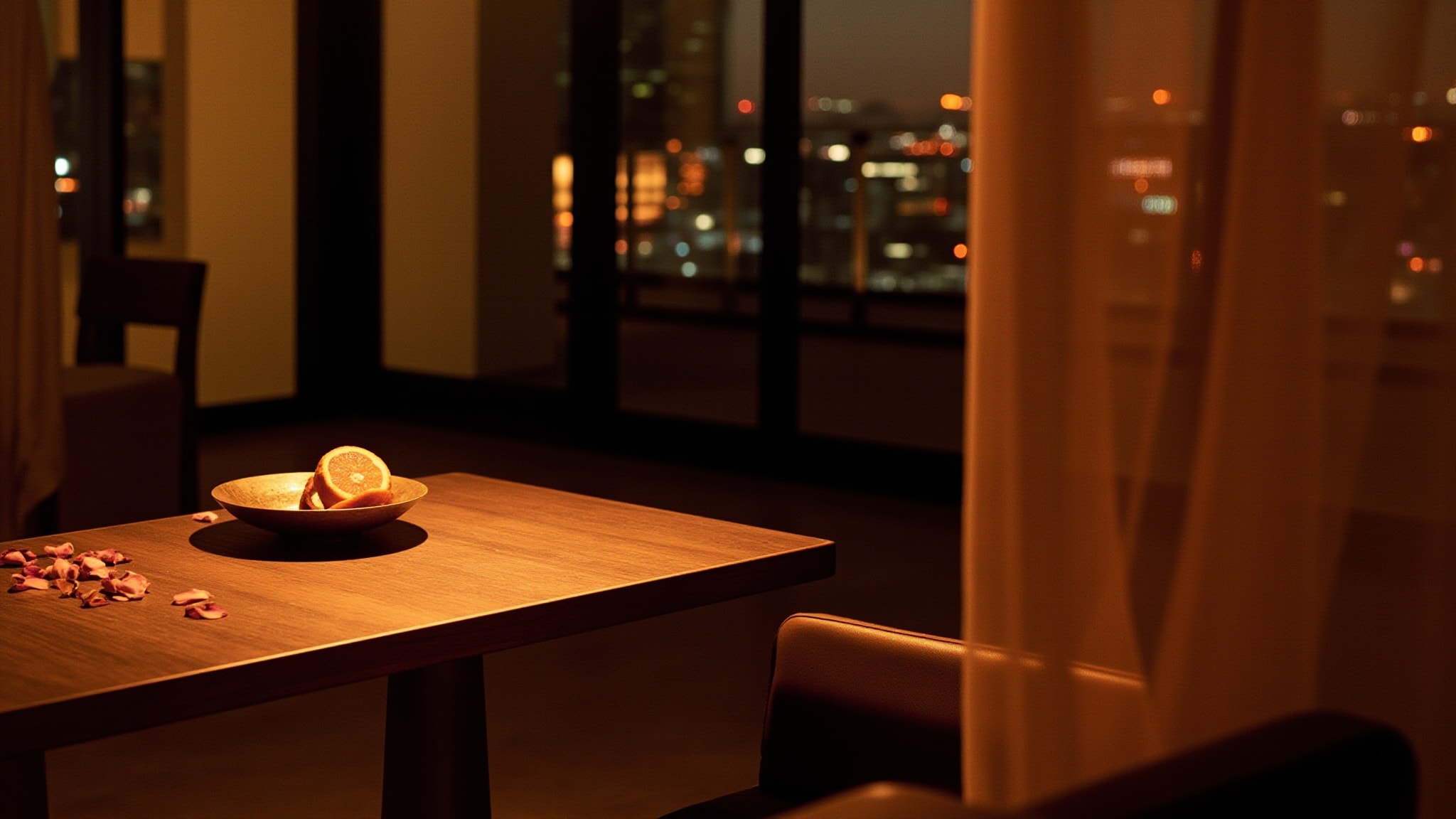
The opening is the gentlest stretch of the wear. Rose water lifts off the skin with a whisper of orange behind it, almost delicate, almost fleeting. There's a softness to the first impression, something dewy and quiet that you might mistake for simplicity if you weren't paying attention. Then the spices arrive, and the whole composition tilts on its axis. Curry leaf and masala chai take over with an assertive, almost savory warmth that fills the air around you. Green coriander cuts through with a fresh, herbal cool that keeps the whole thing from going heavy or muddled. As the hours pass, the spices start to recede and the composition settles into its lower register. Champaca moves forward, creamy and golden, while the patchouli underneath settles into something warmer and quieter.
Cultural impact
Dream of India sits in an unusual corner of the niche world. It commits fully to a specific regional cuisine and ritual rather than reaching for the broader oriental category. Wearers who gravitate to it tend to be people who want their fragrance to say something concrete, not just smell pretty. The composition doesn't translate or soften its references for a wider audience; it presents them directly and trusts the wearer to meet it halfway. That kind of commitment is rare, and it gives the fragrance a sense of purpose that goes beyond simple aesthetic appeal.