The Story
Why it exists.
The beginning
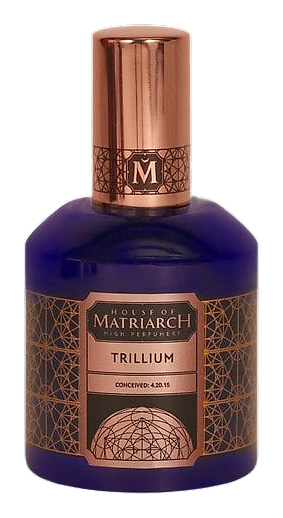
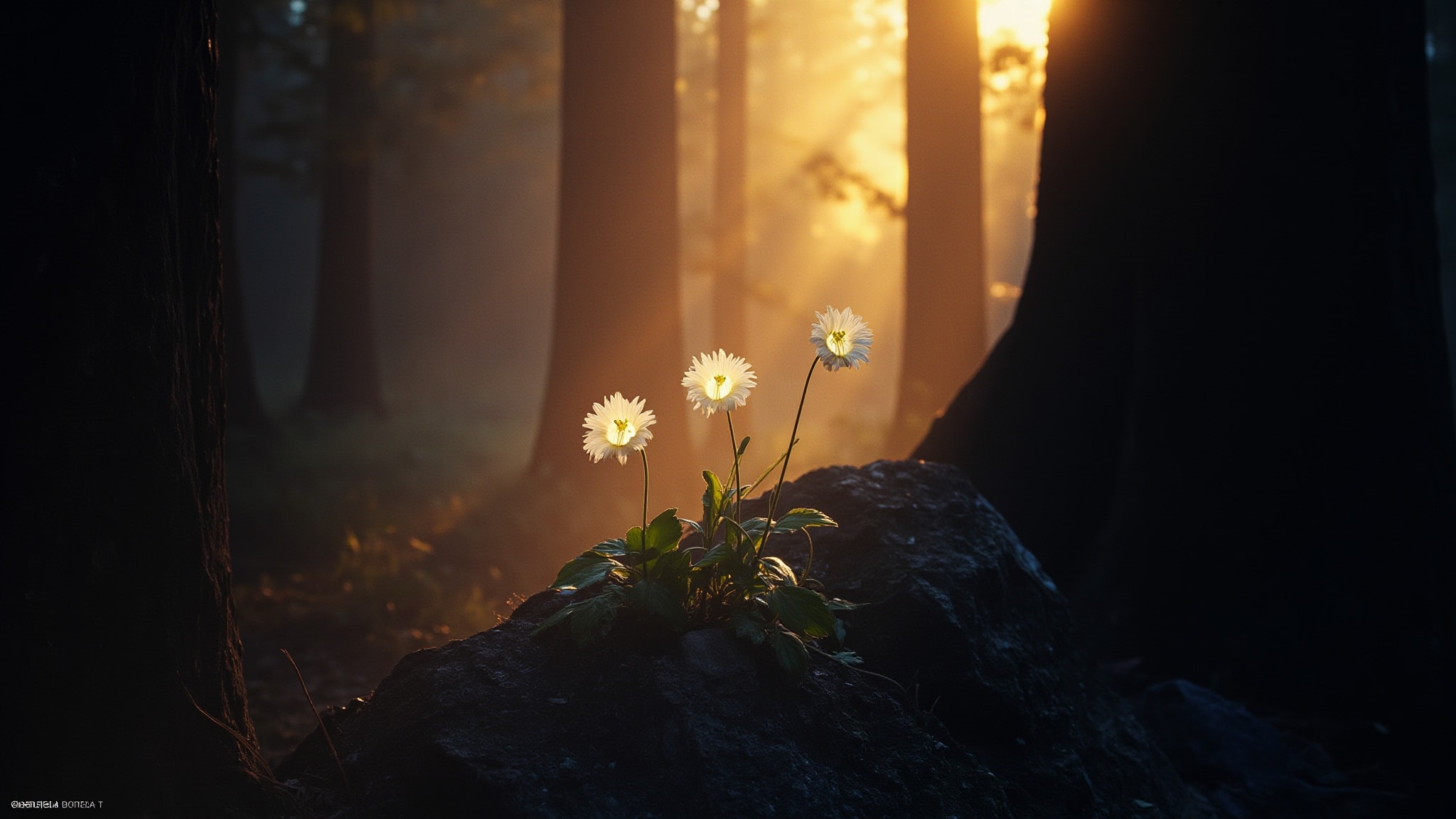
Trillium began with a single flower. The Great White Trillium blooms briefly in the forests of the Pacific Northwest, three white petals, no fragrance of its own, but unmistakable in the way it holds light in shaded woods. Christi Meshell wanted to bottle that feeling. Not the flower's scent, which is almost invisible, but what it represents: rarity, patience, the moment before a forest fully wakes. The name is the brief. The composition is the translation.
What makes Trillium unusual is the tea, not as a passing reference, but as a structural element. Black tea and jasmine tea form a double-layered aromatic foundation that's genuinely uncommon in perfumery. Most fragrances reference tea as a marketing beat. Here, it's the spine of the whole thing, giving the white florals something to rest against. The green-herbal quality from Roman chamomile and green tea keeps it from going too soft, while tolu balsam and cashmere musk add the warmth that turns a botanical exercise into something you want to wear.
The evolution
The opening is cool and botanical, chamomile's herbaceous sweetness, green tea's slight bitterness, the unexpected brightness of mimosa and aglaia arriving like yellow light through leaves. It's the smell of morning, not the smell of performance. The handoff to the heart is seamless: black tea arrives with its tannic structure, coffee blossom softening the dryness into something that actually smells like what you'd drink at breakfast. The floral element shifts from bright to quiet. Hours three through five belong to the base. Jasmine tea and cashmere musk create an intimate trail that stays close to skin, the kind of drydown that someone leaning in will notice, and that's the whole point. The tolu balsam and amber take over around hour six, giving it a powdery warmth that lingers another hour or two on fabric. On the skin, Trillium holds for most of a workday. Moderate sillage. Never shouting.
Cultural impact
Trillium occupies a specific corner of the niche market: collectors who want botanical authenticity over trend-chasing. The tea-and-white-floral combination appeals to wearers who find mainstream florals too heavy and mainstream greens too sharp. At its launch in 2015, it stood apart from the heavier oud and tobacco compositions that dominated niche fragrance at the time, something softer, more contemplative, with the kind of quiet confidence that doesn't need to announce itself.