The Story
Why it exists.
The beginning
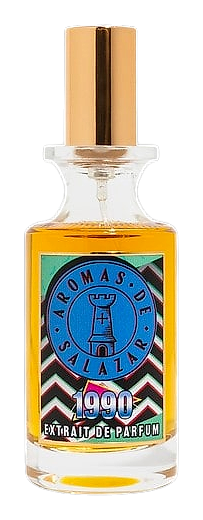
The '90s don't get enough credit in perfumery. It was an era of contradictions, minimal yet maximal, grunge beside glamour. A hotel lobby could smell like hairspray and gardenias and still feel aspirational. That tension between the street and the sophisticated, the natural and the manufactured, found its way into the decade's fragrance palette in ways that still feel fresh. Years later, that specific feeling, the one you can't quite name but recognize instantly, was translated into a fragrance. 1990 is the result: a love letter to an era that refused to pick a lane.
White florals are the most unforgiving category in perfumery. Gardenia can swallow a composition whole. Jasmine sambac requires patience. Tuberose asks you to commit or leave. What makes 1990 work is the counterweight beneath it all, the clementine and coconut that keep it from becoming a museum piece, the blackberry that adds a flash of modern intrigue. The civet isn't hidden; it's the thing that keeps it human. This is a white floral that knows what it wants and isn't sorry about it.
The evolution
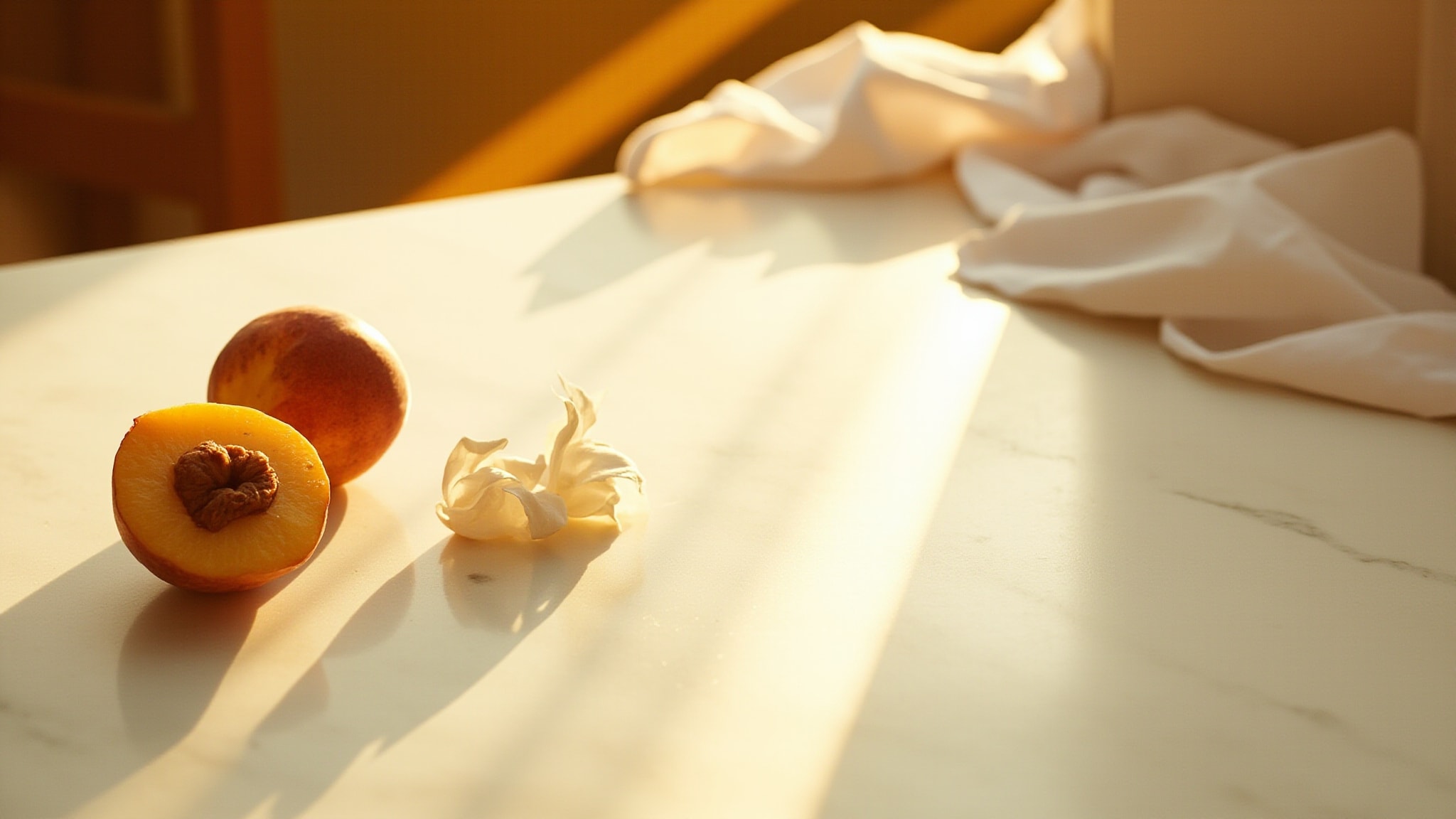
The opening arrives fast, clementine, peach, coconut, blackberry. It's warm and sun-drenched, like light hitting skin through a window. Orange blossom and jasmine sambac slip in within the first minutes, their creaminess tempering the fruit without killing the brightness. Then the heart takes over, slow and insistent. Tuberose, gardenia, honeysuckle, narcissus. This is a garden that doesn't apologize for existing. The base settles eventually, cedar, musk, vanilla absolute, benzoin, and that's when the civet announces itself. Not loud, but present. Skin-like. The kind of thing that makes someone lean in instead of pulling back. The drydown is where this fragrance truly lives, a lingering warmth that refuses to fade quietly. The white florals continue to pulse beneath the woody base, their sweetness softened by the musks and resin.
Cultural impact
1990 channels the unapologetic elegance of iconic '90s white florals but strips away the gendered expectations. It asks nothing of the wearer except willingness to be seen. The fragrance offers a level of floral intensity rarely found in modern indie releases, leaning into tuberose and gardenia with a confidence that feels almost radical in an era of safe, skin-like compositions. Salazar went the other direction, and the result is a fragrance that earns its name. There's nothing tentative about how this scent moves through its phases, from the bright fruit opening to the creamy floral heart to the animalic base.