The Story
Why it exists.
The beginning
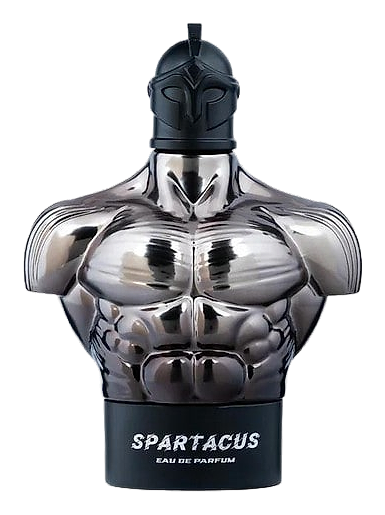
Spartacus arrives from Armaf in 2026, a new entry in the brand's expanding catalog of accessible, high-performance compositions. The name carries the weight of rebellion, of a man who refused the role handed to him. Rather than channeling ancient Rome directly, the composition offers its own reading of that energy. Spicy citrus at the front, a plush gourmand heart, and a base built on amber, woods, and resin. It's an aromatic-woody-vanilla built for presence, not subtlety, released through Sterling Perfumes Industries LLC in the UAE. The opening crackles with the sharp brightness of bergamot laced through cardamom and black pepper, giving the first spritz an almost metallic energy that demands attention.
What sets this composition apart is the deliberate collision between its middle and base. Bourbon vanilla and candied almond create a dessert-leaning heart, but lavender and davana cut through with herbal bitterness, keeping the sweetness from tipping over. Then the base layers praline, tonka, benzoin, and labdanum with patchouli and guaiac wood, turning what could have been a simple gourmand into something darker and resinous. It's the contrast between the gourmand warmth and the woody depth that gives Spartacus its specific gravity, sweet on the surface, grounded underneath.
The evolution
On skin, the first twenty minutes are bright and almost nervous. Bergamot and cardamom lift, cinnamon sharpens, and plum adds a dark fruit sweetness that reads almost wine-like. The transition into the heart happens quietly but firmly. Lavender arrives without announcing its role, bourbon vanilla smooths the edges, and candied almond introduces a marzipan warmth that softens the spice. By the two-hour mark, the composition has settled into its real register. Praline and tonka bean take over, benzoin adds a sticky resinous hum, and patchouli anchors everything from below. The drydown unfolds as a dense blend of amber, musk, labdanum, and guaiac wood that holds its shape on fabric and skin well into the following hours, the base notes taking on a warmer, almost smoky cast as the hours pass. Each stage of the wear reveals a different facet of the composition.
Cultural impact
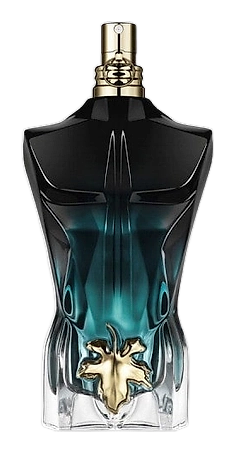
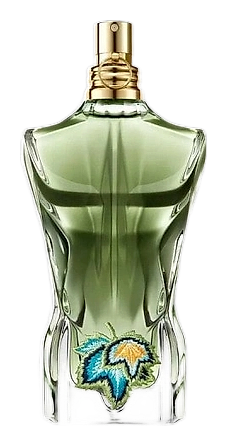
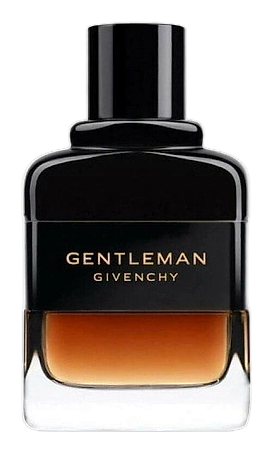
Spartacus draws comparisons to established compositions like Althaïr by Parfums de Marly and Le Mâle Elixir Absolu by Jean Paul Gaultier. The aromatic-woody-vanilla profile places it in the sweet, ambery territory that has come to define a large portion of recent masculine fragrance releases. The composition leans into bourbon vanilla, amber, and tonka bean as its structural foundation, with plum and praline adding a dessert-adjacent sweetness that recalls other gourmand-heavy releases from the past several years.