
The Story
Why it exists.
The beginning
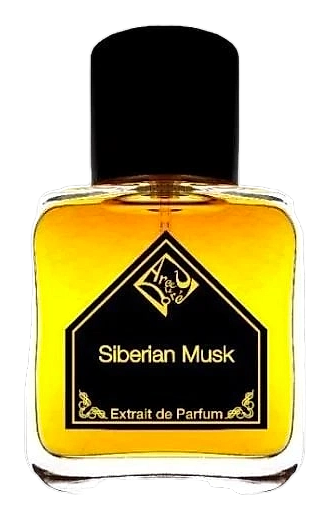
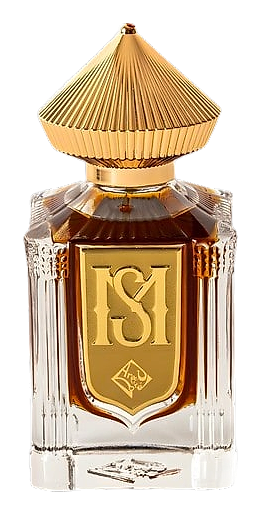
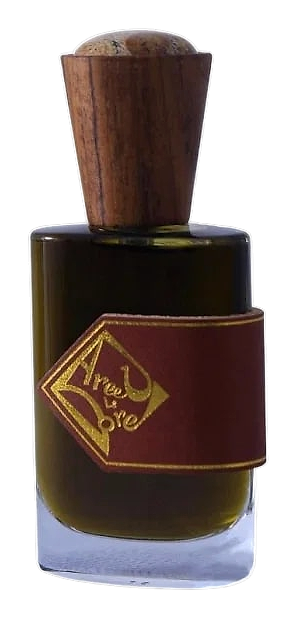
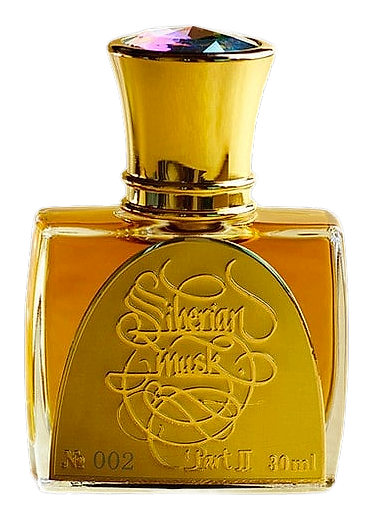
Russian Adam turned his attention back to Siberia for the second chapter. The original Siberian Musk had become one of the house's most sought-after compositions, the kind collectors hunted by scent memory alone. So he returned to the source: wild Siberian deer musk, the same cold-terroir material that made the first chapter remarkable. This time, the formula shifted. Oud entered the base. Australian sandalwood settled beneath the citrus top. Areej Le Doré's second Musk wasn't a repetition, it was a deepening. The 285 bottles that emerged carried the weight of that decision: fewer pieces, same conviction that the scent must earn its place on its own terms.
The deer musk here isn't the polite musks of mainstream perfumery, synthetic cashmere-soft accord. This is the real thing: a material Russian Adam has championed throughout his work, sourced from Siberian deer under proper permits. Blended with New Guinean oud and Australian blue cypress, the composition sits in rarified territory. The green-animal classification from collectors isn't marketing language, it's the honest reading of what these materials do together. Citrus opens cold, pine stretches tall, then the musk asserts itself. This is what happens when a perfumer refuses to compromise on materials and refuses to apologize for the result.
The evolution
The opening hits like stepping from a warm room into frozen air, lime, bergamot, a brightness that cuts. Then the pine arrives. Not the soft cedar of most fragrances. Siberian stone pine: sharp, resinous, vast. It holds for the first hour while the citrus slowly recedes, leaving the cold green accord intact beneath. The transition happens gradually. Orange blossom and galbanum bring a different kind of green, softer, floral-adjacent, earthier. Australian sandalwood threads through, creamier than its Indian counterpart, smoothing the edges. The musk begins to surface, not dominating but asserting itself beneath the structure. By the third hour, the drydown is fully established. Patchouli anchors everything, Indonesian earth, not the cleaned-up version. Amber adds a warmth that reads almost honeyed. The oud sits close to the skin, dark and resinous, while the blue cypress lingers. The animalic note that collectors reference isn't skatole or indole, it's the natural musk of the Siberian deer, present but not aggressive. Ten hours later on most skin.
Cultural impact
Siberian Musk Part II occupies a specific corner of the collector's world: the naturals enthusiast who values authenticity over approachability. The discontinued status and 285-bottle production have made it increasingly sought-after in secondary markets. What distinguishes it from similar niche releases is the quality and sourcing of its musk, a material that divides opinion but, when done right, creates something irreplaceable. The response among serious collectors has been consistent: this is what Areej Le Doré does best, raw materials handled without apology.