The Story
Why it exists.
The beginning
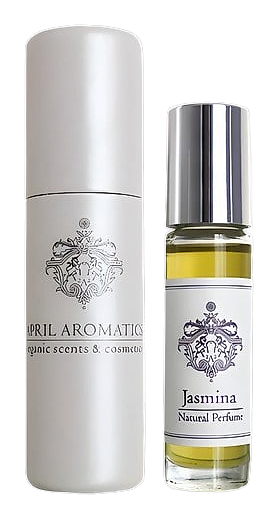
Tanja Bochnig built April Aromatics with a clear intention: fragrance as a direct expression of botanical material. Jasmina sits at the center of that approach. Two species of jasmine, sourced from southern India, distilled through processes that preserve their raw character. The composition reads like a jasmine garden at dusk, where the flowers have stopped being polite and started being themselves. Bochnig named it without flourish. Jasmina. The flower, the person, the word. The brand produces it first as a natural perfume oil and later in an organic alcohol format. Each version lets the raw botanical speak without translation. There's no narrative mythology here, no exoticized origin story.
What makes Jasmina unusual is how little it adds to its central flower. Jasmine grandiflorum and jasmine sambac from India form the spine of the composition, joined by a whisper of ylang-ylang for body and American pink grapefruit to keep the sweetness from collapsing into syrup. The result is a composition that reads as jasmine, ylang, grapefruit, and nothing pretending to be anything else. The naturals are doing real work here. The jasmine oil carries that rubbery, inky quality that only comes from properly extracted absolutes, the kind that smells slightly purple at the back of your tongue.
The evolution
The first impression is almost shocking. Grapefruit arrives sharp and immediate, bright enough to clear the air around you. Quickly the jasmine starts pushing through, dense and almost narcotic. The sambac brings its honeyed warmth while grandiflorum adds that unmistakable indolic edge, the slightly fecal, deeply animal undertone that real jasmine carries when no one is trying to clean it up. As the composition settles, the ylang-ylang emerges, softening the sharper angles without dulling them. The bloom stays dominant for hours, pulsing gently on skin, close enough that you'll catch it every time you move your wrist. There's no dramatic transition into a base; this fragrance doesn't have one in the traditional sense. The jasmine simply mellows, losing its sharper edges while keeping its core warmth. What remains is a skin-close whisper of floral and faint fruit. Nothing projects.
Cultural impact
Jasmina occupies a specific corner of the niche fragrance world: the jasmine soliflore that refuses to apologize for its indolic character. Wearers drawn to natural perfumery find here what they've been looking for, a composition that doesn't dilute its central flower into submission. It's not a fragrance designed to appeal to the widest possible audience. It doesn't try to be. Among natural perfumery enthusiasts, Jasmina has earned recognition for its straightforward commitment to the materials. The fragrance doesn't dress the bloom in synthetic reconstructions or clean it up for broader appeal.