Jasmin Sambac
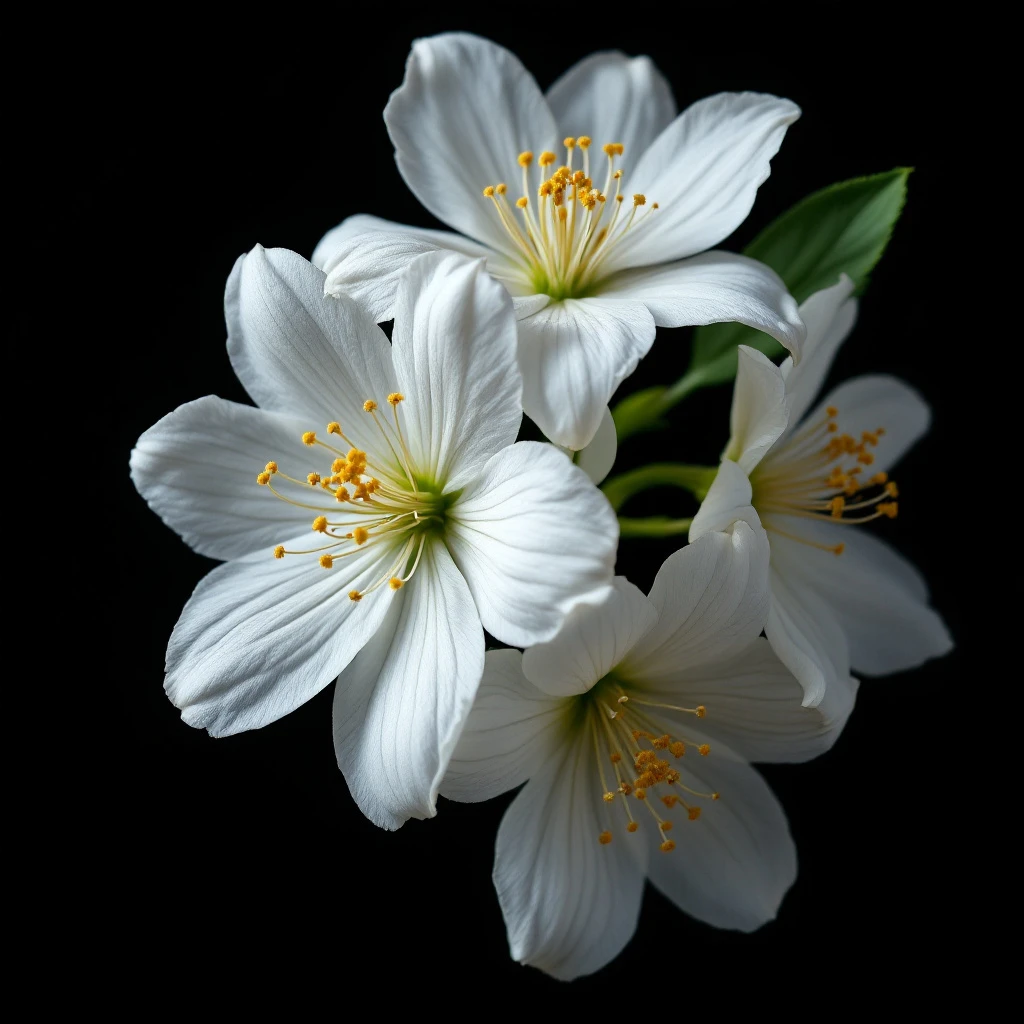
Jasmine Sambac, the night-blooming white flower of South Asia, yields one of perfumery's most prized absolutes. Rich, indolic, and intensely narcotic, it anchors countless luxury compositions with its creamy, almost fruit-like warmth.

Character
How it smells
Intoxicating white petals, bottled.
A single kilogram of jasmine absolute requires roughly 8 million hand-picked blossoms, harvested only at dawn before the sun diminishes their potency.
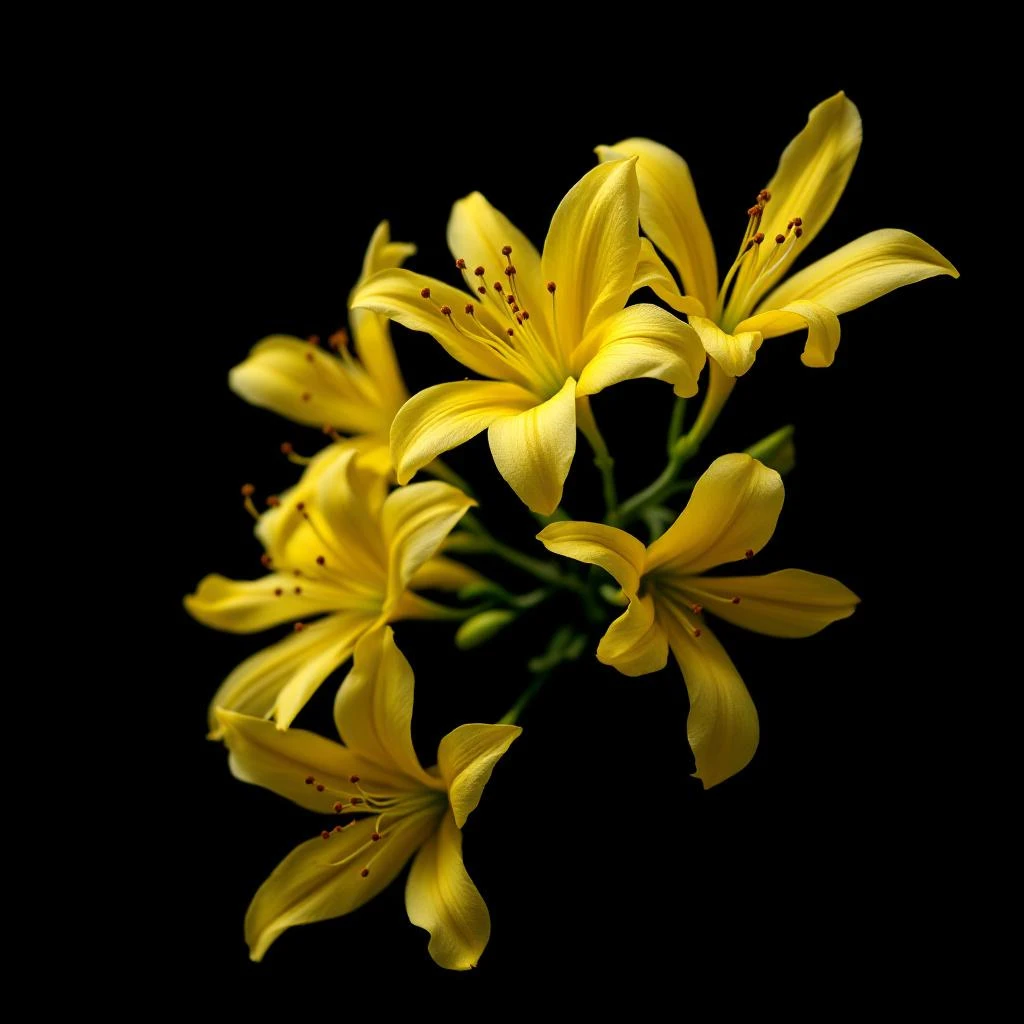
Pairs beautifully with

Origin
India
Jasmine Sambac, Jasminum sambac, originated in the region spanning eastern India and southern China, where it has been cultivated for over 3,000 years. The flower holds sacred status in Hindu and Buddhist traditions, commonly used in temple garlands, religious offerings, and bridal ceremonies. Its arrival in the Middle East occurred through ancient trade routes, eventually reaching Egypt by the medieval period.
In the 17th century, Jasmine Sambac traveled to the Philippines via Spanish galleons, becoming the national flower. French perfumers recognized its exceptional aromatic qualities in the 19th century, incorporating it into Grasse-based productions, though today India remains the primary cultivator. The species belongs to the Oleaceae family, the same as olive trees, a connection that surprises many who encounter this botanical classification for the first time.
Jasmine Sambac absolute became a cornerstone of haute perfumery throughout the 20th century, defining oriental and floral families.
Wears it best
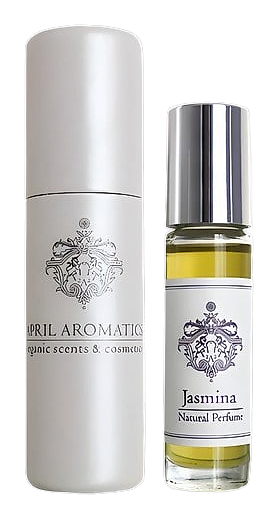
Fragrances featuring Jasmin Sambac
Brands
Brands known for Jasmin Sambac
Good to know
Questions, answered
The essentials on Jasmin Sambac in perfumery: how it smells, where it comes from, and how it behaves on skin.
What does Jasmine Sambac smell like in perfumery?
Jasmine Sambac produces a rich, intensely floral scent with indolic warmth, creamy undertones, and subtle fruity nuances. It is heavier and more narcotic than Jasmine Grandiflorum, lending depth and sensuality to compositions.
Where is Jasmine Sambac primarily cultivated?
India is the world's largest producer of Jasmine Sambac, particularly in Tamil Nadu and Karnataka. Egypt also cultivates significant quantities, though most global supply originates from southern Indian growing regions.
How is Jasmine Sambac absolute extracted?
Freshly picked blossoms undergo solvent extraction using hexane to produce a waxy concrete. Alcohol washing then separates the absolute, preserving delicate aromatic compounds that heat-based methods would degrade.
Why is Jasmine Sambac so expensive?
The flowers must be hand-harvested at dawn, and approximately 8,000 blossoms yield just one gram of absolute. This labor-intensive process, combined with low yield per flower, drives premium pricing.
What's the difference between Jasmine Sambac and Grandiflorum?
Sambac offers a creamier, more indolic profile with fruity and animalic undertones. Grandiflorum delivers a brighter, more ethereal jasmine character with green and tea-like facets. Both belong to different species.
Can Jasmine Sambac be steam distilled?
No, steam distillation destroys the delicate volatile compounds that define Jasmine Sambac's scent. Solvent extraction is the industry-standard method for capturing its full aromatic complexity without thermal degradation.
Is Jasmine Sambac safe for skin in perfumes?
Yes, jasmine absolute is widely used in commercial perfumery at safe concentrations. However, it contains trace benzyl benzoate and other sensitizers, so EU regulations restrict dosage levels in leave-on products.
What fragrance families commonly feature Jasmine Sambac?
Jasmine Sambac anchors oriental, floral, and gourmand compositions. It appears prominently in luxury soliflores, modern ambers, and white floral bouquets where its creamy warmth provides structural depth.




