
The Story
Why it exists.
The beginning
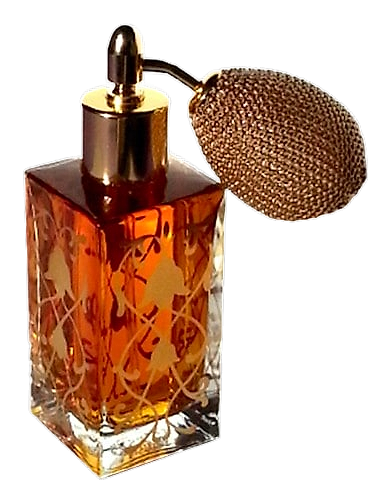
Sonnet 18 takes its name from Shakespeare's most enduring love poem, the one that asks what could possibly preserve a summer's day, and answers: this. Forever, in ink. The fragrance is a study in golden light, specifically the quality of afternoon sun through flowering linden trees, the kind of warmth that makes you understand why the poem keeps going. The linden blossom opens with a creamy sweetness and a faintly green undertone that suggests sap and bark beneath the petals. Orange blossom and jasmine sambac arrive in close succession, amplifying the floral body until the air around you holds the full weight of a summer afternoon. Honey appears without announcement, rounding the florals into something deeper and more golden, the way late light turns everything amber before it goes.
What makes the heart of Sonnet 18 unusual is the density of yellow florals working in concert. Linden blossom CO2, broom, mimosa, and Bulgarian rose don't typically share a pyramid, linden brings a green, almost hay-like warmth, while broom and mimosa add a faintly powdery, waxy depth that rounds what could have been a sharp floral into something settled and familiar. Honey absolute doesn't just sweeten the base; it connects the layers, making the citrus top feel like the beginning of the same sentence the drydown finishes. The result is a fragrance that doesn't evolve into something different, it evolves into more of itself.
The evolution
The opening arrives quickly: citrus that doesn't tease or hint. Bergamot, mandarin leaf, red bitter orange, a triple brightness that reads like light through glass. The florals move in with a confident warmth. Linden blossom leads, but orange blossom and jasmine sambac follow close enough that the transition feels like the warmth arriving rather than one note replacing another. The honey settles the florals into something deeper and more golden. The base provides structure: sandalwood and cedarwood, vanilla absolute and tonka bean adding warmth without sweetness overload, and a thread of ambrette musk mallow that introduces a quiet animalic quality keeping the drydown from reading as purely pretty. What remains is close, warm, and distinctly honeyed, the kind of trace that makes you lean your wrist toward your face without realizing it.
Cultural impact
Among collectors who seek intensity and natural materials in equal measure, Annette Neuffer's work commands devoted attention. Sonnet 18 offers honeyed warmth and notable longevity, standing as an example of what natural perfumery can achieve. The sillage is intimate by design: this is fragrance for the wearer, not the room. Those who find it tend to keep returning, drawn by the way the honeyed warmth and layered florals settle close to the skin and evolve through hours of wear.