Red Bitter Orange
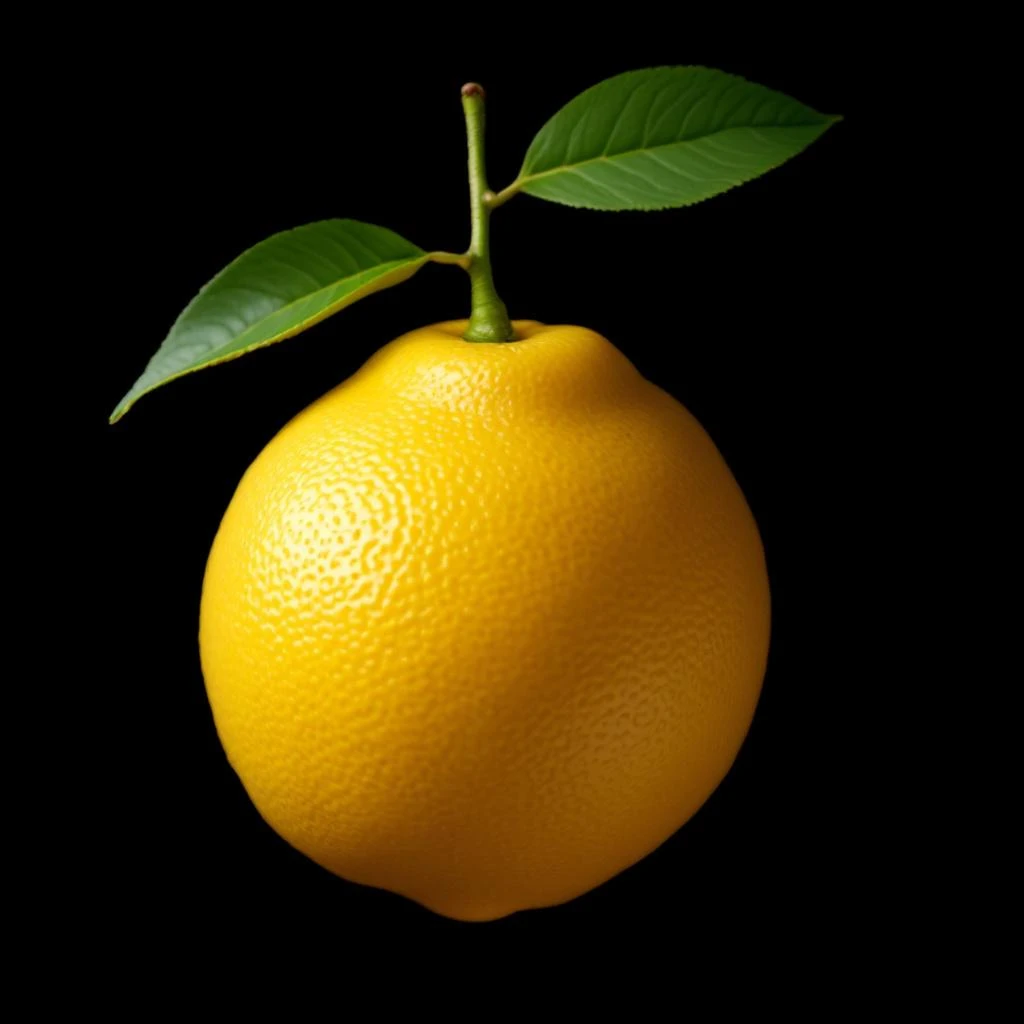
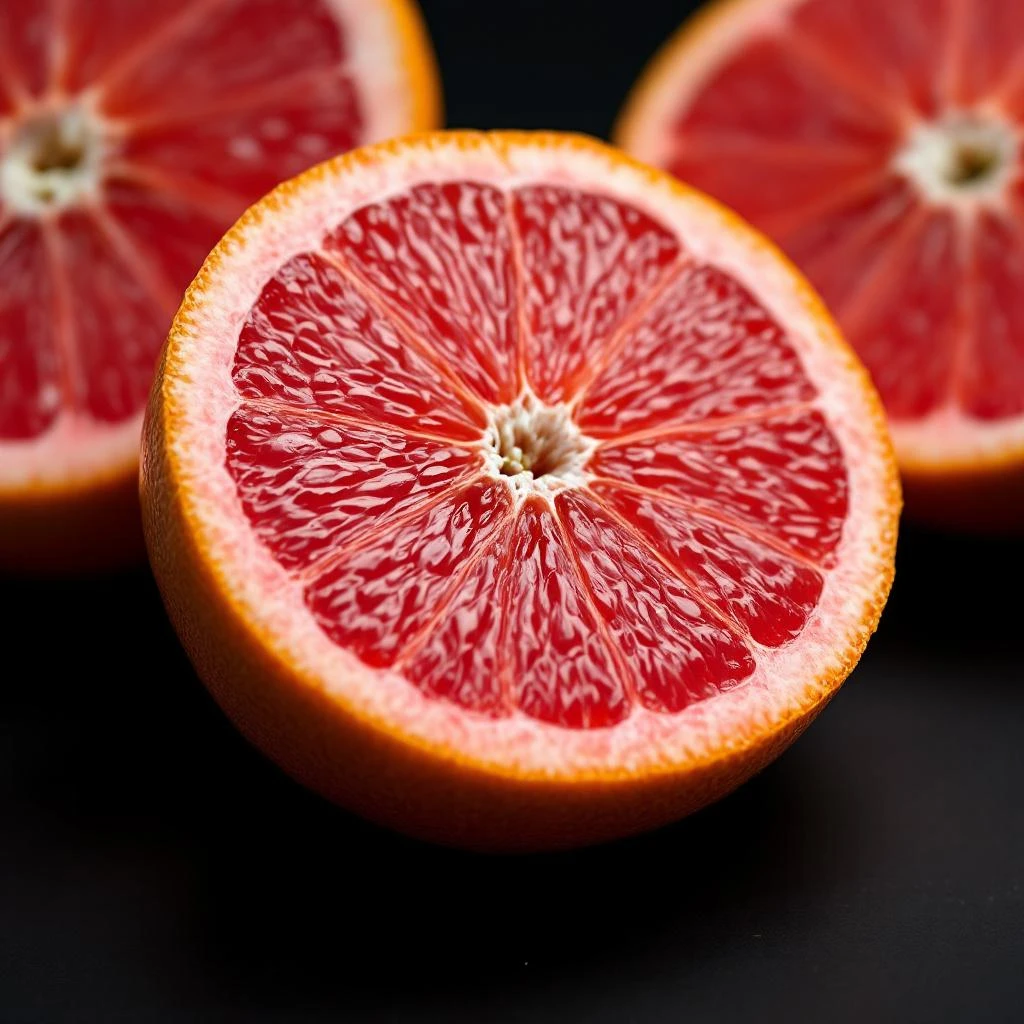
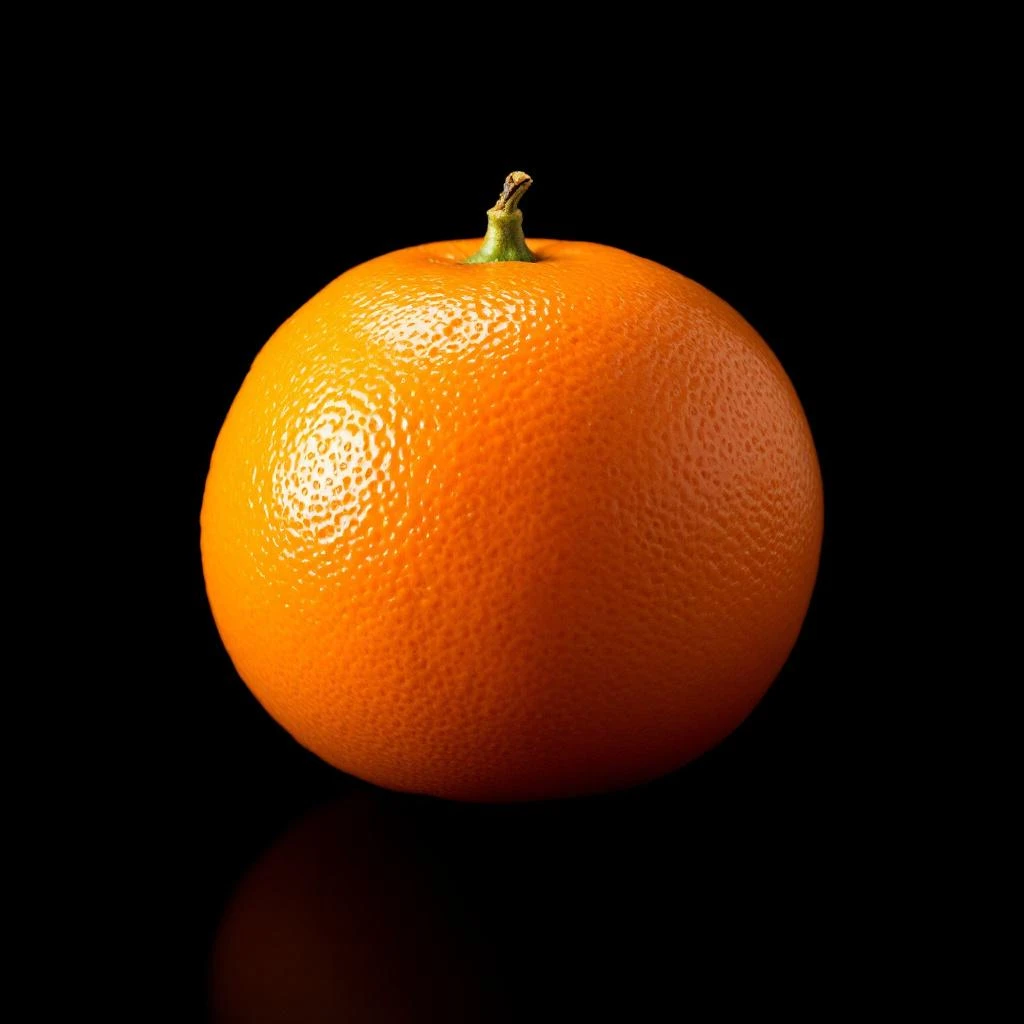
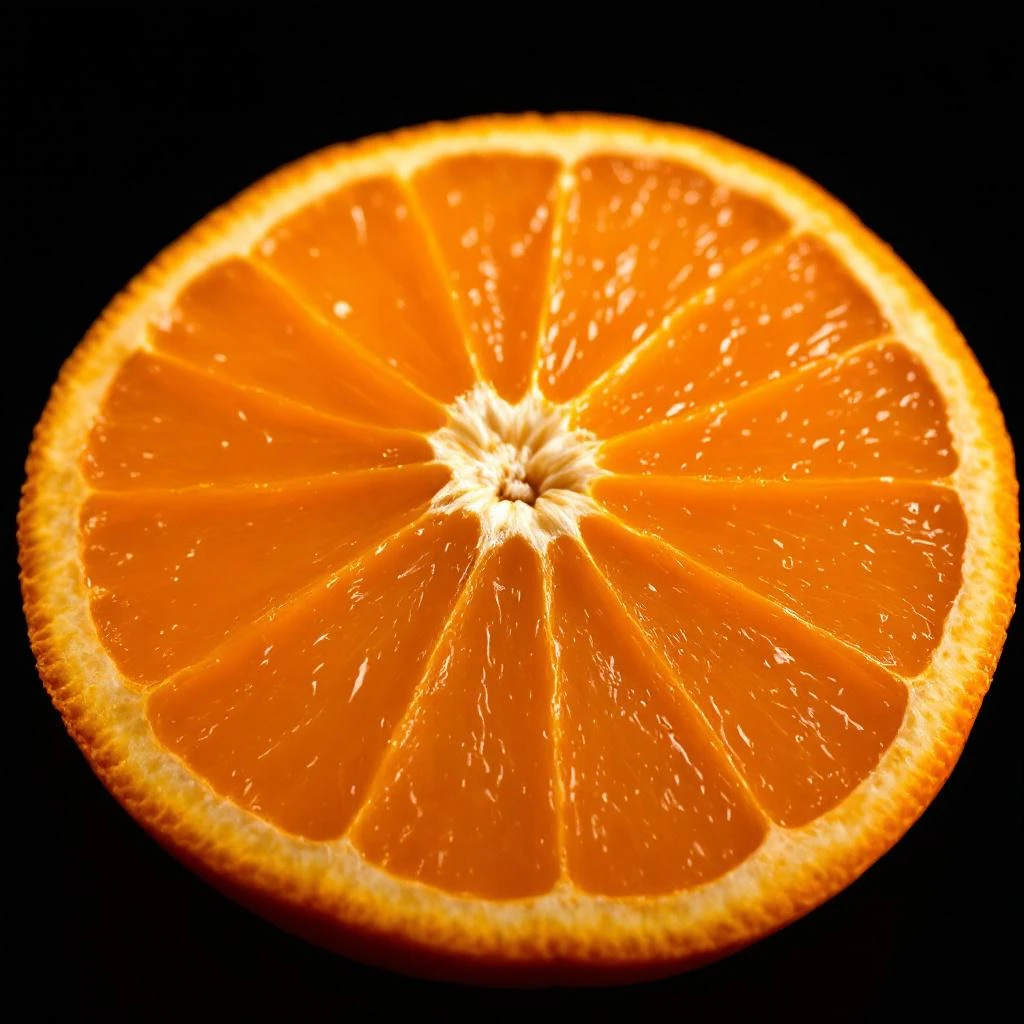
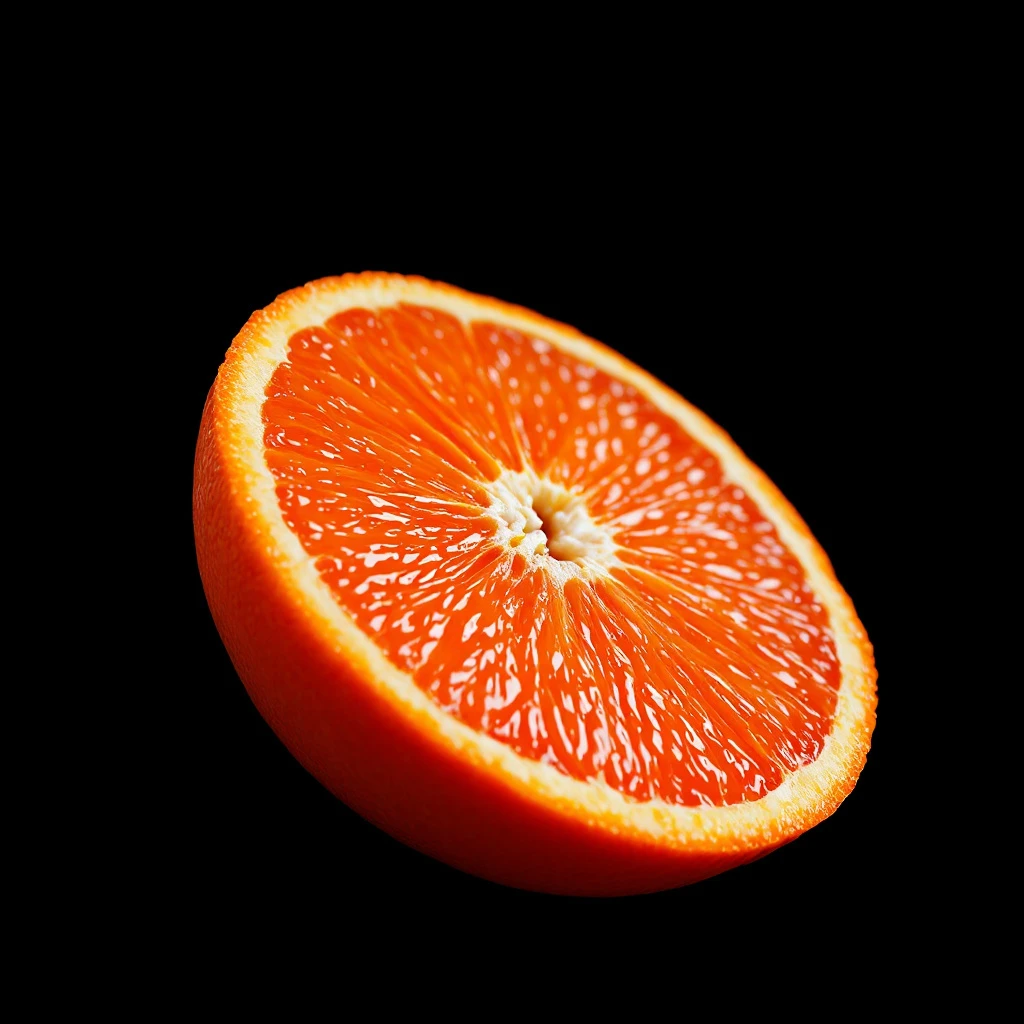
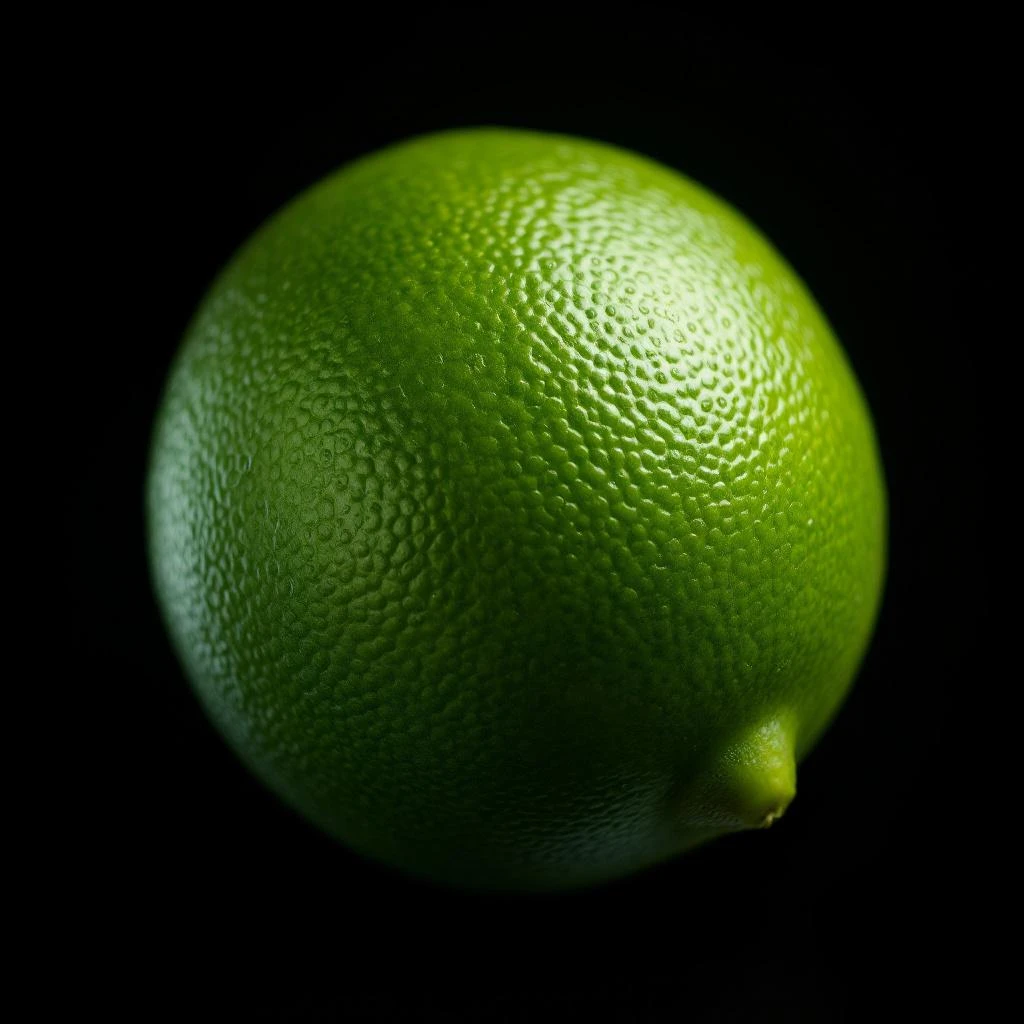
The tart, vibrant peel of Citrus aurantium delivers a sharp citrus punch with bitter undertones. Unlike sweet orange, it carries a complex, almost floral bitterness that adds depth and lift to fragrance compositions.
Character
How it smells
Sharp citrus with bitter depth and floral nuance.
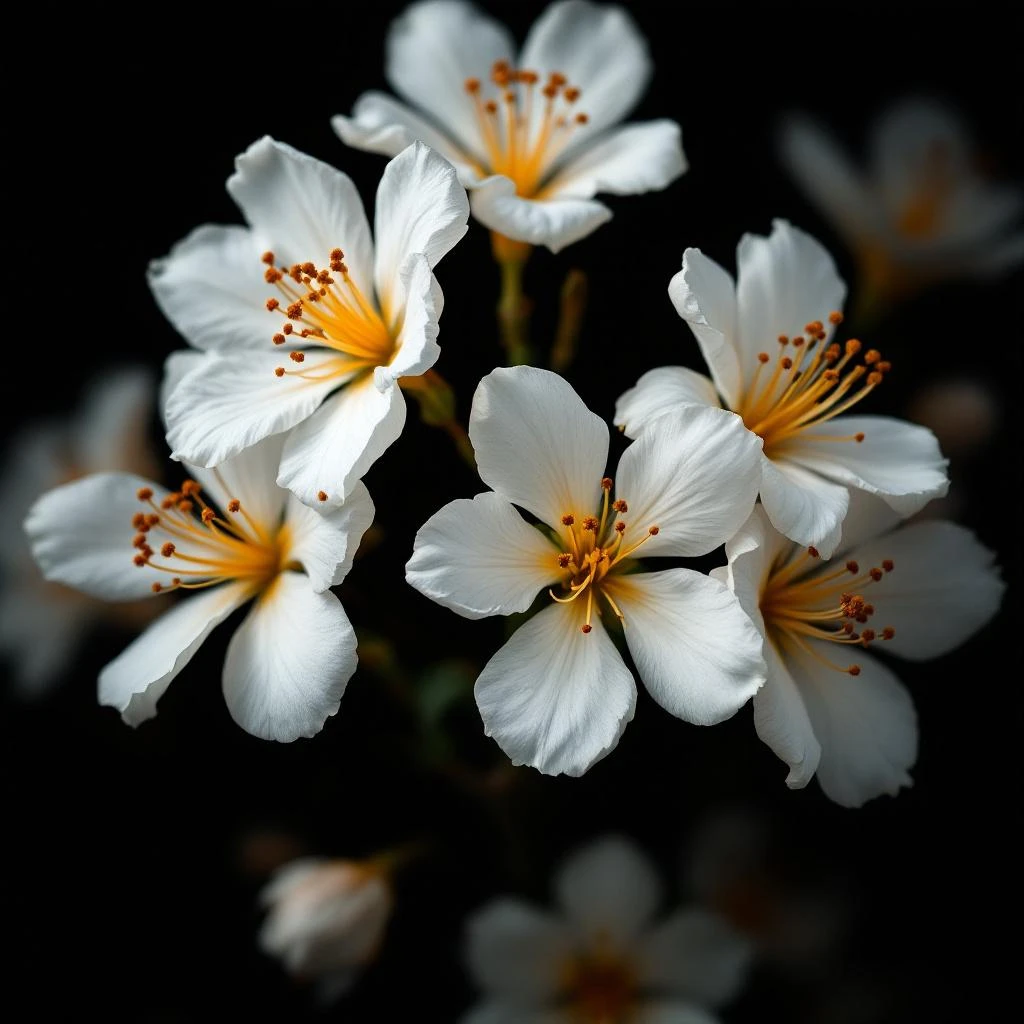
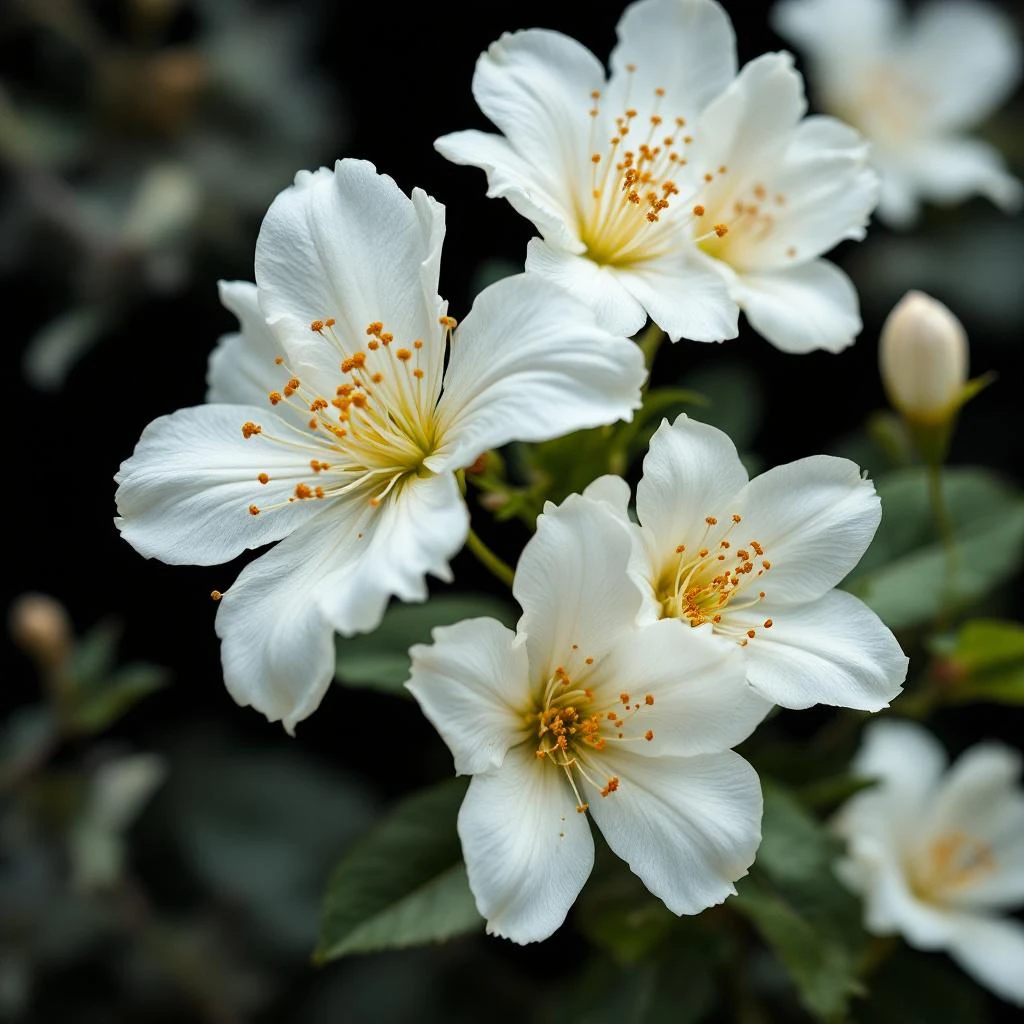
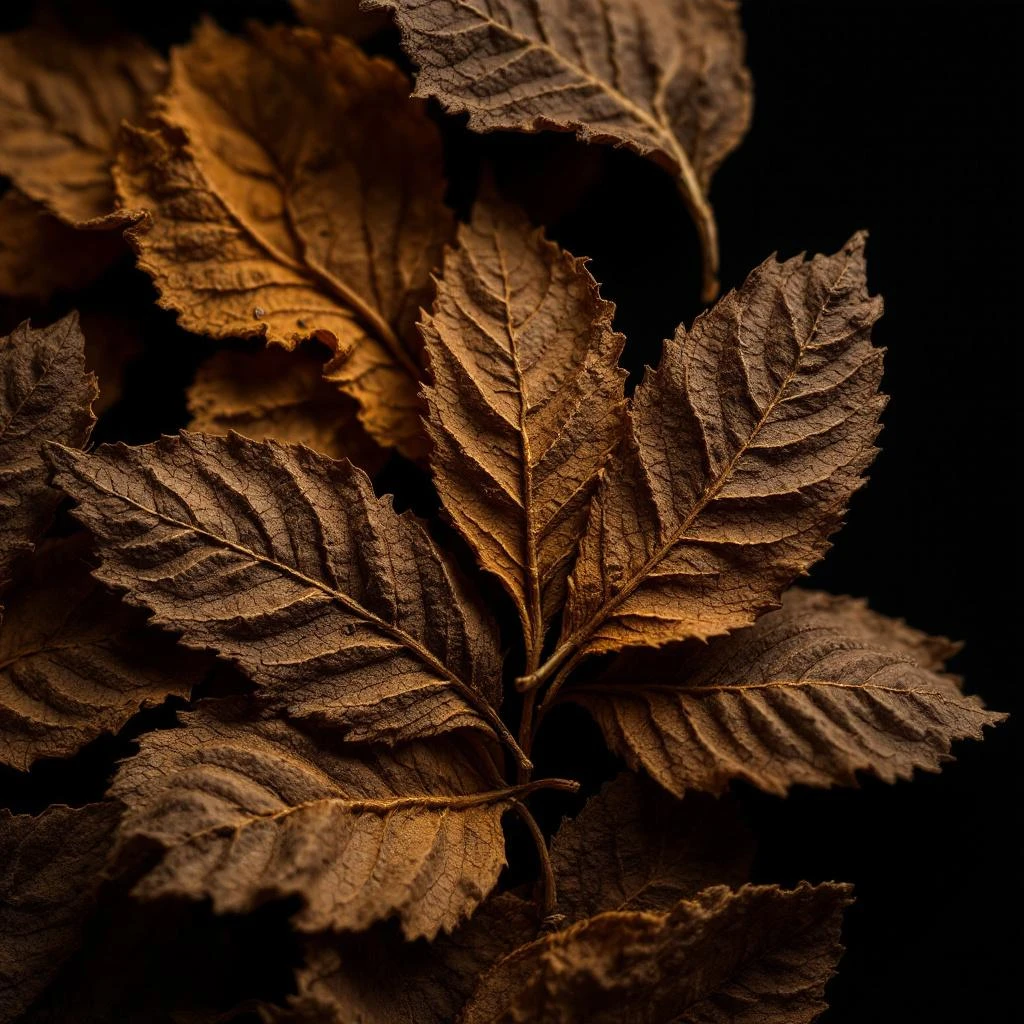
The bitter orange tree yields three perfumery treasures: neroli from blossoms, petitgrain from leaves, and bitter orange oil from the peel.




Origin
India
Bitter orange traces its roots to northeastern India and southern China, where it flourished for centuries before beginning its long westward journey. By the 1st century CE, Arab traders carried the fruit across the Persian Gulf into Syria, Egypt, and the Mediterranean. The Romans embraced the bitter variety enthusiastically, introducing it throughout their empire.
The Crusaders later brought the tree to Northern Europe, where it found favor in monastery gardens and aristocratic estates. Unlike sweet orange, which arrived much later from China via Portuguese trading routes in the 16th century, bitter orange established itself as the primary citrus of medieval Europe. Its versatility made it invaluable: the fruit for preserves and liqueurs, the flowers for religious ceremonies, the leaves for medicinal preparations, and eventually the peel for perfumery.
By the 17th century, Italian perfumer Gian Paolo Feminis had formalized orange blossom distillation, creating what would become neroli. This ancient citrus thus seeded an entire perfumery tradition that spans continents and centuries.
Wears it best
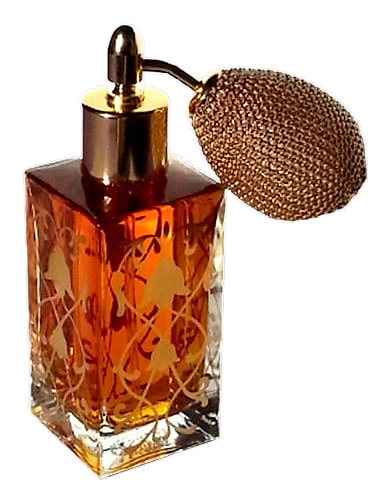
Fragrances featuring Red Bitter Orange
Brands
Brands known for Red Bitter Orange
Good to know
Questions, answered
The essentials on Red Bitter Orange in perfumery: how it smells, where it comes from, and how it behaves on skin.
What does bitter orange oil smell like?
It smells sharply citrusy with bitter, almost astringent undertones and subtle floral hints. The peel oil is more complex than sweet orange, combining tart freshness with a darker, more sophisticated character.
Where does commercial bitter orange oil come from?
Egypt, Morocco, and Tunisia are the primary producers. These North African nations offer the warm, dry conditions that produce fruit with highly aromatic peels.
How does bitter orange differ from sweet orange in perfumery?
Bitter orange is more complex, with a floral-bitter edge and greater olfactory depth. Sweet orange offers straightforward, bright citrus. Bitter orange adds sophistication and works better in nuanced compositions.
Is bitter orange oil phototoxic?
Yes, cold-pressed bitter orange oil contains furanocoumarins that increase skin photosensitivity. Perfumers typically use distilled or folded versions for leave-on skin products to mitigate this risk.
What parts of the bitter orange tree are used in perfumery?
Three distinct materials exist: neroli from blossoms, petitgrain from leaves and twigs, and bitter orange oil from the peel. Each offers a different facet of the same botanical.
What fragrance families pair well with bitter orange?
It excels in citrus, chypre, and fougère structures. It adds brightness to woody and aromatic compositions and provides an interesting counterpoint in floral and oriental fragrances.
What is the historical significance of bitter orange?
The tree traveled from China to India, then the Mediterranean via Roman and Arab trade by the 1st century CE. Crusaders later spread it through Europe, making it the first widely cultivated orange in Western perfumery.
What distinguishes petitgrain from bitter orange peel oil?
Petitgrain comes from the leaves and twigs, offering a green, slightly woody citrus character. Peel oil is brighter, sharper, and more intensely aromatic. They share botanical origins but smell distinctly different.