
The Story
Why it exists.
The beginning
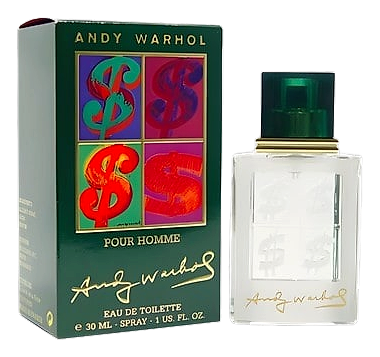
Dorothée Piot created Andy Warhol pour Homme in 1999 as part of the Andy Warhol fragrance collection, a line built on the belief that perfume functions as olfactory memoir. One fragrance documenting one period of life. The pour Homme variant entered the aromatic fougère category, a classical masculine structure that Piot translated through her own sensibility. She chose herbs over citrus for the opening, grounding the composition in green rather than bright.
The combination of basil and tarragon as primary top notes is unusual in masculine fragrance. These are kitchen herbs, cooking ingredients, deployed in a fougère context where citrus typically dominates. Cardamom in the heart adds a spiced floral dimension that most fougères skip entirely, and the woody base of cedar, oakmoss, sandalwood, and musk draws from the genre's 1970s roots while keeping the overall feel synthetic-green and contemporary. Piot constructed this as an herbal argument against sweetness, a fougère for someone who finds most masculine fragrances too warm.
The evolution
The opening arrives loud and green, tarragon's anise edge cutting through basil's herbal bite. Thirty minutes in, jasmine softens the aggression while cardamom adds warmth underneath. The transition feels like watching a crowd thin: what was sharp becomes intimate. By hour two, the green quality recedes and cedar emerges, working alongside sandalwood and oakmoss in a dry, slightly mossy drydown that clings close. Musk stays close to skin. Sillage drops to intimate by hour three. Four to six hours of presence on most skin, quiet enough to need leaning in. On fabric the next morning: cedar and oakmoss, faint but persistent.
Cultural impact
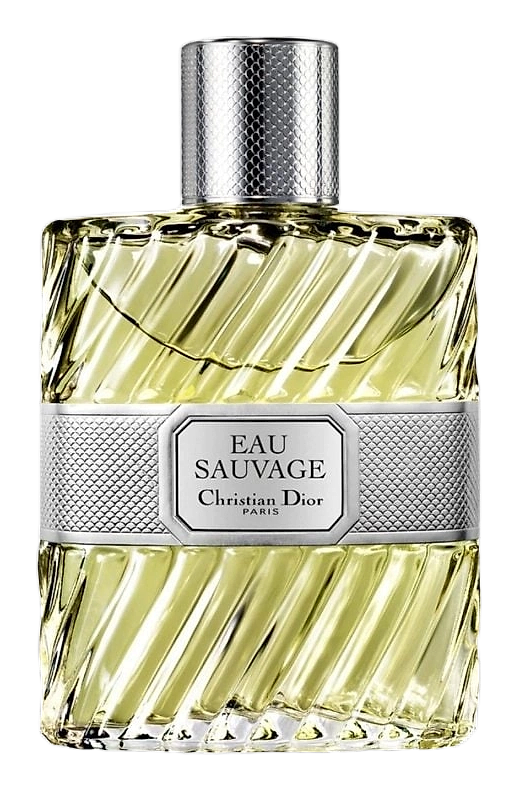
Andy Warhol pour Homme occupies an unusual position in the Warhol fragrance line, it arrived in 1999 alongside the original Andy Warhol fragrance, both marking the brand's debut in scent. The fragrance has attracted buyers who appreciate its restraint over projection, its herbal honesty over masculine sweetness. Community responses reflect genuine division: some find it unremarkable next to Warhol's art, others find it quietly brilliant. Comparisons to Azzaro pour Homme, Chanel Pour Monsieur, and Dior Eau Sauvage surface regularly among those seeking similar classical masculine structures. The 1999 launch date places it in a transitional era for designer fragrance, after the 1980s boom but before niche displaced mass-market artistry as the default for interesting scent.