    Home/Brands/Andy Warhol
    Brand Profile

    Andy Warhol

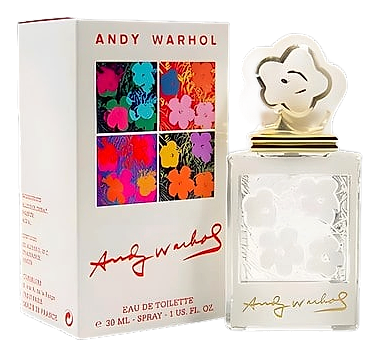
    Warhol's fragrance line translates the Pop Art icon's obsession with scent into wearable art. Launched in 1999, the collection draws from his documented love of perfume—his belief that wearing one fragrance could document a moment in time. The bottles carry his signature aesthetic, transforming scent into collectible objects that blur commerce and creativity. Each release functions as both perfume and cultural artifact, continuing his lifelong project of elevating the everyday into art.

    United StatesEst. 1999
    7
    Fragrances
    3.6
    Avg rating
    Shop the collection
    SignatureAndy Warhol
    Andy Warhol
    EDT
    Community
    3.6
    Average rating
    across 7 fragrances
    Collection
    7
    Fragrances and counting
    Heritage
    1999
    Founded in United States

    Heritage

    A house, in its own words

    Warhol's relationship with perfume predates the brand itself. In the mid-1950s, Bonwit's department store commissioned him to create window displays for established fragrances including Arpege, MaGriffe, and Miss. This early commercial work revealed his fascination with fragrance as cultural artifact. Warhol collected perfume before perfume collecting became a culture. He did not collect bottles to own them. He saw fragrance as a way to document his life, believing in wearing one perfume during specific periods. This practice functioned as olfactory memoir—a scented timestamp of lived experience. At a 1986 promotional event hosted by The Estée Lauder Companies, Warhol was introduced to Beautiful. He shared his passion directly with Evelyn Lauder, demonstrating the genuine depth of his obsession. He also created Chanel-inspired artworks, treating commercial fragrance as worthy subject matter for fine art. Production of Andy Warhol fragrances launched in 1999, seven years after his death. His estate, The Andy Warhol Foundation for the Visual Arts, authorized the licensing of his name and imagery. The brand represents a rare case where a fragrance line inherits both the name and the genuine documented enthusiasm of its namesake.

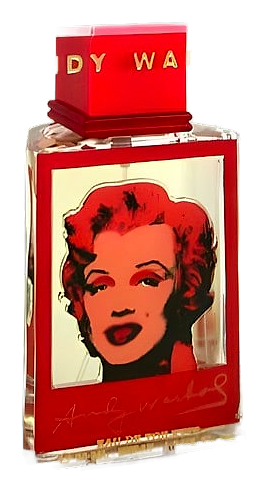
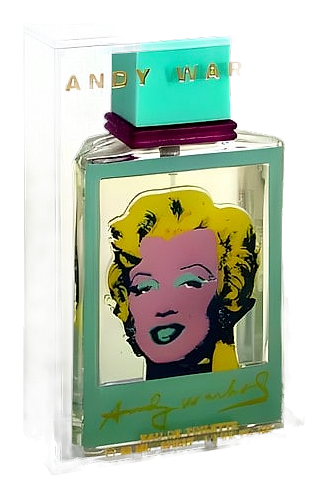
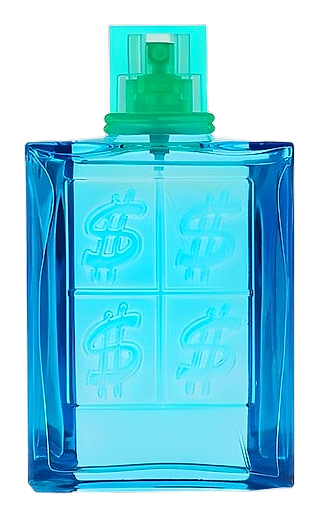
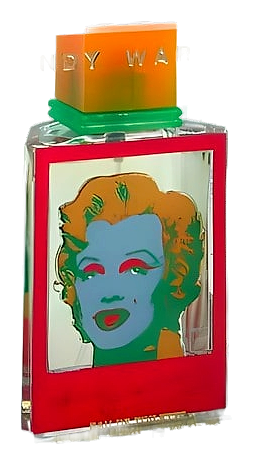
    Warhol approached fragrance as documentation, not decoration. His belief that one perfume could mark a specific period of life reflects his broader philosophy: ordinary objects carry extraordinary cultural weight when properly observed. The fragrance line extends this thinking into a commercial medium he famously embraced. The brand operates at the intersection of art and commerce—territory Warhol pioneered. He famously claimed that good business is the best art. The fragrance collection embodies this tension, creating objects that function simultaneously as perfumes and as art objects. Each release references his iconic imagery. The Marilyn line draws from his repeated silkscreen portraits of Marilyn Monroe, transforming mass-produced celebrity into scent. The Pop line echoes his repetition of consumer goods, asking whether perfume functions differently when framed as pop art. The brand does not position itself within traditional luxury fragrance discourse. Instead, it offers collectors and Warhol enthusiasts a way to wear his aesthetic—a scented extension of his documented obsessions with commerce, celebrity, and the everyday.

    1955
    Bonwit's department store commissions Warhol to design window displays for perfumes including Arpege, MaGriffe, and Miss, establishing his early commercial relationship with fragrance.
    1986
    Warhol attends an Estée Lauder promotional event where Evelyn Lauder introduces him to Beautiful. He shares his documented passion for perfume collection.
    1987
    Warhol dies. His estate, The Andy Warhol Foundation for the Visual Arts, eventually licenses his name and imagery for fragrance production.
    1999
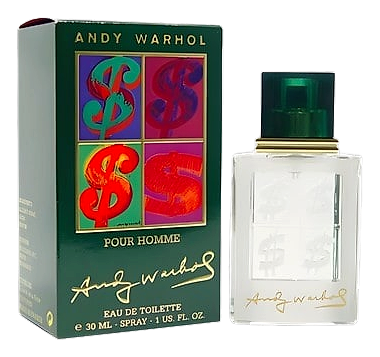
    First official Andy Warhol fragrances launch: Andy Warhol and Andy Warhol pour Homme, marking the beginning of the branded fragrance collection.
    2001
    The Marilyn fragrance trio releases (Marilyn Bleu, Marilyn Rouge, Marilyn Rose), directly referencing Warhol's iconic silkscreen portraits.
    2005
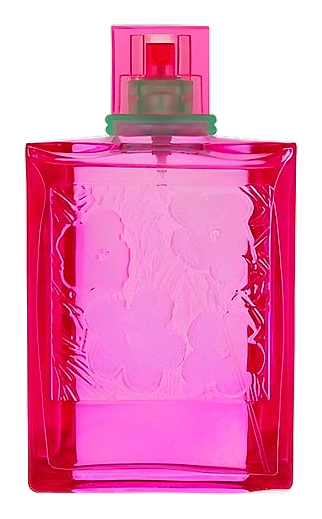
    Pop pour Homme and Pop pour Femme launch, completing the core collection with fragrances that echo Warhol's treatment of consumer objects as art.

    Did you know?

    Interesting facts

    01

    Warhol created Chanel-inspired artworks, treating commercial fragrance as worthy subject matter for fine art.

    02

    He wore one perfume exclusively during specific periods of his life, using scent to document his experiences chronologically.

    03

    His personal fragrance collection reportedly numbered in the hundreds, assembled before perfume collecting became mainstream culture.

    04

    An unauthorized fragrance called 'Andy' was reportedly produced during his lifetime, generating controversy similar to his other boundary-pushing projects.