
The Story
Why it exists.
The beginning
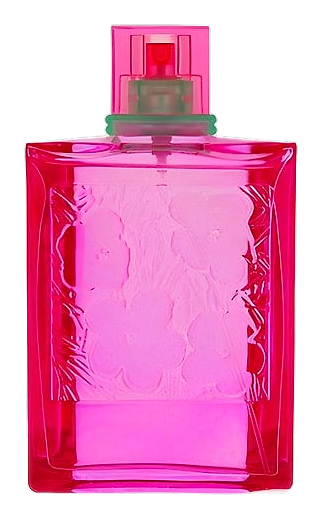
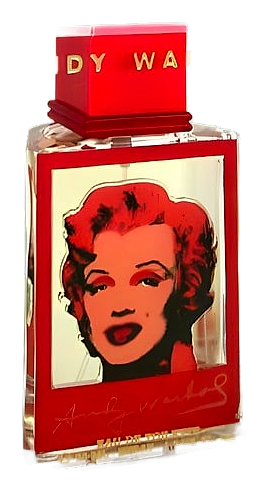
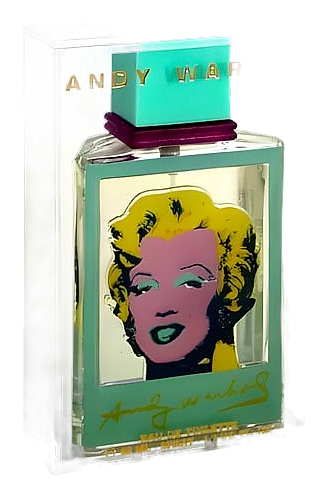
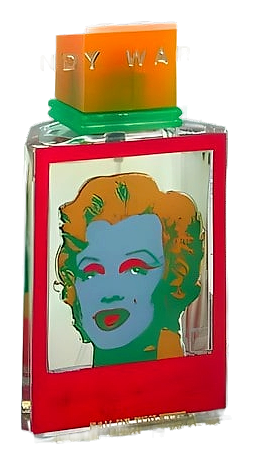
Marilyn Bleu, Marilyn Rouge, Marilyn Rose. Each one a different angle on the same icon. Domitille Michalon-Bertier built Rose around fruit and florals, but kept the hand light. No heavy orientalism, no powder-bomb closing. The composition opens with bright, clean fruit notes that feel tart and inviting. Blackcurrant provides an immediate spark of acidity, while white peach softens into something rounder and gentler. Underneath, subtle green tones keep everything from feeling too sweet or fleeting. As it develops, jasmine emerges more prominently, allowed to breathe by the transparent quality of the top notes. The whole thing wears close to the skin, confident without being loud, the kind of scent you reach for without thinking twice.
What makes Marilyn Rose unusual isn't any single note, it's the structure. The green notes aren't leafy or vegetal; they're more like the absence of weight, a transparent quality that lets the jasmine breathe. Combined with aquatic notes, it creates a sensation of openness that many floral-fruity fragrances skip. The aquatic here isn't a sharp ozonic burst; it's woven into the florals in a way that expands the jasmine rather than overwhelming it.
The evolution
The opening is quick and bright, blackcurrant and white peach arrive together, tart and clean, almost like a skincare product for a moment before the green jasmine takes over. That handoff is the heart of the fragrance: a gentle floral that never gets heavy, never saturates. The aquatic notes weave through everything, keeping the composition transparent. Two hours in, the sandalwood surfaces, soft, creamy, the only warmth in an otherwise cool structure. By hour four, it's intimate and close, a skin-scent more than a room-filler. What lingers is clean. Not soapy. Not aquatic. Just the faint impression of something well-made.
Cultural impact
Marilyn Rose occupies a quiet corner of early-2000s perfumery. It distinguished itself through restraint and the Warhol name on the bottle. What it offered wasn't novelty, it was credibility. For buyers drawn to the Warhol association, Rose provided an entry point that felt approachable and refined. The fragrance doesn't dominate rooms or start conversations. It settles into a space with quiet assurance, the kind of presence that reads as genuine confidence rather than effort. You notice it when it's there and you miss it when it's gone, but it never needed to prove anything to be noticed in the first place.
The House
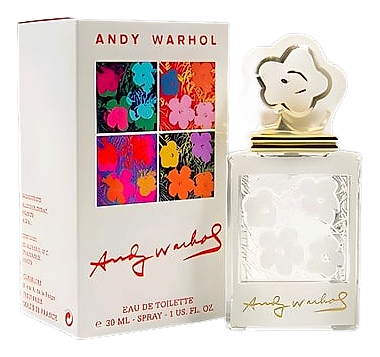
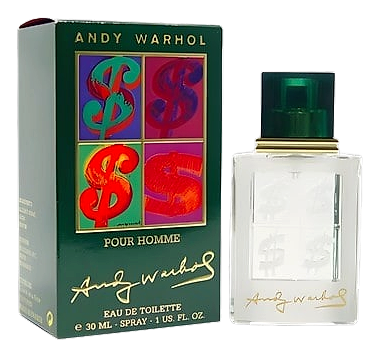
Andy WarholWarhol's fragrance line translates the Pop Art icon's obsession with scent into wearable art. Launched in 1999, the collection draws from his documented love of perfume—his belief that wearing one fragrance could document a moment in time. The bottles carry his signature aesthetic, transforming scent into collectible objects that blur commerce and creativity. Each release functions as both perfume and cultural artifact, continuing his lifelong project of elevating the everyday into art.
The Creator
Domitille Michalon-BertierDomitille favors natural ingredients and makes a point of exploring new raw materials to expand her palette continuously. Her signature reads as vibrant and dynamic, drawing comparisons to jazz's unexpected harmonies or the layered tension of noir fiction.