
The Story
Why it exists.
The beginning
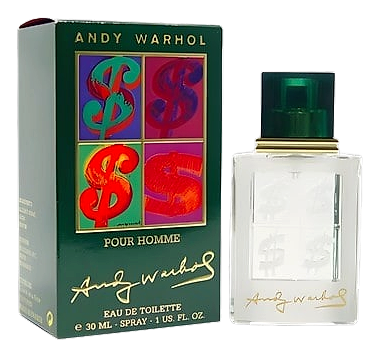
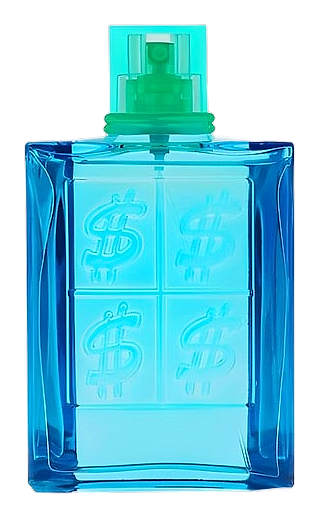
Warhol wore one fragrance per period of his life, not as habit, but as documentation. A scented timestamp of lived experience. Pop pour Homme, released in 2005, applies this logic to mass production: what happens when the concept of the singular scent gets multiplied for everyone? The question is the point. Perfumer Ilias Ermenidis translated documented intimacy into something reproducible by design. Sparse materials. Clear intent. Two notes doing exactly what they need to do. That's the Pop Art gesture, not the object itself, but the decision to make it.
The sparse structure isn't a limitation here. It's the concept. Brazilian rosewood and coriander: two materials in conversation, no filler, no performance. Coriander brings its quiet spice, green and slightly metallic, while the rosewood warmth anchors everything underneath. Together they create something that reads as both fresh and woody, aromatic and sweet, without ever becoming busy. The composition functions like a Warhol screen-print: the same gesture, repeated cleanly. The note pyramid shrinks to a note line. What remains is the essential decision, what to include, what to leave out, made visible in the air.
The evolution
Coriander opens sharp and clean, a green-bright almost-citrus moment that fades faster than you'd think. Then Brazilian rosewood arrives, not heavy, just warm and dry, the sweetness of wood that doesn't need to announce itself. The transition isn't dramatic. It's a handoff. The rosewood carries the next several hours with quiet consistency, occasionally resurfacing with a faint echo of that coriander warmth before it settles into its final form: just wood, softened, intimate, gone.
Cultural impact
Pop pour Homme occupies a particular space in early-2000s masculine fragrance: accessible, straightforward, without the dense complexity that marked niche releases of the same period. The sparse note structure, essentially two materials, positions it closer to sport fragrances than statement pieces. The Warhol name adds cultural cache without demanding attention. It smells like someone who made a deliberate choice and moved on.
The House
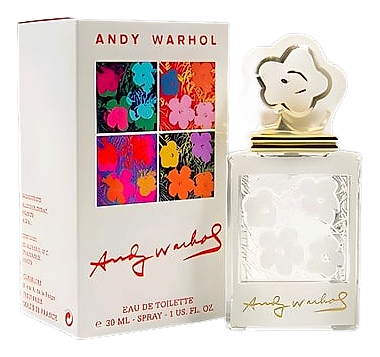
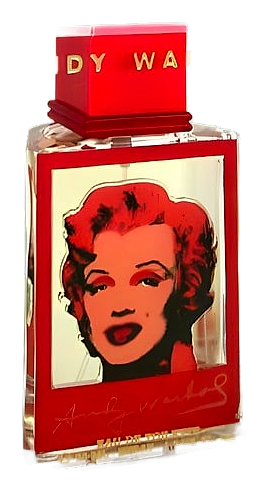
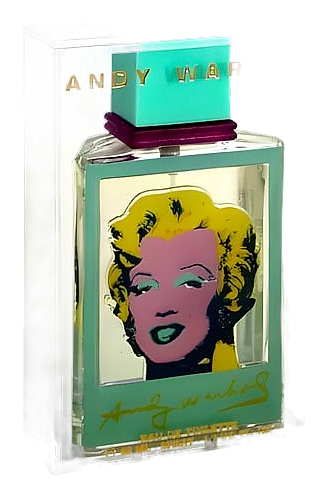
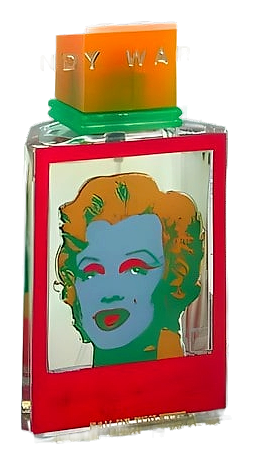
Andy WarholWarhol's fragrance line translates the Pop Art icon's obsession with scent into wearable art. Launched in 1999, the collection draws from his documented love of perfume—his belief that wearing one fragrance could document a moment in time. The bottles carry his signature aesthetic, transforming scent into collectible objects that blur commerce and creativity. Each release functions as both perfume and cultural artifact, continuing his lifelong project of elevating the everyday into art.
The Creator
Ilias ErmenidisThe Greek-Turkish nose favors transparent structures built on a solid base of natural absolutes. He reaches for oud, ambergris, and rose de mai, but always layers them with unexpected modifiers—citrus zest, spice tinctures, or a whisper of leather.