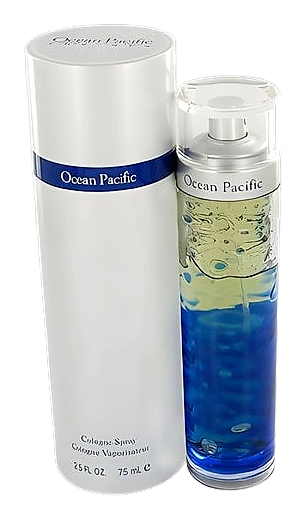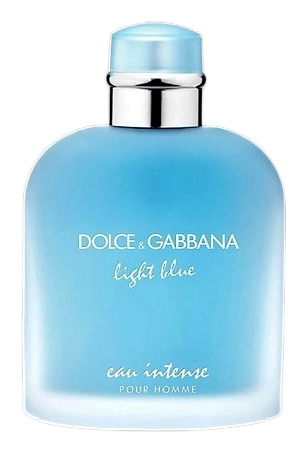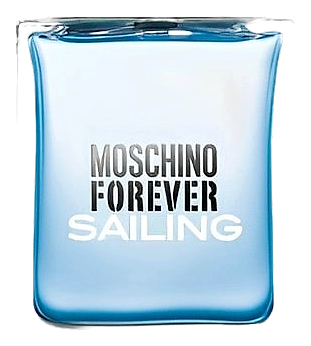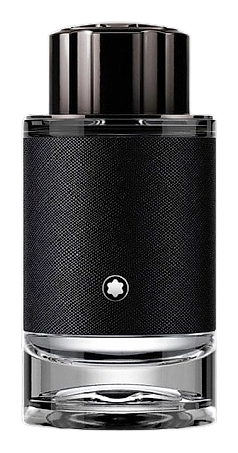
The Story
Why it exists.
The beginning
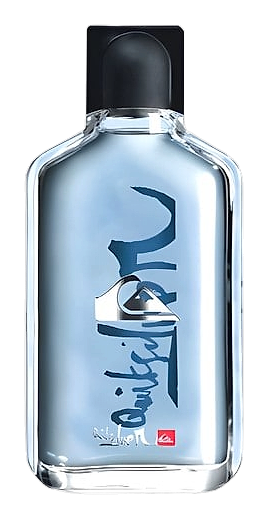
Quiksilver launched its first fragrance in 2008, when the brand was already decades deep in surf culture. The brief was simple: translate the physical sensation of wave-riding into a scent. Not a metaphor for surfing, an actual olfactory translation of ocean, salt, and the coastal stretches where surfers find their best sessions. Antoine Maisondieu worked from that brief, building an aquatic-woody composition that captured the essence of the brand's identity. Jeremy Flores, a Malagasy professional surfer, became the face of the campaign, someone who lived the brand's philosophy in the water every day. The collaboration brought an authentic voice to the project, someone who could speak to the sensory reality of time spent in the ocean rather than the aesthetic of it.
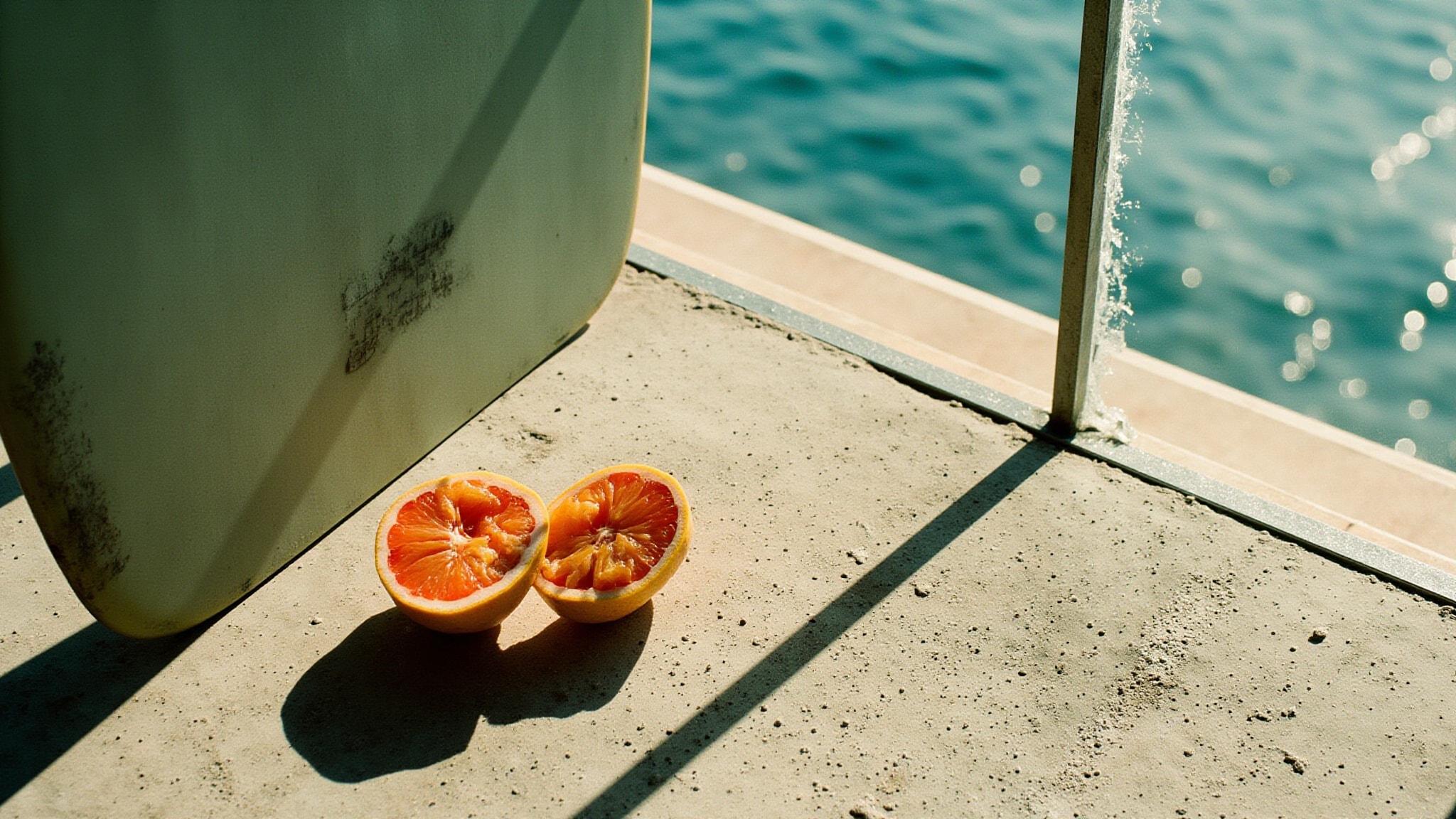
The composition's defining move is its eucalyptus-salt pairing. Eucalyptus brings that clean, almost medicinal clarity, the kind you feel in your sinuses when you breathe deep after a long paddle. Sea salt doesn't just add brine; it gives the fragrance a granular texture, a slight roughness that prevents the whole thing from sliding into generic freshness. The bitter orange and grapefruit keep the opening from being merely pleasant, adding a citrus bite that feels more like adrenaline than decoration. Australian sandalwood in the base anchors everything, adding warmth where most aquatic fragrances stay flat and thin.
The evolution
The opening hits quickly, grapefruit and bitter orange arrive within seconds, citrus-bright and sharp-edged. Within five minutes, the aquatic notes take over, but they're not the soapy marine of every other aquatic fragrance. There's a mineral quality here, almost ozonic, like the air right after a wave breaks. The eucalyptus asserts itself around the fifteen-minute mark, cooling and camphoraceous, stretching across the mid-section like shade on a beach. By the third hour, the base arrives: Australian sandalwood, soft and warm, with musk providing a clean skin-like drydown. The fragrance doesn't overwhelm, settling into a quiet presence that accompanies rather than dominates. On skin, you can expect a clean, unobtrusive character that wears close to the body throughout the day, never demanding attention but consistently present.
Cultural impact
Quiksilver for Men arrived in 2008 as the brand's first fragrance, stepping into the mass-market aquatic category with eucalyptus and Australian sandalwood as distinguishing elements. The fragrance offers an alternative to typical aquatic compositions, incorporating botanical notes that set it apart from many of its contemporaries. This debut scent reflects the brand's surf heritage, translating their decades of ocean culture into a wearable form. The fragrance has remained in production since its launch, speaking to its resonance with those who appreciate its particular character.
The House
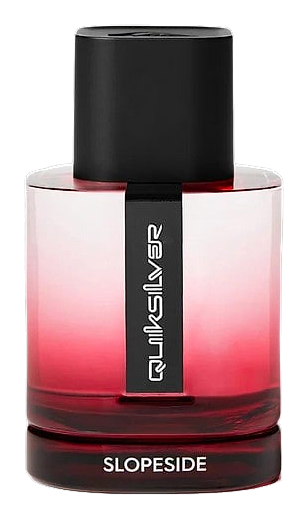
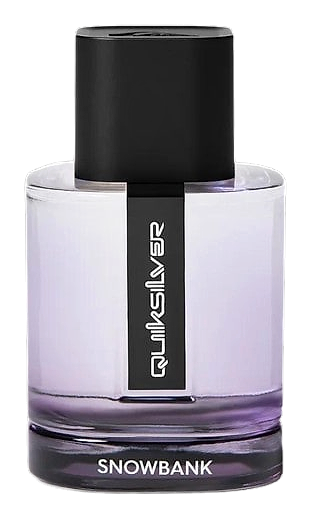
QuiksilverQuiksilver is an Australian board sports brand that originated in 1969, founded by surfers who shared a passion for wave riding and coastal culture. Headquartered in Huntington Beach, California, the company built its identity around surfing before expanding into snowboarding, creating apparel and equipment synonymous with beach and mountain lifestyle. In 2026, Quiksilver entered the fragrance market through a collaboration with Swiss fragrance house Givaudan and International Marketing Holdings (IMH), launching a collection of scents designed to capture the energy of both surf and snow environments. The line includes Beachpoint and Offshore, evoking sun-drenched coastlines, alongside Snowbank and Slopeside, which reference alpine terrain. This marked the brand's most significant fragrance initiative to date, building on earlier fragrance explorations. The collection translates the brand's outdoor sport heritage into olfactory form, offering wearers a sensory connection to ocean and mountain settings.
The Creator
Antoine MaisondieuHis technical signature is an exceptional facility with natural materials and a painterly approach to composition. He builds fragrances in layers, each stratum contributing to an overall impression that feels inevitable yet surprising.