
The Story
Why it exists.
The beginning
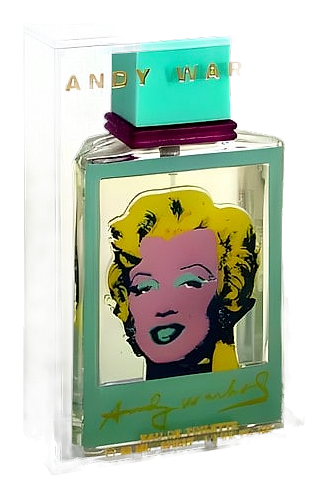
Warhol named Marilyn. Not Marilyn Monroe the person, Marilyn the idea, the silkscreen, the cultural currency that repeated and multiplied until the original was almost secondary to the image. Marilyn Bleu takes that philosophy and translates it into scent. The question wasn't what Monroe smelled like. It was what it meant to wear her, to carry her into a room, to become part of the repetition. Peach and blackcurrant open bright and almost synthetic, the way fame often does. Jasmine and blue rose arrive to soften it. By the drydown, it's intimate and warm, the difference between seeing and knowing someone.
The blue rose is the tell. It's not a note you encounter often, it's engineered, unusual, a rose that refuses to follow the natural path. That structural decision shapes everything. The fruit opens sharp and sweet, the way celebrity does, but the floral heart resists easy nostalgia. The jasmine isn't heady or indolic, it's powdered, slightly waxy, more reminiscent of cosmetics than of gardens. This is a fragrance that thinks about its own construction, even if no one wearing it would guess it. The amber and sandalwood base grounds what could have been ephemeral into something that stays close and personal for hours.
The evolution
The opening lasts longer than expected, peach and blackcurrant holding their synthetic brightness for a full hour before the jasmine and blue rose push through. The handoff isn't dramatic. It's the difference between hearing a name and knowing the person. The powdery quality intensifies as the floral heart settles, becoming almost waxy, like pressed flowers in an old book. Then the amber and sandalwood arrive, warm, soft, no longer projecting but present. By the fourth hour, it's skin-close. By the sixth, a trace. The arc traces a full day, from entrance to exit, documenting a specific period the way Warhol would have wanted.
Cultural impact
Marilyn Bleu exists in an interesting cultural moment. Released in 2001, it arrived at the tail end of celebrity fragrance culture's first wave, before the market became saturated, before every actress and musician launched something. It didn't dominate the category the way some Marilyn-inspired fragrances might have. But what it offers is specificity: a powdery floral that thinks about its own construction, that earned its Warhol attachment not through celebrity association alone but through composition. Wearers who found it tend to remember it, even if it disappeared from counters years ago.