
The Story
Why it exists.
The beginning
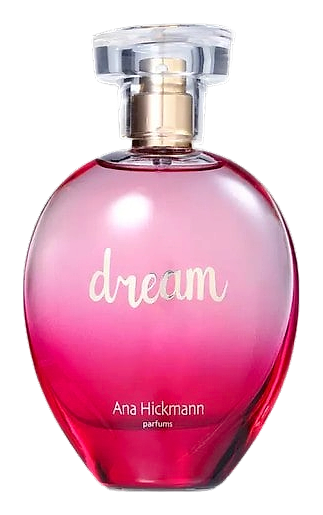
Dream by Ana Hickmann carries a name that suggests something beyond the obvious. Not power, not seduction, but the quiet optimism of wanting something more. The fruit-forward brief was crafted with intention, creating a bright and uncomplicated sensory experience that feels like a good mood rather than a bold statement. It speaks to women who want their fragrance to lift the spirit without demanding attention.
What makes Dream structurally interesting is the gap between its top and base. Five fruity notes open the composition, blackcurrant, kiwi, lychee, raspberry, strawberry, a concentrated burst that reads almost confectionery. But the heart introduces something unexpected: davana and osmanthus alongside familiar florals like freesia and jasmine. Davana is a Artemisia relative with a fruity, slightly woody quality that bridges the tropical opening to the amber and caramel base. It keeps the composition from feeling like two separate fragrances stacked on top of each other. The cedar and musk in the base do quiet structural work, adding body without demanding attention.
The evolution
The opening hits immediately, a wave of berry sweetness that feels like biting into a fruit salad someone made just for you. Kiwi and strawberry lead, with lychee adding that slight floral edge that keeps tropical notes from smelling cheap. Around the 20-minute mark, the florals begin their slow takeover. Freesia arrives first, then jasmine, and suddenly the sweetness has somewhere to go. It becomes less fruit-punch, more petals-in-glycerin. The drydown is where Dream earns its name. Caramel and vanilla settle close to the skin, with cedar providing just enough structure to keep it from cloying. Musk threads through everything, warm and skin-like. The fragrance lingers pleasantly throughout the day, wrapping the wearer in a soft, comforting embrace that feels intimate rather than overwhelming.
Cultural impact
Dream arrived at a time when mass-market fragrances were bringing designer sensibility to wider audiences. It occupied a clear space in the market, offering everyday elegance that felt aspirational without being out of reach. The fragrance distinguished itself through its commitment to the tropical-fruity category, a choice that set it apart as many competing brands were shifting their focus toward gourmand compositions. Dream felt seasonal without being confined to any single time of year, giving it versatility that appealed to those seeking a fragrance adaptable to different moments and moods.