
The Story
Why it exists.
The beginning
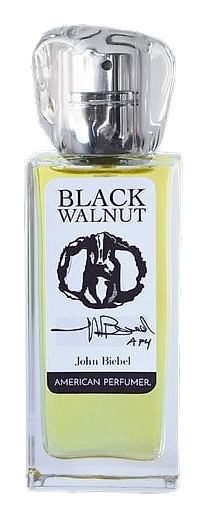
Harry Frémont built Black Walnut in 2006 for Banana Republic, a brand that had spent a decade translating its California-bred travel aesthetic into scent. The brief was simple: warmth without theatrics. Cognac as an opening note was unusual for the era, most masculine fragrances opened with citrus or aquatic accords, but Frémont saw something in the spirit's amber sweetness that felt right for the brand's understated identity. Tobacco and cedar followed naturally, a combination that grounded the fragrance without making it heavy.
The pyramid is lean, three notes, no filler. Cognac up top brings a boozy warmth that reads as both sophisticated and approachable. Tobacco in the heart gives it that dry, slightly smoky quality that evokes late nights and leather chairs. Cedarwood in the base is the workhorse: reliable, woody, with a faint resinous quality that keeps the drydown from going flat. It's a composition that trusts restraint.
The evolution
The opening hits bright and warm, cognac's sweetness takes center stage for the first 15 minutes, slightly boozy, slightly creamy. Then the tobacco arrives, shifting the register from spirit to smoke. The hand-off is smooth. By the second hour, the cedarwood has established itself, and the fragrance settles into a warm, woody intimate trail that lasts 4-6 hours on most skin types. The drydown is clean, slightly sweet, and stays close. What surprises is how the cognac doesn't disappear, it deepens, merges with the tobacco's smoke, and becomes something quieter but more interesting. That's the tell. That's the part worth waiting for.
Cultural impact
Black Walnut won the FiFi Award for Fragrance of the Year Men's Private Label/Direct Sell in 2007, a recognition that positioned it as a strong value alternative to higher-priced competitors. The fragrance has since developed a dedicated following among wearers who prioritize warmth and restraint over projection and sillage.