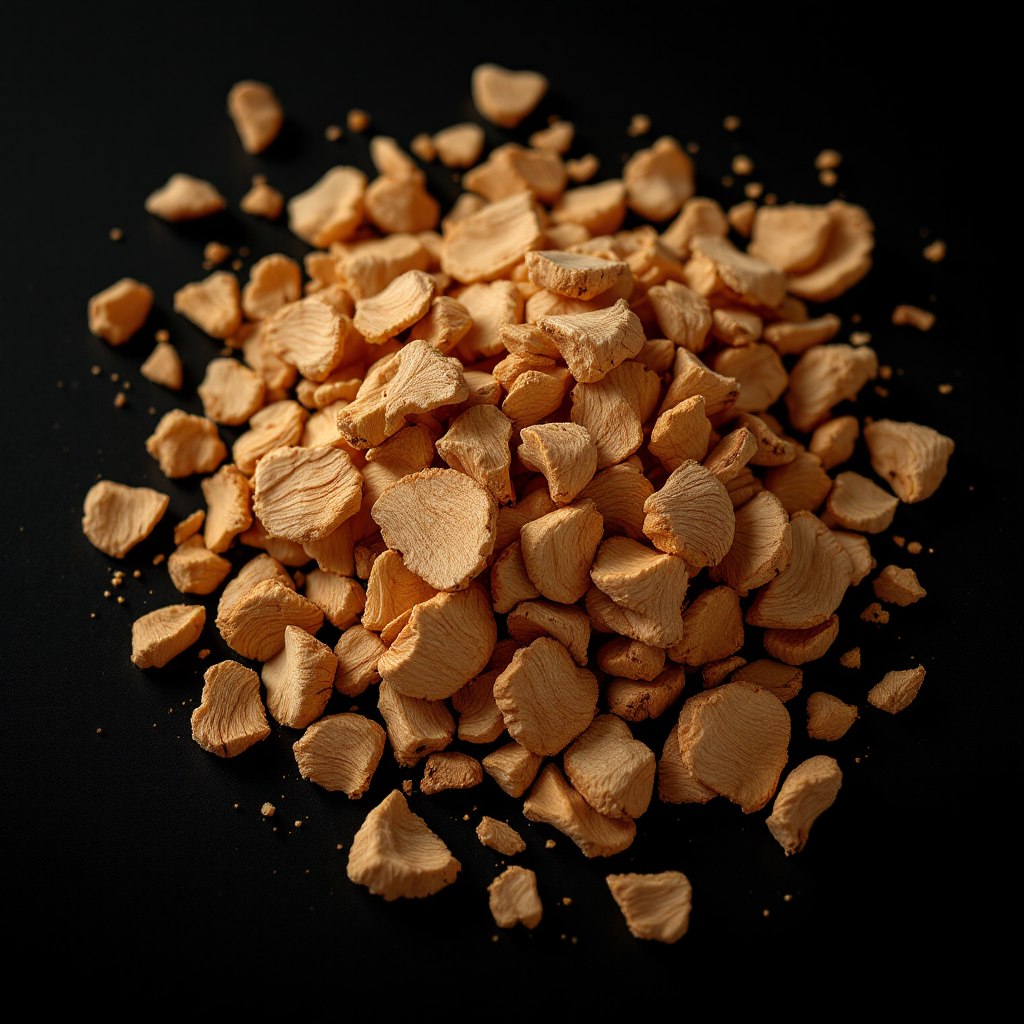
Eastern Black Walnut
Eastern Black Walnut brings a bold, earthy intensity to fragrance that no common walnut can match. The Juglans nigra husk delivers a rich, nutty warmth with a distinctly leathery, almost medicinal depth that sits in the base of compositions like a quiet anchor. For perfumers seeking unconventional natural materials, this American native offers something genuinely rare.
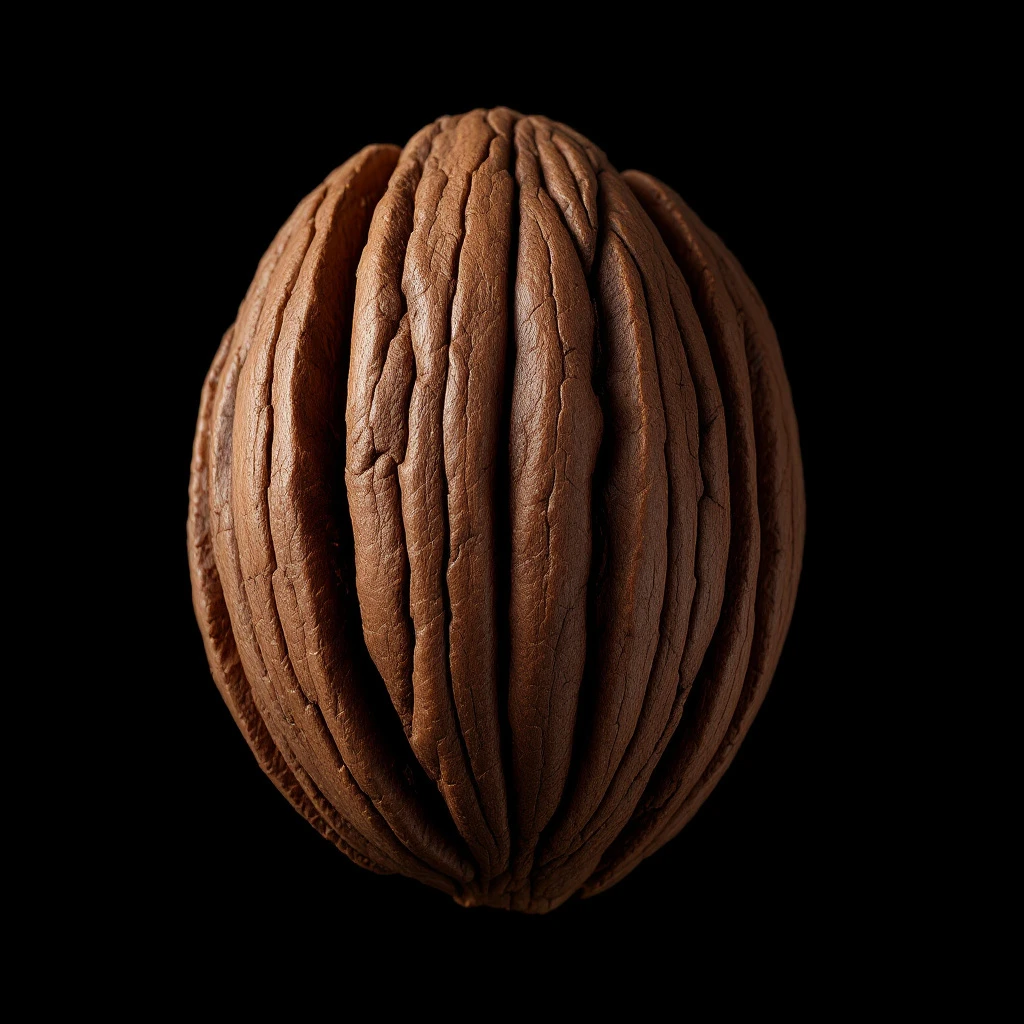
Character
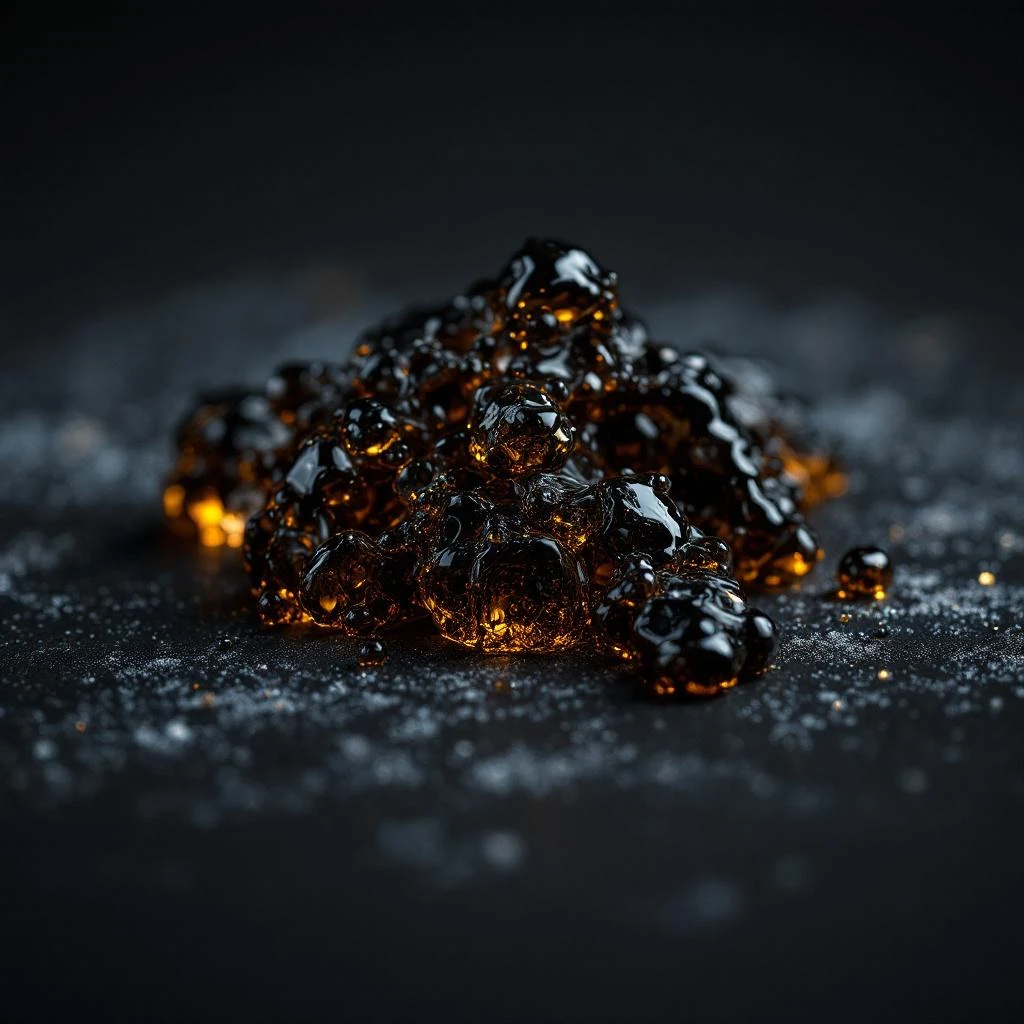
How it smells
The audacious American walnut that perfumery barely knows.
The Latin name Juglans nigra translates to 'acorn of Jupiter,' reflecting how early botanists revered this tree.





Origin
United States
Black walnut holds deep significance in North American indigenous cultures, where tribes used the nuts, hulls, and bark for food, medicine, and dye. The tree's Latin name, Juglans nigra, derives from 'jovis' (of Jupiter) and 'glans' (acorn), a nod to classical botanists who saw divine stature in the species. Early American settlers relied heavily on black walnuts as a staple food source, developing distinct regional practices around hulling and curing.
Despite this deep cultural roots, perfumery adopted the material only recently, driven by a broader movement toward non-traditional naturals. Today, black walnut remains an underutilized ingredient in fine fragrance, prized by a small number of independent perfumers who source it from sustainable wild-harvesting operations in the Appalachian region and Midwest.
Wears it best
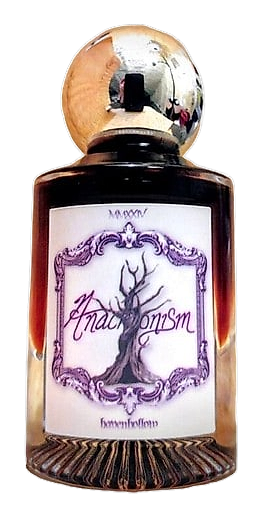
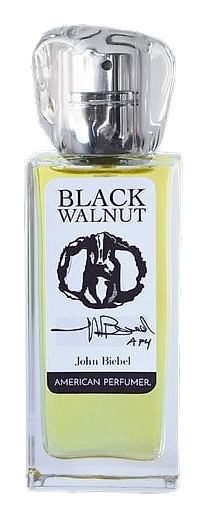
Fragrances featuring Eastern Black Walnut
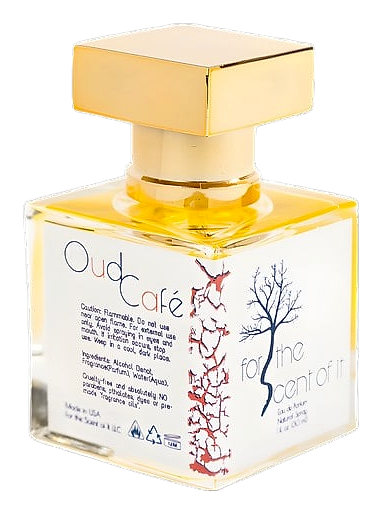
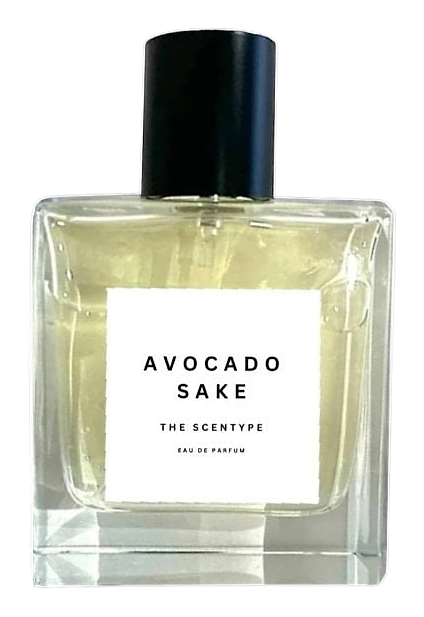
Brands
Brands known for Eastern Black Walnut
Good to know
Questions, answered
The essentials on Eastern Black Walnut in perfumery: how it smells, where it comes from, and how it behaves on skin.
What does Eastern Black Walnut smell like in fragrance?
Black walnut smells like a bold, amplified walnut with earthy, slightly bitter depth. The husk adds a leathery, almost medicinal facet that distinguishes it from the gentler English walnut. It reads as warm, nutty, and grounded in the base of a composition.
Is black walnut a common perfumery ingredient?
No. Despite its rich aroma, black walnut remains non-traditional in fine fragrance. Supply challenges and seasonal harvest windows limit its use to specialty and independent perfumers.
What fragrances feature black walnut?
Black walnut appears primarily in artisanal and indie fragrances, often positioned as a unique selling point. It works particularly well in warm oriental and woody compositions where its earthy depth anchors lighter top notes.
Where does black walnut grow?
Juglans nigra is native to eastern North America, ranging from Massachusetts south to Florida and west to the Great Lakes region. The tree thrives in rich, loamy soils in riparian corridors and mixed hardwood forests.
What part of the black walnut is used in perfumery?
The thick green hull surrounding the nut is the primary material. Perfumers harvest it in early autumn before the hull darkens and the aromatic profile shifts toward decomposition notes.
How does black walnut combine with other notes?
Black walnut pairs naturally with vanilla, tonka, and benzoin in warm oriental structures. In woody compositions, it complements vetiver, cedarwood, and sandalwood. Its earthy character also harmonizes with tobacco and leather accords.
What is the shelf life of black walnut extract?
Properly stored black walnut extract retains its aromatic profile for 2-3 years. The material is sensitive to heat and light, so dark glass storage at stable temperature extends shelf life significantly.
Are there sustainable sourcing concerns with black walnut?
Wild-harvesting of black walnut hulls can be sustainable when managed carefully. The tree is abundant across its native range, but responsible sourcing requires attention to local population health and harvest rotation practices.