The Story
Why it exists.
The beginning
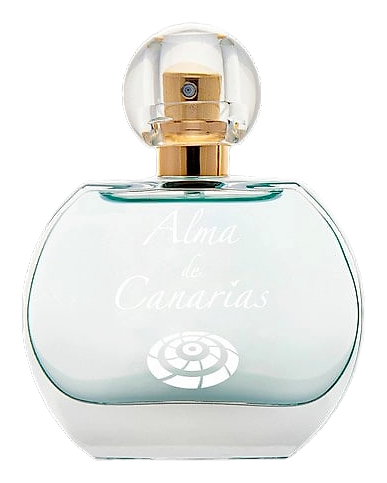
Dulce comes from Alma de Canarias, a fragrance house that translates the sensory character of the Canary Islands into perfume. The house treats each composition as a fragment of place, drawing on notes of the sea, the light, and the calm of the islands. Dulce translates that thinking into something tender rather than elemental: a study in sweetness shaped by Atlantic air. The name itself, Spanish for sweet, signals the intention up front. No subtext, no irony. The brand built the composition around honeydew melon, broom, and citruses in the opening, layered jasmine, violet, and mimosa at the heart, then grounded it in wood. The result reads less like a tropical fantasy and more like a quiet afternoon in a garden on the coast, where the fruit is ripe and the breeze keeps things cool.
What makes the pyramid worth a second look is the restraint in the base. Dulce holds back where it could easily have leaned further into sugar. The woody note in the base anchors the composition without darkening it, giving the sweetness something solid to rest on rather than letting it float away. Meanwhile the broom in the opening gives the melon a faintly herbal, almost hay-like bitterness that keeps the citruses from going flat or one-dimensional. The floral heart, jasmine layered against violet and mimosa, carries a powdery softness that feels deliberate, almost composed.
The evolution
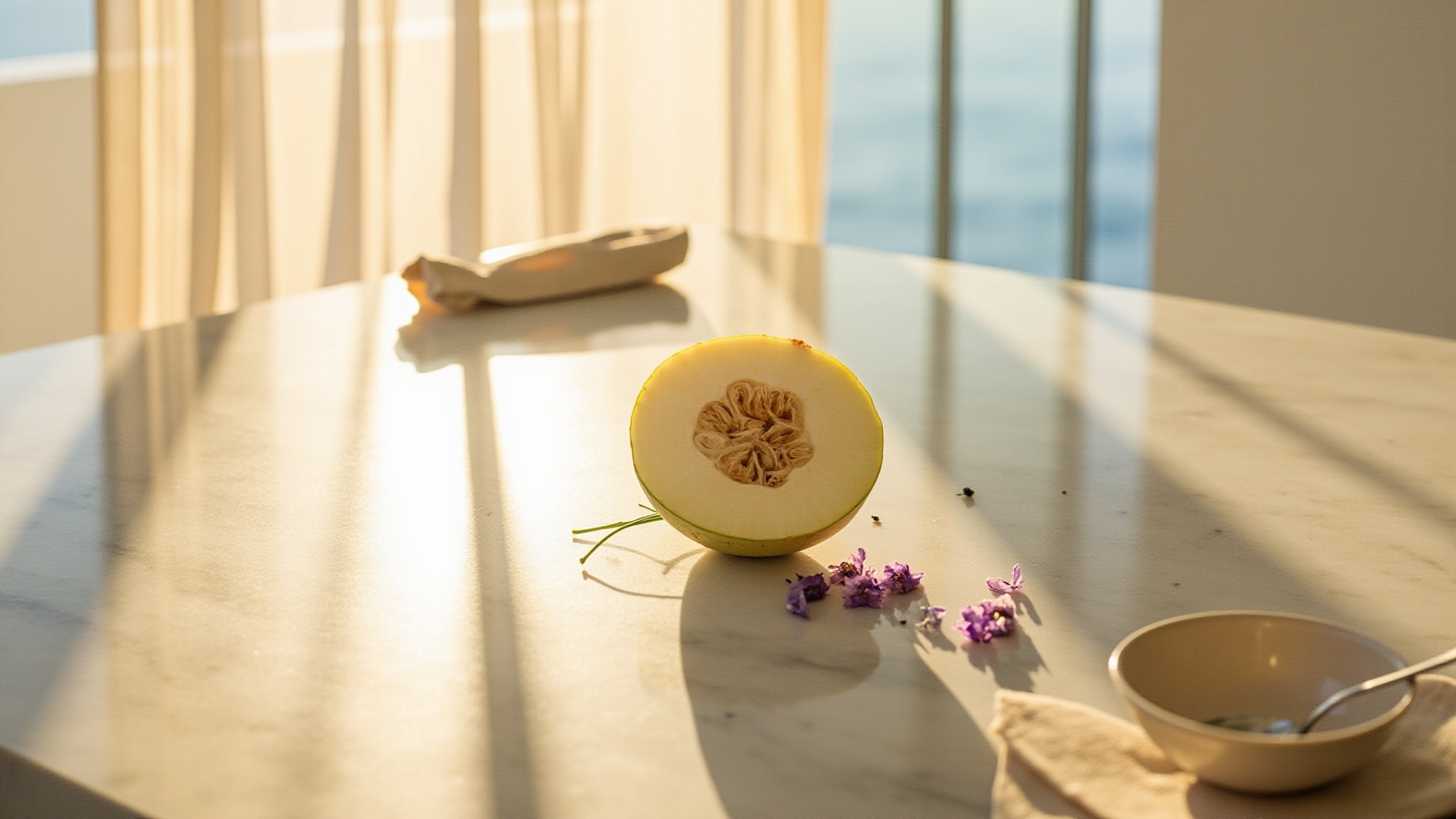
The first ten minutes are pure melon. Not the candied version, the real one, with a cool watery sweetness that sits close to the skin. Citruses flicker in and out at the edges, and broom adds a green thread underneath, almost like the stem still attached to the fruit. Then the flowers begin to take over. Jasmine arrives with a creamy softness, violet comes in powdery, almost cosmetic. Mimosa rounds it out with a warm golden quality that lifts the whole accord. The composition is distinctly floral now, not fruity, but the fruit hasn't left. It hides inside the florals, lending the whole heart a dewy translucence that keeps the sweetness from going heavy. The drydown is the quietest part of the ride. Wood comes forward, and it's warm rather than smoky, more like clean wood than anything resinous or dense. The florals fade but don't vanish entirely.
Cultural impact
Within the small catalog of Alma de Canarias, Dulce occupies the sweeter, more floral end of the house's range. Where other compositions from the brand lean marine or citrus-herbal, Dulce is the one that turns toward softness. Its reference points sit closer to classic perfumery than to contemporary niche, drawing on floral structures that have been part of the language of fragrance for generations. The mimosa and violet pairing gives it a powdery, slightly retro character without ever tipping into costume.