



Heritage
A house, in its own words
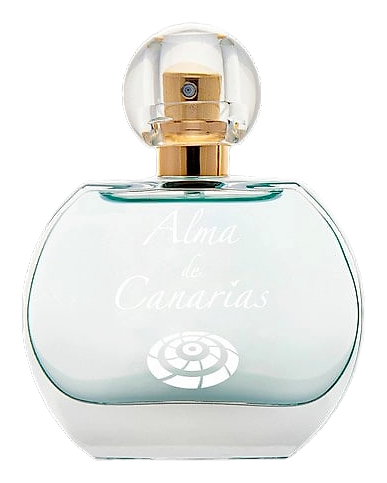
Alma de Canarias emerged in 2018 as a small-scale creative project in Lanzarote, one of the outermost islands of the Canary archipelago. The brand entered the fragrance database with its first recorded compositions in that same year, including Aurora and Summer, signaling a debut built around seasonal and elemental concepts rather than a single signature scent. Its name, which translates roughly to "Soul of the Canary Islands," reflects an intent to bottle the sensory character of the islands rather than to compete with continental perfume traditions. By the early 2020s, the house had expanded its catalog to roughly six creations catalogued through 2023, according to independent fragrance archives. Its commercial base is anchored in Tías, a municipality on the southern coast of Lanzarote known for its proximity to volcanic terrain and the Timanfaya area, a geography that informs the brand's visual and olfactory identity. While the label remains compact compared to long-established European perfume houses, its regional specificity and consistent release rhythm have earned it a modest but identifiable presence on niche fragrance platforms like Parfumo, where community members have begun documenting and rating its output. The house operates on the premise that a place can be a complete creative brief. Rather than chasing global trends or building a house around a single iconic accord, Alma de Canarias treats each fragrance as a fragment of the Canary Islands: its light, its wind, its volcanic minerality, its coastal vegetation. This geographical anchoring shapes every stage of development, from the selection of raw materials to the naming of compositions like Oceano and Fresca, which read as direct translations of environmental impressions into scent. The brand also extends this philosophy beyond personal fragrance into home ambience, with products like Canary Wind offering an interior interpretation of island air. Artisanal production is central to the identity, with the house emphasizing handmade craftsmanship on Lanzarote rather than outsourcing to industrial facilities elsewhere. The result is a catalog that reads less like a fashion-driven lineup and more like a series of place portraits, each composition capturing a facet of archipelago life rather than a market category.