The Story
Why it exists.
The beginning
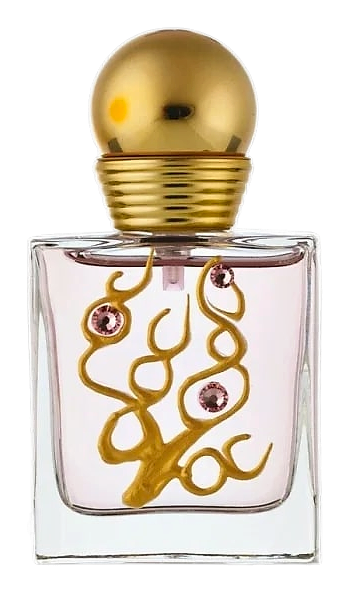
Wicked Berry exists because someone in the room said 'berry' and meant it. Not a whisper of berry. Not a hint. The full name is the brief: a fragrance that wears its character openly, leans into the dark fruit it promises, and refuses to apologize for being exactly what it is. The perfumer's challenge was translating 'wicked' into chemistry without adding spice or leather or anything that would undercut the sweetness. The answer lived in the berry basket itself, blackberry, raspberry, blackcurrant, stacked against a citrus flash that opens bright and refuses to fade entirely. Lilac, rose, and freesia soften the center. Vanilla and white musk make it wearable rather than overwhelming. Wicked Berry was one of five fragrances launched simultaneously by Alice & Peter in 2012, arriving as part of a collection designed to smell like its names suggest. The brief wasn't subtlety, it was recognition.
The clever move in Wicked Berry's construction is the citrus opening. Four notes, bergamot, lime, lemon, orange, should compete. They don't. Instead, they layer into a single bright flash, a controlled burst of citrus that announces the fragrance before the berries arrive to complicate things. This opening-handoff is where most fruity florals stumble: the citrus either lingers too long, muddying the heart, or disappears too quickly, leaving a hole. Here, the transition happens naturally over the first thirty to forty-five minutes, the citrus fading as blackberry and raspberry move center stage.
The evolution
The opening is all citrus, bergamot, lime, lemon, orange, a sharp bright flash that announces Wicked Berry without apology. It reads clean, almost green, the citrus functioning like the opening bars of a pop song: immediately engaging, designed to hold attention. The berries arrive within minutes, but they don't overwhelm immediately. Blackcurrant is the first to establish itself, tart and dark, before raspberry and blackberry join to sweeten the deal. Lilac, rose, and freesia arrive in the heart, adding a powdery floral layer that softens the berry intensity without diluting it. This is the longest phase of the fragrance, two to three hours of fruity sweetness anchored by flowers. The drydown is where sandalwood and amber earn their place. Vanilla adds sweetness, white musk adds body, and the berries begin their slow exit, leaving behind a warm, soft residue that reads more as memory than as scent. On fabric, the citrus opening can last longer, and the drydown may extend another hour beyond what skin delivers.
Cultural impact
Wicked Berry occupies a specific niche: the approachable fruity floral with enough sweetness to be instantly likeable and enough berry depth to reward attention. The 2012 launch placed it within a wave of confectionery-inspired fragrances that emphasized emotional recognition over olfactory complexity, scents designed to be identified on first smell rather than discovered over time. It's the kind of fragrance that works as an introduction to fragrance, but also as a reliable comfort spray for someone who already knows what they like. Moderate longevity keeps it from overwhelming, and moderate sillage means it stays personal rather than announced.
The House
Alice & PeterAlice & Peter is a fragrance collection that treats perfume as chapter in an ongoing story. Created by Gerald Ghislain and Magali Sénéquier, the same duo behind the narrative-driven Histoires de Parfums, this line draws its cast of characters from whimsical literary sources, with its name directly referencing the young protagonists of J.M. Barrie's Peter Pan. The brand operates at the playful end of the fragrance spectrum, producing scents that smell like their names suggest: fruit-forward, confectionery-inspired compositions packaged in collectible bottles that double as decorative objects. Each fragrance presents itself as a character within a shared fantastical universe, inviting wearers to choose their scent based on the story they want to inhabit rather than traditional olfactory families. The line launched in 2012 with five distinct offerings, establishing a formula of evocative naming, childlike sweetness, and visual presentation that treats fragrance as a collector's category.
The Creator
Magali SenequierSenequier gravitates toward warm, enveloping constructions with a particular mastery of ambery and spicy dimensions. Her work on Ambre 114 showcases an ability to balance resinous warmth with aromatic freshness, using ingredients like thyme as bridges between different fragran…