The Story
Why it exists.
The beginning
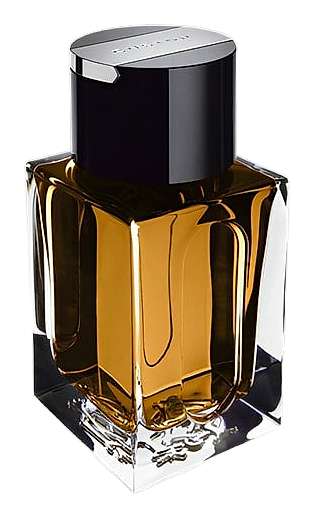
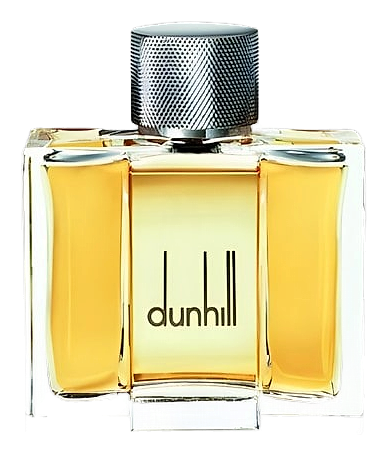
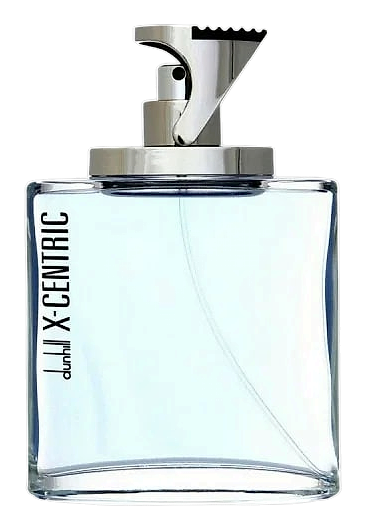
X-centric arrived in 2001, designed by Maurice Roucel and Frank Voelkl. The name signals a departure, an X marks the spot where the expected path ends. Roucel and Voelkl built this around a tension: fresh, almost sharp citrus and spice at the opening, then warm woody depth as it settles. The brief wasn't about power or projection. It was about a scent that knew its place, confident enough to last, restrained enough to never embarrass you in a closed room.
The green notes and grapefruit give the opening an almost botanical sharpness, this isn't a fresh scent that tries to smell like nothing. There's actual material here, genuine complexity in the way the citrus interacts with the nutmeg and clary sage. Then the cedar arrives early in the heart, before the florals fully bloom, and that woodiness becomes the spine of the whole composition. Guaiac wood and sandalwood in the base aren't playing a supporting role, they're the point. The result is a fragrance that smells like it was made by people who knew exactly what they were doing, and who trusted you to notice without being told.
The evolution
The opening hits sharp and aromatic, cypress, grapefruit, a quick burst of cardamom and nutmeg. The green notes keep it from being sweet, the clary sage keeps it from being flat. Then the cedar arrives early, before the florals fully arrive, and the composition shifts toward warmth while the citrus still lingers at the edges. The heart softens everything: freesia and lotus provide a quiet floral sweetness that sits beneath the wood rather than above it. The drydown is where X-centric earns its reputation. Sandalwood and musk settle close to the skin, the guaiac wood adds a faint smoky depth, and the patchouli keeps everything grounded. Six to eight hours on most skin, intimate by design.
Cultural impact
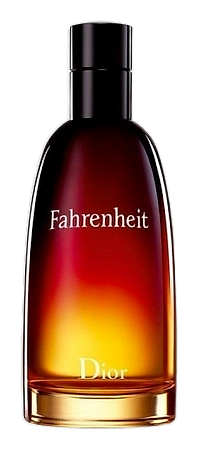
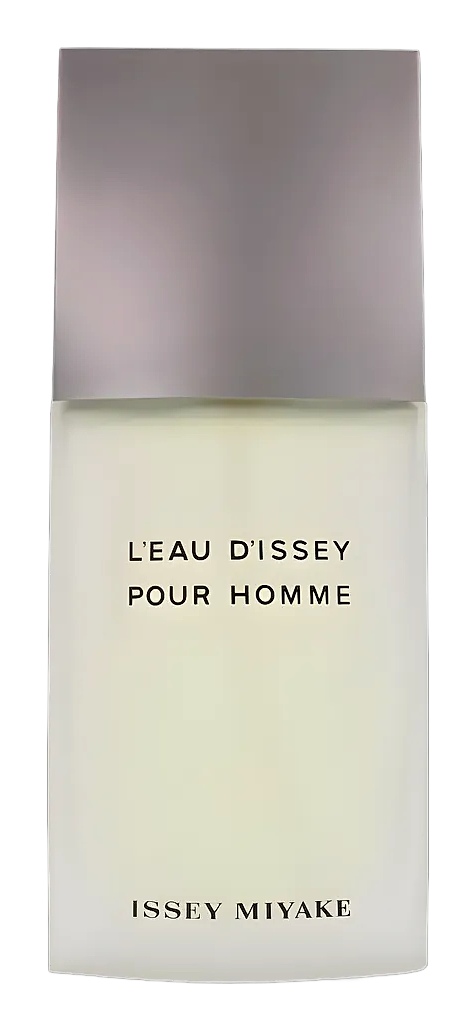
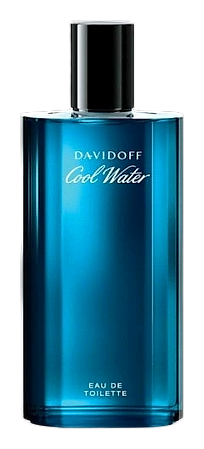
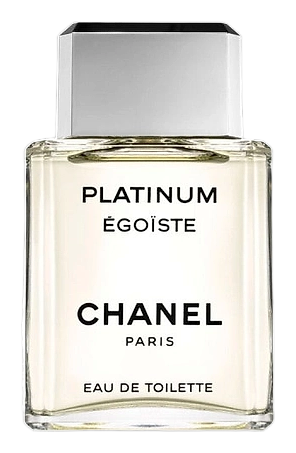
X-centric arrived in 2001, when aquatic fragrances dominated the market. Rather than chasing trends, Dunhill pursued a different path: woody aromatic with strong longevity, moderate sillage, and a price point that delivers genuine value. It appeals to the wearer who values substance over show.
The House
Alfred DunhillAlfred Dunhill began as a British leather and motor‑accessory workshop in 1893, founded by a young Alfred Dunhill in Westminster, London. The house grew into a diversified lifestyle brand, adding a fragrance line in 1934 with the debut of Dunhill for Men. Over the decades the brand has released a steady stream of scents that echo its British roots – English Lavender (1970), Blend 30 (1978), Dunhill Burgundy (1980) and, more recently, Agar Wood (2020) and Mongolian Cashmere (2022). Today Dunhill positions its perfumes as extensions of its heritage of craftsmanship, offering modern gentlemen a quiet confidence that feels both timeless and contemporary.
The Creator
Maurice Roucel & Frank VoelklRoucel's style is often described as opulent and sensual. He has a penchant for white flowers, particularly tuberose, which he often uses in rich, heady compositions.